Local assemblies accused of profiting from illegal mining operations through fee collection

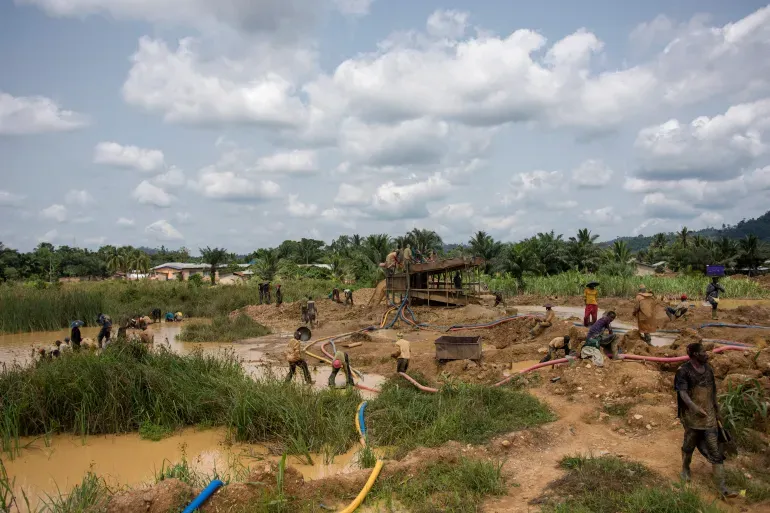
A prominent voice in Ghana's mining sector has raised serious allegations that some local assemblies are collecting fees and levies from illegal small-scale mining operations, known locally as galamsey. The accusation highlights a troubling dynamic in which local government bodies may be complicit in activities that the state officially prohibits.
Ken Ashigbey, citing provisions of Act 995 of the Minerals and Mining Act, pointed out that the legislation carries significant implications for those involved in facilitating illegal mining activities. According to the law, anyone found to be facilitating illegalities in mining operations faces the same culpability as the primary offenders—a provision that potentially exposes local assemblies to serious legal consequences if the allegations prove substantiated.
The compliance problem
This allegation raises critical questions about local governance and institutional accountability. If assemblies are indeed collecting revenue from unauthorised mining sites, it suggests a breakdown in enforcement mechanisms at the district and municipal level. Local government authorities are expected to be guardians of their jurisdictions, including preventing environmental degradation and protecting natural resources. Instead, the accusation indicates some may be treating illegal operations as revenue sources.
The situation is particularly concerning given Ghana's well-documented struggles with galamsey operations. Illegal mining has devastated water bodies, contaminated agricultural land, and displaced communities across the country. When institutions meant to protect public interest become financially dependent on these operations, it creates perverse incentives that actively undermine environmental protection and national mining policy.
Why it matters for Ghana
This development strikes at the heart of Ghana's governance challenges. The country has invested significant resources in combating illegal mining through national task forces and inter-agency coordination. Yet if local assemblies—the first point of contact for citizens and the closest tier of government—are undermining these efforts for short-term revenue, the entire anti-galamsey framework becomes compromised.
For ordinary Ghanaians, the implications are profound. Illegal mining operations destroy farmland that families depend on for food security and livelihoods. They pollute water sources in communities, forcing residents to travel long distances for clean water or resort to contaminated supplies. When local assemblies profit from these activities rather than stopping them, they become complicit in the harm inflicted on their own constituents.
Additionally, this practice represents a misuse of public office. Assemblies have legitimate functions—maintaining roads, supporting health and education facilities, and protecting community resources. Collecting levies from illegal operations diverts focus from these responsibilities and normalises corruption at the grassroots level, where citizens expect their representatives to serve their interests.
The Minerals and Mining Act's provision about facilitating illegalities is a crucial legal safeguard. If enforced rigorously, it could serve as a deterrent against any assembly involvement in galamsey operations. However, enforcement requires political will, investigation capacity, and accountability mechanisms—all areas where Ghana's institutions have historically faced challenges.
Moving forward, this allegation underscores the need for greater transparency in how local assemblies generate and spend revenue, stronger oversight mechanisms, and public awareness campaigns that remind communities of the devastating impacts of illegal mining on their collective future.
Source: 3News

.jpg)
Comments (0)
Be the first to comment.