
Krobo Schoolchildren Take Centre Stage as Third Ngmayem Mock Durbar Draws 14 Schools
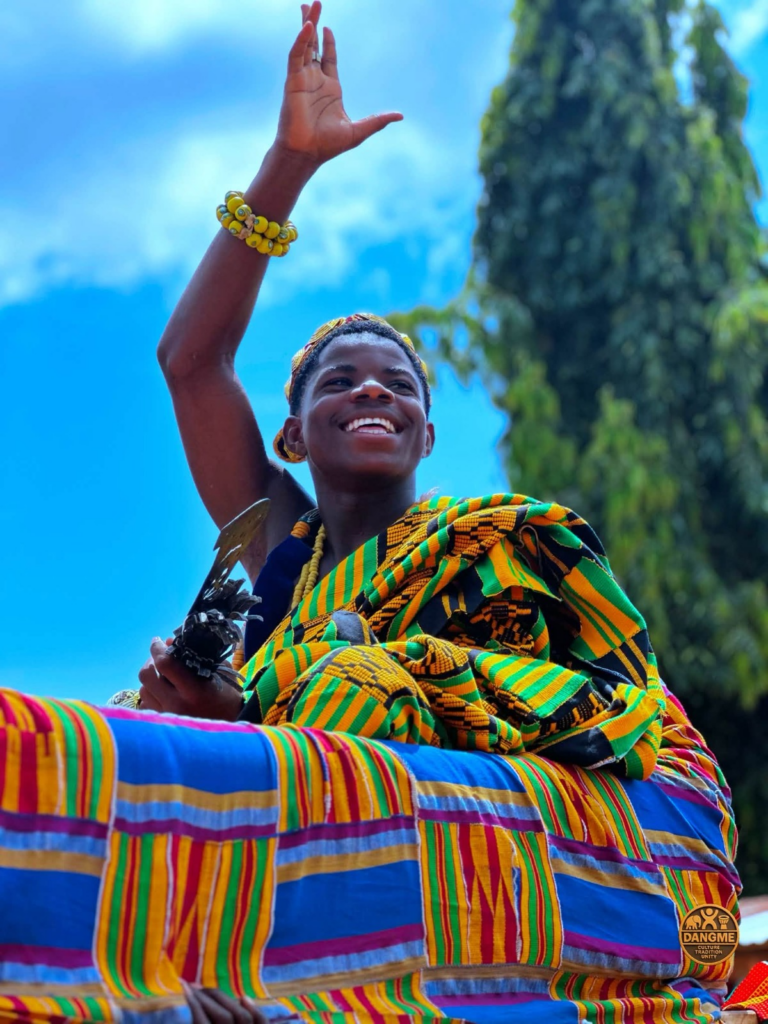

Fourteen basic and senior high schools from across the Krobo area gathered at the Odumase Anglican School Park on Tuesday, 27 October 2026, for the third edition of the Manya Krobo Ngmayem Festival Mock Durbar — a growing initiative that places young people at the very heart of one of the Eastern Region's most cherished cultural celebrations.
Pupils and students mounted palanquins, formed royal entourages and took on the roles of chiefs, queen mothers, linguists and traditional priests, recreating with striking authenticity the ceremonial durbar that is a hallmark of the Ngmayem Festival. The colourful display drew enthusiastic crowds and underscored the event's rapid rise as a fixture on the annual festival calendar.
What is the Ngmayem Festival and why does it matter?
Ngmayem is the annual harvest festival of the Manya Krobo Traditional Area in the Eastern Region of Ghana. Celebrated by the chiefs and people of the Krobo, it is a period of thanksgiving, cultural expression and communal unity. The festival features durbars, traditional music and elaborate displays of Krobo heritage, including the renowned Krobo beadwork and the dipo cultural practices that define the community's identity.
The Mock Durbar was introduced as a structured way to involve schools in the festival beyond passive observation. Each participating school is assigned a specific role — representing a traditional division, settler community, institution or dignitary — mirroring the actual structure of the real durbar. This year's assignments ranged from the Paramountcy of Manya Krobo, represented by Mt. Mary Demonstration JHS, to the Diaspora Community, represented by Pleasant Crystal School in Kpong. Even roles such as the President of the Republic of Ghana and the Diplomatic Corps were filled by students, with VRA School, Akuse and Akro SHTS, Odumase taking on those responsibilities respectively.
Why it matters for Ghana
Ghana's cultural festivals are under increasing pressure from rapid urbanisation, changing youth interests and the dominance of foreign popular culture. Initiatives like the Mock Durbar represent a thoughtful, grassroots response to this challenge — one that does not simply tell young people to value their heritage, but actively involves them in living it.
By assigning pupils roles that reflect real governance structures, including divisions such as Djebiam, Piengua, Akwenor, Suisi and Dorm, as well as communities like the Ewe settler and Zongo Muslim settler groups, the initiative also teaches an important lesson about inclusion and coexistence. The Krobo Traditional Area, like much of Ghana, is home to diverse communities, and the Mock Durbar's representation of that diversity sends a powerful message to the next generation about unity.
Beyond cultural preservation, the exercise builds practical skills. Public speaking, leadership, respect for authority and an understanding of traditional governance are all embedded in the experience of playing out a royal durbar. These are transferable lessons that extend well beyond the festival grounds.
Organisers are optimistic that the initiative can also serve as a tool for tourism promotion, projecting the Ngmayem Festival to wider Ghanaian and international audiences by making it more visible through school participation and media coverage.
A festival tradition finding its feet
In only three editions, the Mock Durbar has established itself as one of the most anticipated events on the Ngmayem calendar. The growth in school participation and the enthusiasm of spectators suggest the initiative has strong community backing. That 14 schools took part this year — representing a broad cross-section of the Krobo area's institutions and communities — speaks to the organisers' ability to build consensus and sustain momentum.
The underlying philosophy is straightforward but powerful: young people who actively participate in their traditions are far more likely to protect and promote those traditions as adults. As Ghana continues to grapple with how best to pass its rich cultural inheritance to younger generations, the Manya Krobo Mock Durbar offers a replicable model that other traditional areas across the country may well look to for inspiration.
Source: MyJoyOnline



Comments (0)
Be the first to comment.