Four pupils sharing one desk: Eastern Region schools cry out for furniture as assembly steps in
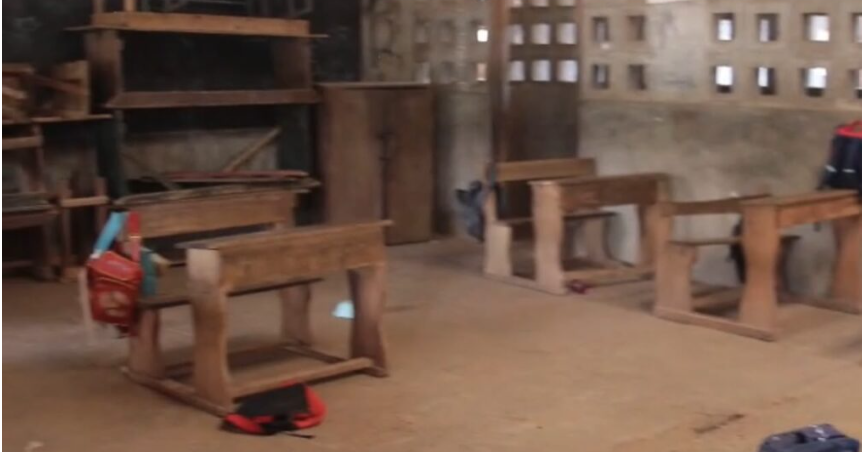
Schools in New Juaben North municipality in the Eastern Region are grappling with a critical shortage of desks and chairs, with some classrooms seeing up to four pupils squeezed onto a single desk. The New Juaben North Education Directorate has launched an urgent appeal for additional furniture, warning that the situation is severely compromising the quality of teaching and learning across the municipality.
Okyere Boateng Samuel, Head of Planning and Statistics at the Education Directorate, disclosed that the furniture deficit remains a persistent challenge in several schools, creating an environment that hampers effective instruction. "This shortage places undue pressure on both pupils and teachers, making it difficult to establish the conditions necessary for quality education," he explained.
Assembly responds with donation but gap remains
In a bid to address the crisis, the New Juaben North Municipal Assembly recently distributed over 1,000 chairs to schools identified as having the most severe shortages. The initiative follows a government directive requiring Metropolitan, Municipal and District Assemblies to allocate portions of their District Assembly Common Fund towards educational infrastructure improvements.
Municipal Chief Executive Samuel Adongo acknowledged witnessing firsthand the dire conditions in some schools, where he had observed pupils sitting directly on classroom floors due to inadequate furniture. He emphasised that the donated chairs represent a necessary intervention to improve learning conditions, though he recognised that the distribution is only a partial solution to the broader challenge.
Despite welcoming the assembly's intervention, education officials have stressed that significantly more furniture is needed to fully address existing gaps. The Directorate has called on the government, relevant stakeholders, civil society organisations and private entities to contribute additional desks and chairs to ensure every pupil has adequate seating.
Why it matters for Ghana
Ghana's educational system continues to face infrastructure challenges that directly impact learning outcomes, particularly in rural and semi-rural municipalities like New Juaban North. When pupils are forced to share limited resources or sit on floors, concentration suffers, absenteeism increases, and foundational literacy and numeracy skills become harder to acquire. This perpetuates cycles of limited educational attainment that affect long-term economic productivity and social development.
The furniture shortage also reflects broader systemic challenges in Ghana's basic education sector—underfunding of educational infrastructure, delayed government releases, and the heavy reliance on donor support and local assembly resources. While the District Assembly Common Fund directive shows willingness at policy level to address such gaps, implementation remains patchy across regions.
Officials argue that providing adequate furniture is not merely a comfort issue but fundamental to creating an enabling learning environment. Proper seating improves posture, reduces physical strain, and allows teachers to manage classrooms more effectively. In a country where quality basic education is critical to achieving national development targets and preparing a competitive workforce, such deficits undermine broader educational goals.
The distributed chairs will be allocated to schools most severely affected by the shortage, though education stakeholders have made clear that sustained, systematic investment in school furniture and infrastructure remains essential across Ghana's education sector.
Source: MyJoyOnline


Comments (0)
Be the first to comment.