John Boadu urges NPP unity after contentious national officers' elections
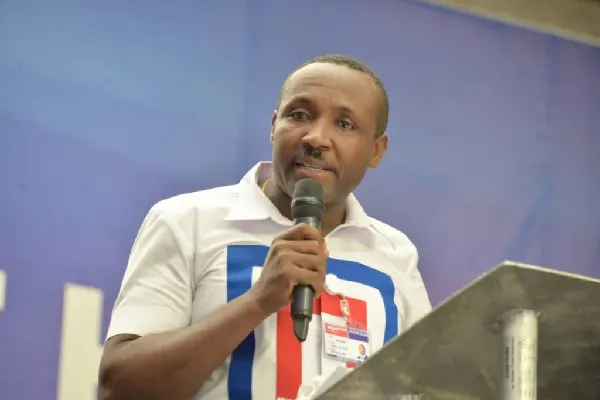
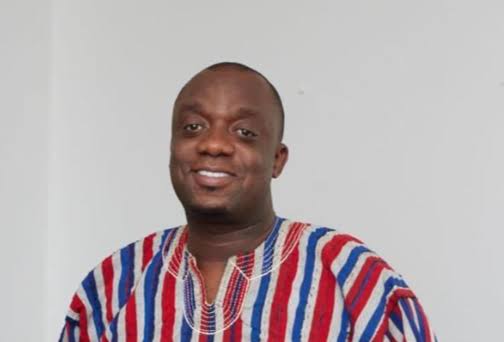
Newly elected New Patriotic Party National Chairman John Boadu has made an urgent appeal for unity and reconciliation within Ghana's governing party following the conclusion of heated national officers' elections. In his message to party members and supporters, Boadu emphasised that internal divisions must give way to collective strength as the NPP prepares for future electoral contests.
The national officers' elections, which determined the party's leadership structure, have traditionally been a source of tension within the NPP, with multiple candidates competing for various positions. Boadu's call for an inclusive approach suggests he recognises the need to heal potential rifts that such contests can create among party faithful.
Building bridges after the contest
Boadu's message centred on the principle that all party members—whether they supported winning or losing candidates—must work together under a single banner. His assertion that there should be "no winners or losers, only one united NPP" reflects a diplomatic strategy aimed at preventing post-election grievances from undermining party cohesion. Such calls are particularly significant in Ghana's two-party political landscape, where internal party unity often determines electoral success.
The newly elected chairman's early emphasis on unity suggests an awareness of how previous internal disputes have occasionally weakened party messaging and campaign effectiveness. By framing the elections as a means to strengthen collective resolve rather than crowning victors and vanquished, Boadu appears to be setting a conciliatory tone for his tenure.
Why it matters for Ghana
The NPP's internal stability has direct implications for Ghana's political environment. As the ruling party, divisions within its ranks can affect governance effectiveness, policy implementation, and public confidence in government. A fractured ruling party may struggle to present a united front on critical national issues, from economic management to infrastructure development.
Additionally, the health of Ghana's political parties—whether NPP or opposition NDC—shapes the quality of democratic competition. When internal party elections are conducted and resolved without lasting rancour, it strengthens democratic norms and demonstrates mature political culture to citizens. Conversely, unresolved tensions can spill into public discourse, creating unnecessary polarisation.
For Ghanaians generally, a cohesive NPP leadership that focuses on governance rather than internal feuds means better attention to public service delivery, economic policy, and national development priorities. The party's ability to move beyond election cycles and focus on unified objectives affects citizens' daily lives through policy consistency and effective administration.
Looking forward
Boadu's leadership will be tested by his ability to translate this unity rhetoric into concrete action—ensuring that disappointed candidates and their supporters feel valued and included in the party's direction. This may involve strategic placement of defeated candidates in meaningful party roles and genuine consultation on key decisions.
The broader context is also important: Ghana faces significant economic challenges, and maintaining political stability within the ruling party strengthens the government's capacity to address national concerns effectively. Unity calls from leadership, while common after elections, carry real weight when backed by transparent inclusive processes and genuine engagement with all party factions.
Source: 3News
Comments (0)
Be the first to comment.