John Boadu faces uphill task to heal NPP divisions ahead of 2028 comeback bid
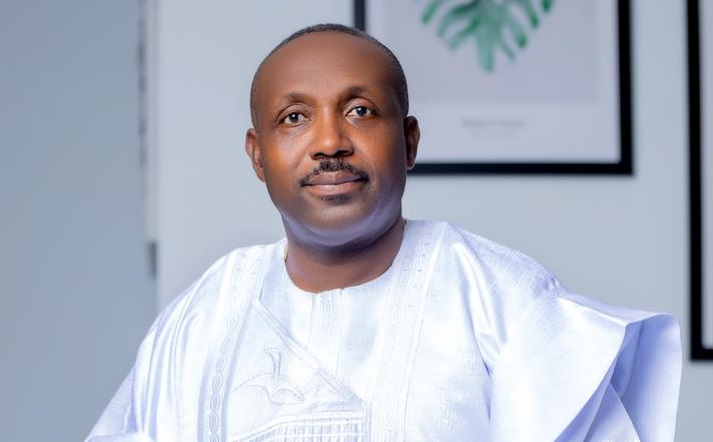
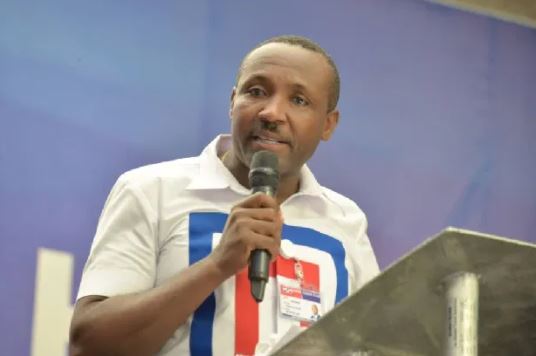
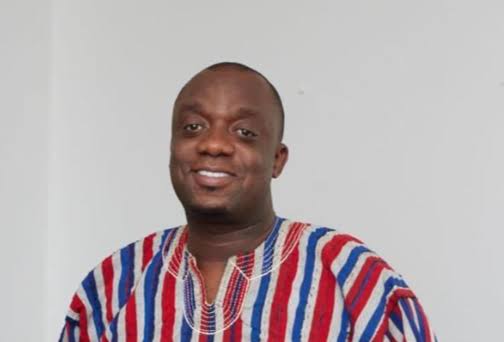
The New Patriotic Party faces a critical rebuilding period as its newly elected National Chairman John Boadu begins his tenure following the party's loss in the 2024 general elections. Former Ghanaian Ambassador to China Edward Boateng has outlined the significant challenges ahead, calling on Boadu to prioritise party unity, organisational strengthening and reconnection with Ghanaian voters ahead of a 2028 comeback attempt.
Boadu won the NPP chairmanship at the party's National Delegates Conference in Kumasi on 3 October, securing 2,888 votes against rival Boakye Kyerematen Agyarko's 2,408 votes. Former National Chairman Paul Afoko received 790 votes, with Sammy Crabbe obtaining 41 votes. The closely contested election reflects ongoing tensions within the party following its defeat to the National Democratic Congress in the 2024 presidential race.
The task ahead: rebuilding from the grassroots
According to Boateng, Boadu's election brings responsibility that extends beyond administrative duties. The new chairman must prioritise rebuilding organisational structures, restoring internal discipline and crucially, reconstructing public confidence in the party among ordinary Ghanaians. Boateng emphasised that this work must span from polling stations at the grassroots level to the national party apparatus.
Boadu brings extensive experience to the role, having served the NPP at virtually every level of its hierarchy. He previously held the positions of National Organiser and Acting General Secretary between 2014 and 2016, giving him detailed knowledge of the party's internal structures, strengths and weaknesses. Boateng highlighted that this grassroots experience would prove essential during the rebuilding process.
Why it matters for Ghana
The NPP's recovery is significant for Ghana's political landscape. As one of the country's two major political parties, the NPP's organisational health directly affects electoral competitiveness and democratic representation. A weakened or fractured opposition party undermines the checks and balances necessary for healthy democratic governance.
Additionally, the party's internal divisions visible in the contested chairmanship election suggest deeper fractures that could affect its ability to mount an effective challenge in 2028. Members who backed different candidates during the 2024 election must be reconciled and reintegrated into party structures. Without genuine unity, the party risks repeating patterns that contributed to its 2024 defeat.
For Ghanaians concerned about democratic competition and government accountability, an NPP that successfully rebuilds and unites would strengthen the country's democratic institutions by ensuring viable alternatives to the current government.
The path to 2028
Boateng called on the NPP leadership to learn deliberately from the 2024 election defeat and undertake a systematic effort to reconnect with grassroots supporters and the broader Ghanaian electorate. This requires what he described as unity, humility, hard work, fresh thinking and a compelling political message capable of resonating with voters.
The rebuilding effort must also address the various traditions and ideological tendencies within the NPP, bringing together members who championed different candidates and approaches. Such internal coherence, Boateng argues, is essential for supporting the party's flagbearer in future elections and returning the NPP to power.
Source: MyJoyOnline
Comments (0)
Be the first to comment.