
Jobless growth claim: Economist warns Ghana's economic figures mask employment crisis
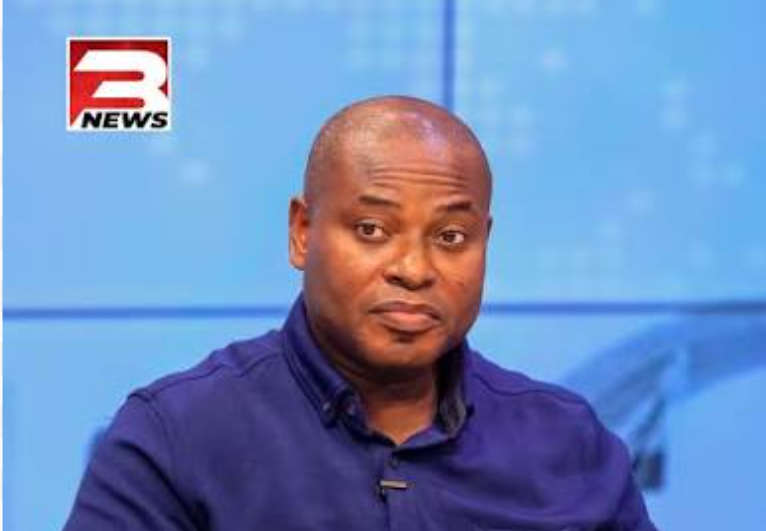

An economist has raised critical concerns about Ghana's economic growth narrative, arguing that the figures being celebrated by government officials in the mid-year budget review do not reflect the harsh employment realities facing ordinary Ghanaians. The assertion highlights a growing disconnect between macroeconomic indicators and the lived experiences of citizens struggling to find work and improve their livelihoods.
The critique centres on what economists term "jobless growth" — a phenomenon where an economy expands in statistical terms without creating sufficient employment opportunities or improving incomes for the majority of the population. This disconnect is particularly concerning in Ghana's context, where unemployment and underemployment remain persistent challenges affecting millions of job seekers, especially young people entering the labour market.
The Gap Between Numbers and Reality
Government officials often cite GDP growth rates and other positive economic indicators when presenting budget reviews and economic performance reports. However, these headline figures can mask deeper structural problems within the economy. When growth fails to generate meaningful employment, the benefits remain concentrated among a small segment of the population, while the majority continue to face economic hardship.
In Ghana's case, sectors that contribute significantly to GDP growth — such as mining, oil, and telecommunications — are often capital-intensive rather than labour-intensive. This means they generate substantial economic output without hiring proportionally larger workforces. Service sectors and small-scale industries, which typically employ more people, have struggled to create jobs at the pace needed to absorb Ghana's growing population.
Why It Matters for Ghana
The jobless growth phenomenon has profound implications for Ghana's social and political stability. Youth unemployment remains one of the most pressing issues facing the nation, with thousands of graduates entering the job market annually to find limited opportunities. When economic growth statistics fail to translate into employment and improved living standards, public confidence in government economic management erodes.
Additionally, jobless growth often exacerbates inequality and can drive migration, as Ghanaians seek opportunities abroad. The phenomenon also reduces government's tax base from income taxes whilst increasing demand for social services, creating fiscal pressures. For policymakers, the warning signals that relying on GDP growth alone as a measure of economic success is insufficient — job creation and inclusive growth must be central to economic strategy.
Moving Forward
The economist's commentary underscores the need for a more nuanced conversation about Ghana's economic performance. Whilst macroeconomic stability and growth are important foundations, they must be accompanied by deliberate policies to stimulate employment in labour-intensive sectors, support small and medium enterprises, and ensure skills development aligns with job market demands.
Without addressing the employment challenge, Ghana risks a situation where impressive economic statistics coexist with widespread joblessness and frustration — a combination that threatens both development progress and social cohesion.
Source: 3News



Comments (0)
Be the first to comment.