
Irregular Periods? Here Are Natural Foods Ghanaian Women Can Use to Regulate Their Cycle
Irregular menstrual cycles affect many Ghanaian women, often causing concern and disrupting daily routines. While the typical menstrual cycle occurs every 28 days, delays of more than a week qualify as oligomenorrhea—a medical condition characterised by infrequent periods. Understanding the causes and exploring natural dietary solutions can help women manage this common health issue more effectively.
What Causes Irregular Periods?
Irregular periods rarely occur without reason. Common triggers include thyroid disorders, chronic stress, frequent travel, and excessive consumption of alcohol or caffeine. Hormonal imbalances, particularly fluctuations in oestrogen levels, also play a significant role. For many Ghanaian women juggling work, family responsibilities and other pressures, stress-induced irregularity is increasingly common. Identifying the underlying cause is crucial before pursuing any treatment plan, whether natural or medical.
Natural Foods That May Help Regulate Your Cycle
Several readily available foods contain properties believed to support menstrual regularity. Ginger, rich in vitamin C and magnesium, has been used traditionally to stimulate uterine contractions and encourage menstruation. Consuming ginger tea daily—sweetened with jaggery for better taste—offers an accessible home remedy many Ghanaian households already stock.
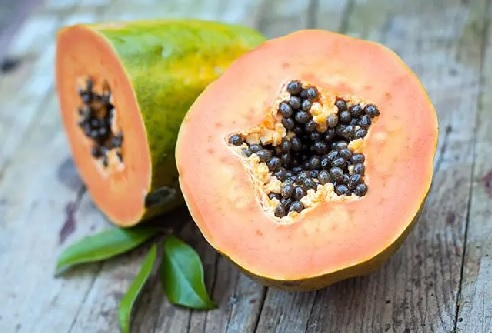
Papaya contains carotene, a compound that may help regulate oestrogen levels and stimulate uterine muscle contractions. This is why expectant mothers are traditionally advised to avoid unripe papaya. Similarly, pineapple contains bromelain, an enzyme that supports the natural shedding of the uterine lining whilst also improving blood flow through enhanced red and white blood cell production.
Parsley, often overlooked as merely a garnish, has been used for centuries as an emmenagogue—a herb that increases blood flow to the pelvic area. Drinking parsley tea or boiled parsley water daily may help. Carom seeds, a common spice in West African kitchens, not only aid digestion but also stimulate the uterus effectively. Their anti-spasmodic properties may also reduce menstrual cramping and associated pain.
Why This Matters for Ghana
For many Ghanaian women, particularly in rural areas with limited access to gynaecological care, natural dietary approaches offer affordable and culturally familiar first-line solutions. However, relying on food alone is insufficient. Consulting a healthcare professional is essential to diagnose the root cause of irregularity and rule out serious underlying conditions such as polycystic ovary syndrome (PCOS), thyroid disease, or hormonal imbalances that may require medical intervention.
The combination of dietary adjustments and professional medical guidance ensures comprehensive care tailored to each woman's unique body and circumstances. Women should not delay seeking medical attention if irregularity persists, as early diagnosis and treatment can prevent complications and improve long-term reproductive health. Empowering Ghanaian women with knowledge about both traditional remedies and modern medicine allows them to make informed decisions about their health.
Source: MyJoyOnline




Comments (0)
Be the first to comment.