
IGP reinforces Nkwanta security with specialised unit and armoured vehicle deployment
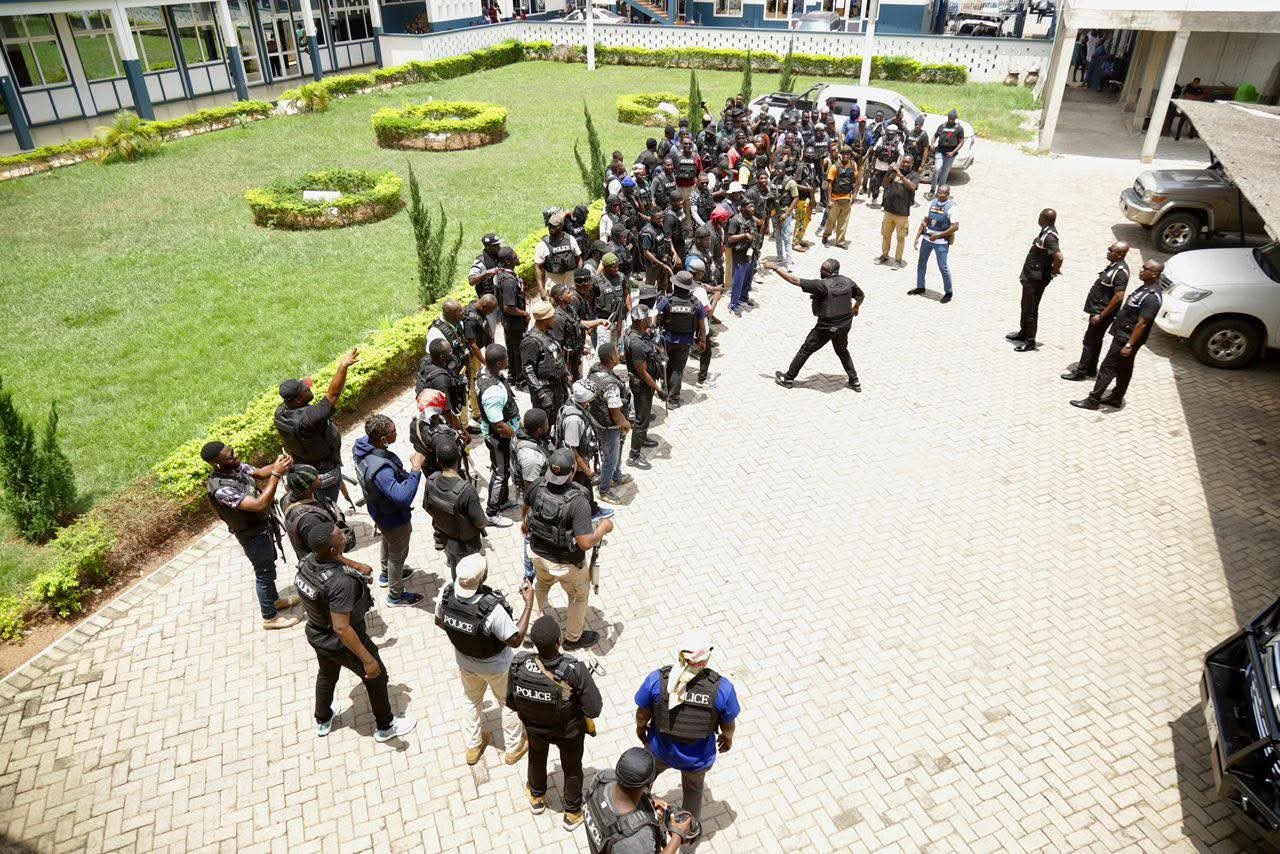

The Inspector-General of Police has moved to strengthen security operations in Nkwanta Municipality by deploying an additional specialised police operations team alongside a multi-purpose armoured vehicle. The reinforcement arrived on October 14, 2026, marking a significant escalation in the security posture within the Oti Region municipality.
The deployment comes as part of broader joint Police-Military operations aimed at maintaining law and order across the municipality. The move signals renewed commitment from Ghana's security agencies to address ongoing challenges in the area and restore public confidence in safety and protection.
Enhanced joint security operations
The specialised team joins existing police deployments already stationed in Nkwanta, creating a more robust security architecture on the ground. The addition of armoured vehicle support indicates the nature of the security challenges the municipality has been facing, typically suggesting concerns around inter-communal tensions, border security issues, or organised crime activities.
Joint Police-Military operations have become an increasingly common feature of Ghana's security response in volatile municipalities, particularly in border regions. The collaboration allows for coordinated responses that draw on the unique capabilities of both services—police expertise in civilian law enforcement and military capacity for more extensive area coverage and tactical operations.
Security officials have stressed that the deployment aims specifically at protecting lives and property whilst safeguarding public safety. The sustained commitment to peace maintenance suggests this is not a temporary measure but part of a longer-term strategy to stabilise the municipality.
Public cooperation critical to success
Authorities have issued a direct appeal to residents, requesting calm and active cooperation with security personnel. The police have particularly emphasised the importance of voluntary information sharing—a critical resource in security operations where community intelligence often proves more valuable than surveillance technology alone.
Citizens have been cautioned against actions that could undermine security operations, a standard warning designed to prevent interference with checkpoints, obstruction of investigations, or sympathisation with criminal elements. The tone of the appeal suggests security agencies view public participation as essential rather than incidental to their mission.
Why it matters for Ghana
Nkwanta Municipality sits in Ghana's Oti Region, an area that has experienced periodic security flashpoints. The municipality's location and historical context make it strategically important for national stability. Security challenges in this region can have ripple effects across the North and potentially influence cross-border relations.
The government's proactive approach—rather than reactive deployment only after major incidents—reflects lessons learned from previous security crises. By strengthening presence before situations escalate, authorities aim to prevent rather than merely respond to conflicts. This preventative posture benefits both residents and security forces themselves.
For citizens in Nkwanta, the deployment offers hope that their security concerns are being taken seriously at the highest levels. However, sustained peace requires more than hardware and personnel—it demands genuine community buy-in and addressing underlying grievances that drive instability. The appeal for public cooperation reflects this understanding.
Residents are advised to remain alert, report suspicious activities through proper channels, and maintain normal routines whilst cooperating with security checkpoints and operations. Such balance between caution and normalcy is essential for both effective policing and community wellbeing.
Source: The Ghanaian Times





Comments (0)
Be the first to comment.