
Ho Summit Demands Ghana Turn Kente's UNESCO Status Into Real Jobs and Tourist Dollars
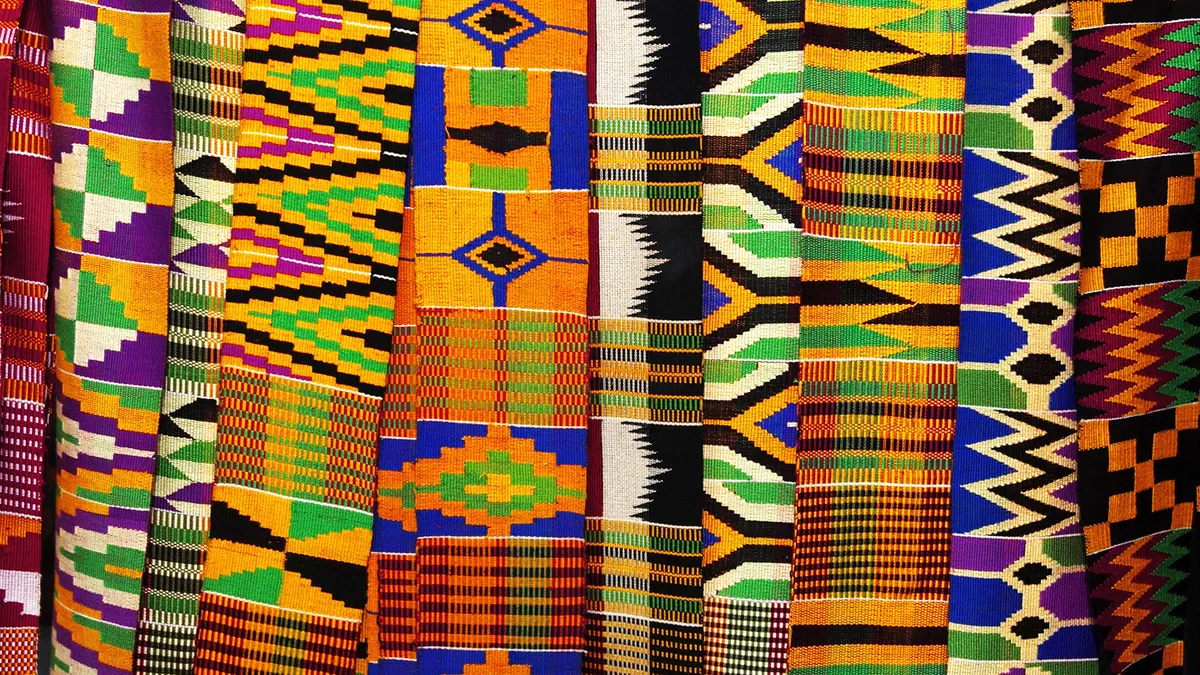

Artisans, industry agencies and cultural advocates have gathered in Ho, the Volta Region capital, to map out a practical strategy for transforming Kente cloth's UNESCO intangible cultural heritage status from a symbolic honour into a genuine engine of employment, tourism revenue and international luxury-fashion demand. The meeting sent a clear message to government: a prestigious listing alone is not enough — it must be backed by policy, funding and coordinated action.
What was agreed in Ho
Participants at the Ho gathering included Kente weavers, tourism officials and representatives from cultural and trade agencies. The central concern raised was that Ghana risks squandering the global attention that comes with UNESCO recognition if no structured plan is put in place to channel it into economic returns. Delegates urged the government to invest in weaver cooperatives, improve infrastructure around weaving communities such as Bonwire in the Ashanti Region and Agotime in the Volta Region, and create dedicated marketing campaigns that position Kente as a world-class luxury textile on a par with other globally recognised heritage fabrics.
Stakeholders also pointed to the growing international appetite for ethically sourced, culturally authentic fashion as a window of opportunity. High-end designers and conscious consumers abroad are increasingly seeking products with traceable heritage stories — precisely the kind of narrative that Kente carries in abundance. The call was made for trade missions and partnerships with fashion houses in Europe, North America and Asia to open new export channels directly benefiting Ghanaian weavers rather than intermediaries.
Why it matters for Ghana
Kente is one of Ghana's most iconic cultural exports, instantly recognisable across the African diaspora and beyond. Its bold geometric patterns and rich symbolism have made it a symbol of African pride, worn at graduations, state ceremonies and cultural celebrations worldwide. UNESCO's inscription of Kente weaving on its list of intangible cultural heritage was widely celebrated, but critics and community leaders have long warned that recognition without resources changes little for the artisans whose hands keep the tradition alive.
The textile and garment sector has the potential to be a significant contributor to Ghana's economy, and heritage crafts like Kente sit at the intersection of culture, tourism and export trade. Ghana's tourism authorities have previously identified craft villages and cultural experiences as key drawcards for visitors, yet investment in these areas has historically lagged behind hospitality infrastructure. With international arrivals gradually recovering and Africa's creative economy gaining global momentum, the timing of this advocacy push is considered particularly important.
There is also a preservation dimension to the economic argument. Many master weavers are elderly, and the craft faces generational challenges in attracting young apprentices who see more immediate financial reward in other sectors. Creating viable, well-paying livelihoods around Kente production would directly address the risk of the skill dying out — making economic development and cultural preservation two sides of the same coin.
The road ahead
For the UNESCO listing to translate into lasting impact, analysts and stakeholders agree that several things must happen in parallel. The government would need to establish or strengthen a dedicated fund for heritage craft development, work with the Ghana Tourism Authority to package Kente weaving villages as must-visit cultural destinations, and engage the Ghana Export Promotion Authority to aggressively market authentic Ghanaian Kente in international luxury markets.
Intellectual property protection is another critical issue — ensuring that the Kente name and its authentic origins are legally safeguarded against cheap imitations produced outside Ghana. Without such protections, the economic benefits of the UNESCO brand could be diluted by counterfeit products flooding global markets.
The Ho meeting is unlikely to be the last word on the matter, but it has set a clear and urgent tone: Ghana has been handed a globally recognised asset, and the responsibility now falls on policymakers and industry leaders to ensure ordinary weavers — not just institutions — feel the benefit.
Source: 3News



Comments (0)
Be the first to comment.