Haitian President's Assassins Extradited to US: What the Trial Means for Haiti's Future
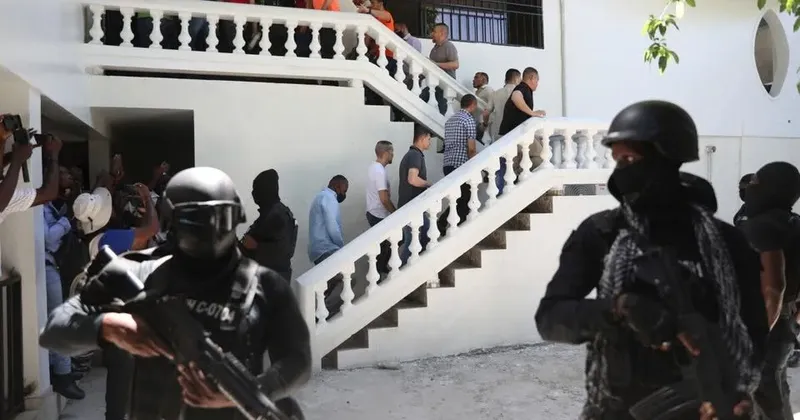
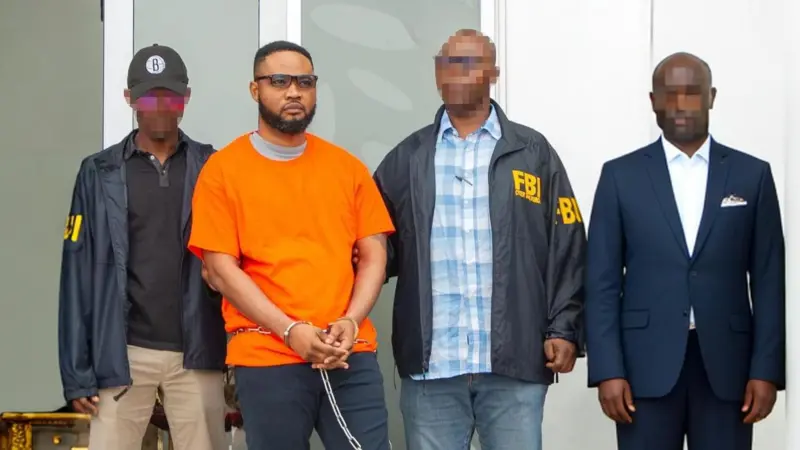
The United States has taken custody of eighteen individuals suspected of involvement in the July 2021 assassination of Haitian President Jovenel Moise, transferring them from Port-au-Prince to Florida where they will face federal charges. The move marks a significant development in one of the Caribbean's most destabilising political murders in recent memory.
Moise's death occurred during a period of severe instability in Haiti, marked by gang violence, kidnappings, and political upheaval. The assassination shocked the region and triggered international concern about Haiti's ability to maintain democratic governance and security. The transfer of suspects to US jurisdiction indicates Washington's determination to prosecute those believed responsible and signals that the investigation has advanced sufficiently for formal charges.
The investigation and charges
The suspects face federal charges in the United States, though the exact nature of the allegations and their individual roles in the plot remain subject to ongoing legal proceedings. The case involves a complex web of alleged conspirators, including former military figures, security personnel, and individuals with international connections. US authorities have been investigating the assassination since it occurred, working with Haitian counterparts to identify and apprehend those involved.
The fact that charges are being pursued in Florida rather than exclusively in Haiti reflects both the international dimensions of the plot and the challenges facing Haiti's judicial system. Gang violence and institutional weakness have severely compromised Haiti's capacity to conduct secure, independent trials domestically.
Why it matters for Ghana and West Africa
Though geographically distant, Haiti's instability carries lessons for Caribbean and African nations grappling with political violence and institutional fragility. The assassination of a sitting president represents a catastrophic failure of state security and constitutional order—concerns that resonate across developing democracies, including several in West Africa.
Ghana, as a relatively stable democracy in the region, has an interest in the outcomes of high-profile political violence cases elsewhere. The successful prosecution of Moise's alleged assassins demonstrates how international cooperation and US federal jurisdiction can provide accountability when domestic systems fail—a model that may be relevant should Ghana or other ECOWAS nations face similar crises.
Additionally, the case highlights the transnational dimensions of political violence and the importance of regional security cooperation. Haiti's experience underscores why strong institutions, transparent governance, and effective security forces are essential to preventing the kind of institutional collapse that preceded Moise's death.
Implications for Haiti
The extradition and prosecution signal that accountability is possible, but they also underscore Haiti's ongoing challenges. A functioning justice system capable of investigating and prosecuting such crimes is foundational to democratic recovery. While US prosecution offers external legitimacy and security, Haiti ultimately needs institutional strengthening to prevent future political violence and restore public confidence in democratic institutions.
The trial will likely reveal details about the plot's organisation, funding, and international connections—information crucial for understanding the forces that destabilised Haiti in 2021. As Haiti continues to struggle with gang violence and political fragmentation, resolving the circumstances of Moise's death represents an important, though incomplete, step towards stability and accountability.
Source: 3News


Comments (0)
Be the first to comment.