Ghana's Security Chief Warns Private Guards Against Political Militia Role, Threatens Licence Revocation
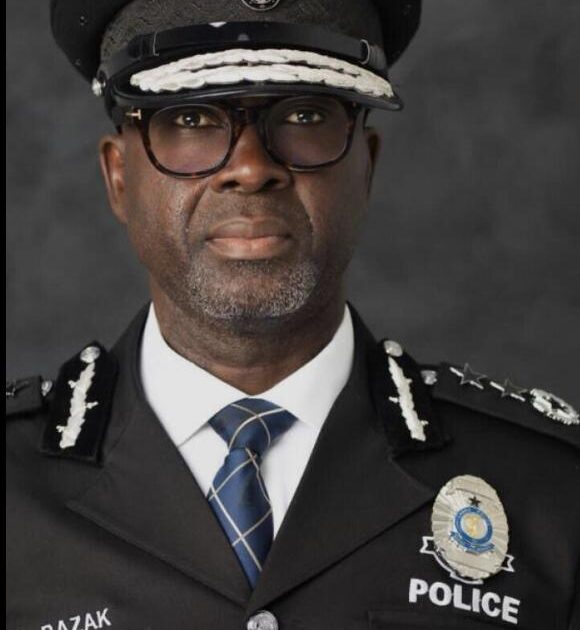
Ghana's National Security Coordinator COP Osman Abdul-Razak has issued a stern warning to private security companies and informal community security groups that any attempt to function as political militias during election periods will result in licence revocation and criminal prosecution.
Speaking at a national policy dialogue on the Vigilantism and Related Offences Act, 2019 (Act 999) at the Kofi Annan International Peacekeeping Training Centre, COP Abdul-Razak made clear that no private entity will be permitted to assume the coercive powers reserved for state security agencies or perform functions that belong exclusively to the state.
The core warning
COP Abdul-Razak acknowledged that private security companies and traditional leaders have a legitimate role in maintaining community safety, but stressed their activities must remain strictly within legal boundaries. He particularly highlighted the risk of political parties disguising illegal vigilante groups as private protection units, protocol teams, or licensed security details ahead of major political events.
"Private security companies operate under specific licences and regulations. Where these operational boundaries are breached, those licences will be lawfully revoked, and perpetrators will face the full rigour of Act 999," he stated.
The warning extends to individuals who attempt to exercise unauthorised security powers by wearing military-style uniforms, carrying weapons, or asserting illegal authority. Such persons could face arrest and prosecution under the vigilantism law.
Why it matters for Ghana
Ghana has experienced recurring concerns about political vigilantism, particularly during election cycles. The 2019 Vigilantism Act was passed to address this growing threat to democratic processes and electoral integrity. This intervention from the National Security Coordinator signals heightened vigilance ahead of electoral activities and reflects government commitment to preventing the militarisation of political campaigns.
The dialogue brought together security commanders, legal experts and civil society representatives to discuss enforcement mechanisms and prevention strategies. This multi-stakeholder approach underscores the complexity of the problem and the need for coordinated action across sectors.
Election security in Ghana traditionally falls under the Police-led National Election Security Task Force, which is responsible for protecting ballot boxes, candidates, electoral officers and the general public. COP Abdul-Razak emphasised that this responsibility rests with state security agencies operating within established legal frameworks, not private entities.
What political parties need to know
- Private security details must operate strictly within their licence terms and cannot assume state security functions
- Individuals breaching operational boundaries face licence revocation and prosecution under Act 999
- Wearing military-style uniforms, carrying weapons, or asserting unauthorised security authority can result in arrest
- All political actors must respect the law and avoid activities that undermine electoral security
COP Abdul-Razak's message reflects broader efforts by Ghana's security establishment to maintain democratic credibility and prevent the kind of electoral violence that has plagued other African nations. The warning serves as a clear deterrent to political actors tempted to deploy armed supporters for campaign purposes or to intimidate voters.
Source: MyJoyOnline


Comments (0)
Be the first to comment.