GPRTU cracks down on unauthorised fare increases as drivers ignore union rules
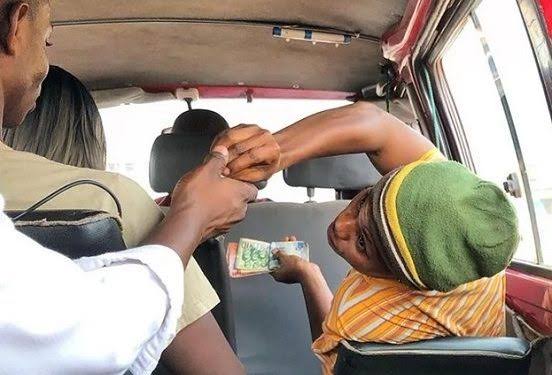
The Ghana Private Road Transport Union (GPRTU) has issued a stern directive to commercial drivers who have unilaterally raised passenger fares without authorisation, ordering them to immediately revert to approved charges. The move comes as commuters report widespread fare increases across various routes, despite no official adjustment being approved by the union and government.
According to Samuel Amoah, Deputy Public Relations Officer of the GPRTU, the union has received multiple complaints from passengers about drivers charging higher fares. The directive is part of a broader effort to maintain fare discipline and prevent what the union considers unauthorised price-gouging that harms ordinary Ghanaians already struggling with transport costs.
Why the suspension happened
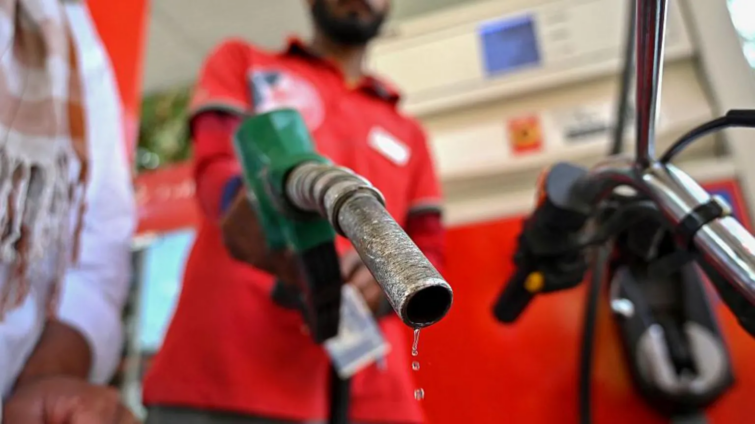
The GPRTU and the Ministry of Transport recently agreed to suspend proposed fare increases until the end of August, following negotiations between the two bodies. This decision came after the government announced it would absorb GH¢2 of the diesel price, reducing the immediate pressure on transport operators to raise fares. The suspension reflects an attempt to provide temporary relief to passengers whilst the union and government work toward a sustainable solution.
Amoah emphasised that the union follows strict procedures before approving any fare adjustment. "The processes we go through before increasing transport fares is clearly there," he stated, stressing that current fares remain unchanged pending official approval. His comments underscore frustration with drivers who have bypassed these established channels to boost their revenue independently.
Enforcement and public cooperation
The union has outlined a clear enforcement mechanism for addressing violations. GPRTU members who breach the directive face potential sanctions from union officials, whilst unregistered or "floating" drivers—those operating outside union membership—can be reported to police for intervention. This dual approach recognises that not all commercial drivers are union members, though it may complicate enforcement efforts.
Passengers have been encouraged to play an active role in maintaining fare discipline. Those who encounter drivers charging unapproved fares are asked to report the incident immediately, either to union officials or nearby police officers. The union's appeal for public vigilance reflects the reality that combating unauthorised fare increases requires cooperation from both operators and users of public transport.
What this means for Ghana's transport sector
This situation highlights the ongoing tension between transport operators seeking higher revenues and passengers demanding affordability. Ghana's commercial transport sector remains crucial for daily mobility, particularly in urban and peri-urban areas where minibuses and tro-tros are the primary public transport option. Uncontrolled fare increases disproportionately affect low-income workers and students who depend on affordable transport.
The government's decision to subsidise diesel prices temporarily represents an attempt to manage transport costs without allowing fares to spiral further. However, long-term sustainability remains uncertain, as fuel prices remain volatile and operator costs continue rising. The August deadline set for reviewing the suspension suggests the GPRTU and Ministry of Transport expect a clearer picture of the situation by then, potentially leading to an officially sanctioned fare adjustment based on genuine cost pressures rather than individual driver decisions.
For now, commuters should be aware that current approved fares remain in effect, and they have both the right and responsibility to challenge drivers demanding higher charges.
Source: The Ghana Report


Comments (0)
Be the first to comment.