
NPP's Aboagye Accuses Government of Hiding Behind 'Paper Economy' While Ghanaians Struggle
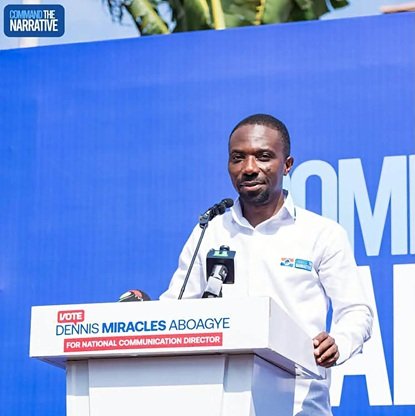

The New Patriotic Party's Director of Communications, Miracles Aboagye, has launched a stinging attack on the government, accusing it of prioritising favourable economic statistics over the genuine hardships being endured by Ghanaian citizens. His remarks, delivered in a strongly worded public statement, have reignited debate about whether Ghana's headline economic indicators truly reflect conditions on the ground.
A Litany of Grievances
Aboagye painted a vivid picture of a country under financial strain, citing a range of sectors where workers and ordinary citizens are openly expressing their frustration. Cocoa farmers, he noted, have been subjected to a haircut on their earnings — a reference to reductions that have left many in the farming community worse off. At the same time, tertiary students across the country have taken to the streets to protest soaring fees and the high cost of student accommodation, which has become increasingly unaffordable.
The situation is no better in the public sector. Teachers and nurses have been engaged in industrial action over unpaid allowances, a grievance that has persisted despite repeated assurances from authorities. Judiciary workers have similarly downed tools, citing the same frustration over outstanding payments owed to them.
Beyond the public sector, Aboagye pointed to the rising cost of essentials that affect every household. Transport fares, electricity tariffs, water bills, and fuel prices have all climbed, he argued, squeezing the budgets of working-class and low-income Ghanaians who are already stretched thin.
"The cost of living and the pocket of the Ghanaian citizen keeps worsening but government says, don't cry about the pocket when the paper looks good," Aboagye said, in remarks that quickly gained traction on social media.
What This Means for Ghana's Political Landscape
Aboagye's broadside is significant for several reasons. As Communications Director of the NPP — currently in opposition following the party's exit from government — his statement represents a calculated effort to hold the sitting administration accountable on economic management, one of the most sensitive issues for any Ghanaian government.
The criticism taps into a wider and long-standing tension in Ghana's public discourse: the gap between macroeconomic data, such as GDP growth figures or inflation rates as measured by the Ghana Statistical Service, and the lived experience of the average Ghanaian. Even in periods when headline numbers have pointed to recovery or stability, many citizens have reported that their purchasing power remains weak and day-to-day expenses continue to rise.
Ghana has been navigating a difficult economic period in recent years, having entered an IMF support programme to stabilise its finances following a severe debt crisis. While some macroeconomic indicators have shown improvement, the adjustment process has involved painful trade-offs — including cuts and restructuring that have directly affected earnings and benefits across various groups.
Why It Matters for Ghana
The timing of Aboagye's statement is notable. With multiple sectors simultaneously engaging in industrial action and citizens feeling the pinch at the pump, the supermarket, and the utility metre, the government faces mounting pressure to demonstrate that economic recovery is translating into tangible relief for ordinary people.
The hashtags #PaperEconomyPocketDry and #PaperEconomyVsPocketEconomy that Aboagye deployed are likely to resonate with many Ghanaians who feel that official narratives do not match their reality. Such phrases have the potential to frame political conversations in the months ahead, particularly as citizens scrutinise whether policy decisions are delivering real improvements in living standards.
For the government, the challenge is clear: bridging the credibility gap between economic data and everyday experience will be essential to maintaining public confidence. For the NPP, keeping this narrative alive serves a clear political purpose — reminding voters of the distance between promises and delivery.
Source: The Ghanaian Times


Comments (0)
Be the first to comment.