
Ghana's Inflation Ticks Up to 5.5% in October as Services and Non-Food Costs Drive New Pressures

Ghana's headline inflation rate edged upward to 5.5% in October 2026, rising from 5.2% in September, according to the latest figures released by the Ghana Statistical Service (GSS). The 0.3 percentage point increase signals a shift in what is driving price pressures across the economy — moving away from food costs and towards services and non-food items, which are now the dominant sources of inflationary strain on Ghanaian households.
What the Numbers Show
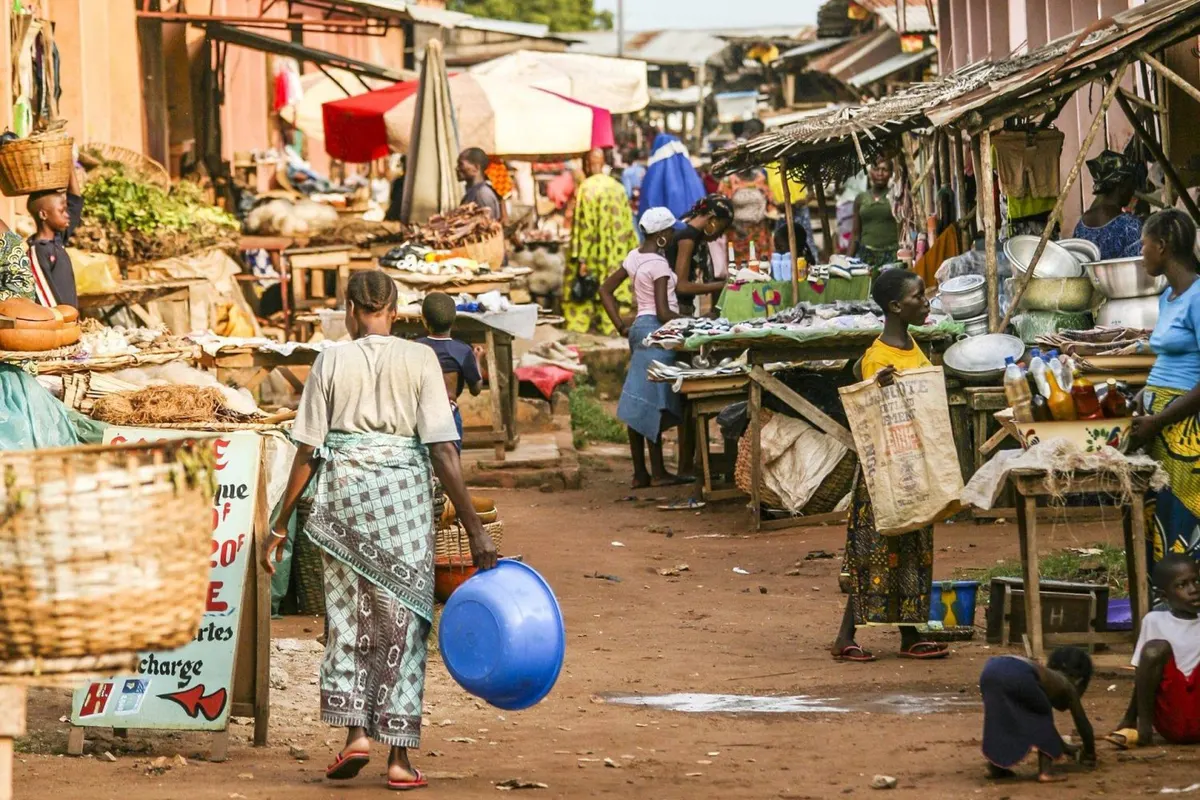
The October data reveals a clear divergence between different categories of consumer spending. Food inflation continued its downward trend, easing to 2.8% from 4.0% in September — welcome news for millions of Ghanaians for whom food remains the largest share of household expenditure.
However, the relief at the food counter is being offset elsewhere. Non-food inflation jumped sharply to 7.9% from 6.2% the previous month, while services inflation surged even more dramatically — rising to 11.5% from 8.3% in September. Services inflation at this level reflects rising costs in areas such as transport fares, housing-related charges, and broader household services, all of which hit working families hard regardless of what is happening to grocery prices.
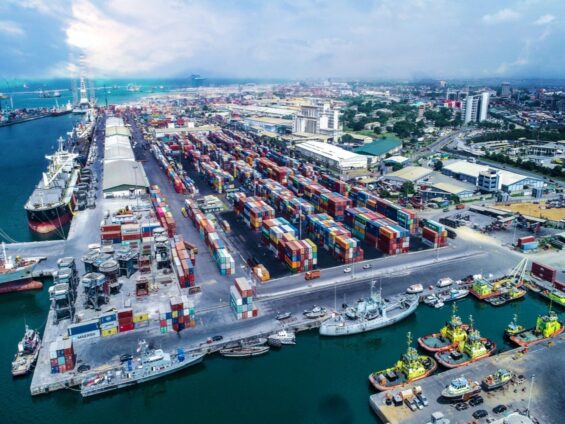
Looking at the breakdown by origin, domestically produced goods saw inflation rise to 6.9% from 6.4%, while inflation on imported items held steady at 2.4%. This widening gap suggests that pressures within Ghana's own production and distribution chains are more stubborn than those coming from global markets.
On a month-on-month basis, the consumer price index actually fell by 0.1% in October, compared with a 1.1% rise in September. That monthly dip was largely driven by a 2% reduction in food prices during the month — a distinction worth noting, as it shows that while prices are still higher than they were a year ago, they did not rise further between September and October.
Why It Matters for Ghana
Despite the modest uptick, the broader picture remains considerably more encouraging than it was twelve months ago. At 5.5%, Ghana's annual inflation is 2.5 percentage points lower than the 8.0% recorded in October 2025, reflecting the significant progress the country has made in bringing down the extreme price instability that characterised the economy in recent years following the economic crisis and subsequent IMF-supported recovery programme.
The current composition of inflation, however, warrants close attention from policymakers. When services inflation — which covers everything from transport to rent-related costs — rises as sharply as it has, the burden can be particularly difficult for urban households and low-income earners to manage. Unlike food prices, which can fluctuate seasonally, services inflation tends to be stickier and harder to reverse quickly.
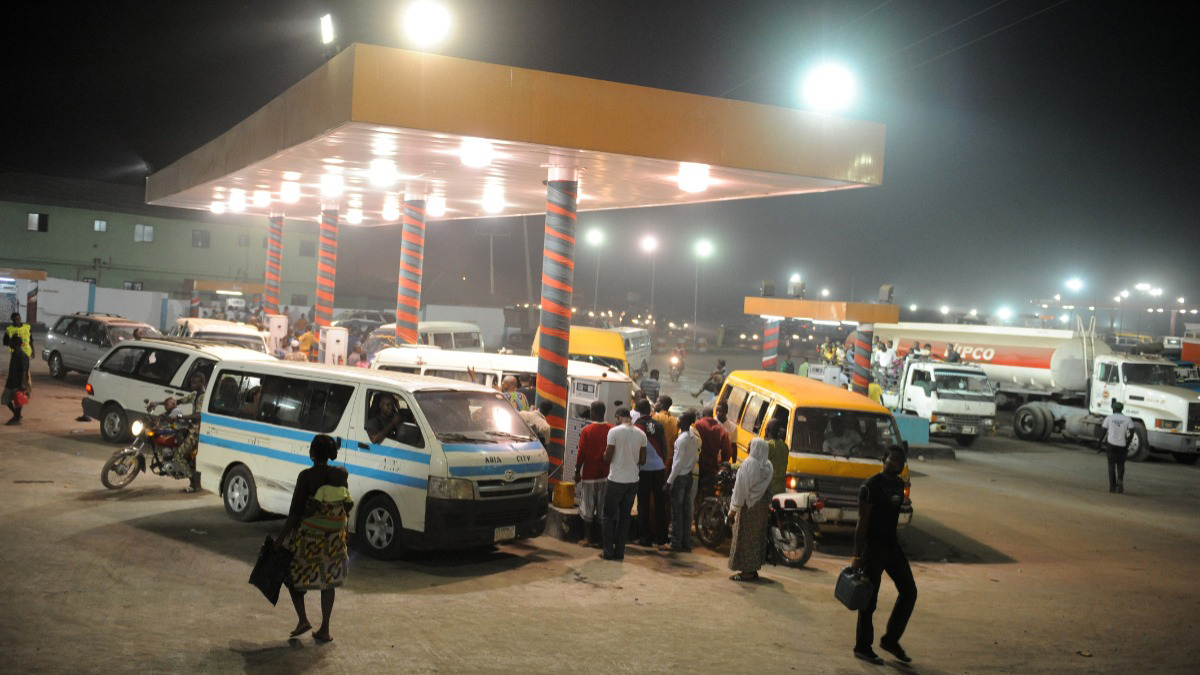
The fact that domestic inflation is outpacing imported inflation also raises questions about local cost structures, including energy pricing, logistics, and wages, all of which feed into the prices Ghanaians pay for locally made goods and services. The Bank of Ghana and the government will need to monitor whether this domestic pressure builds further or begins to moderate in the coming months.
The Outlook
Ghana's inflation trajectory since the peak of its economic difficulties has been broadly positive, and remaining within single digits is a milestone the government has worked hard to defend. Nevertheless, the October data serves as a reminder that the journey to sustained price stability is not linear.
- The continued easing of food inflation provides some buffer for household budgets, particularly in rural areas where food spending is proportionally higher.
- Services inflation at 11.5% will be a concern for the Bank of Ghana's Monetary Policy Committee as it assesses whether interest rates remain appropriate.
- Analysts and consumers alike will be watching the November figures closely to determine whether the uptick in non-food and services inflation is a temporary blip or the beginning of a new upward trend.
For now, Ghana's inflation remains well below the highs seen during the worst of the economic crisis, but the changing composition of price pressures means that complacency would be premature.
Source: Today GH


Comments (0)
Be the first to comment.