Government Stretches Fuel Subsidy into 2026: GH¢2 Diesel Relief Extended Two More Months
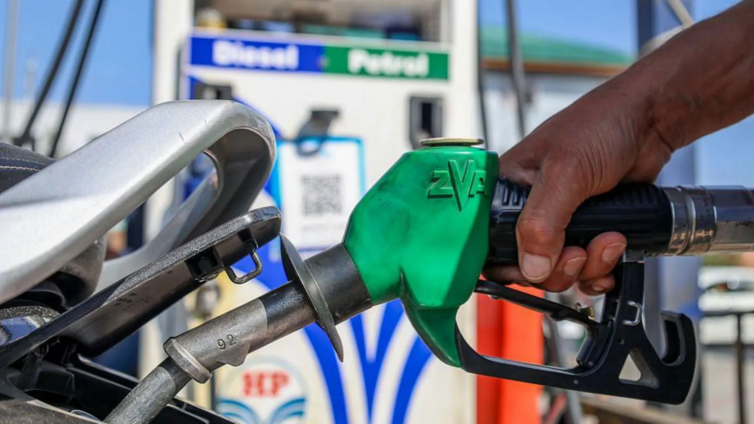
The government has announced a two-month extension of its GH¢2-per-litre diesel subsidy programme, maintaining relief at the pump for motorists, transport operators and businesses through September and November 2026. However, the latest phase introduces a revised funding arrangement that distributes the burden more evenly between state coffers and industry stakeholders.
Under the original subsidy structure introduced in April 2026, oil marketing companies absorbed the full GH¢2 reduction through margin compression. The government has now restructured this burden-sharing model: a GH¢1 reduction comes from the Diesel Levy (D-Levy)—a government revenue source—whilst the remaining GH¢1 reduction continues to come from industry margins. Motorists will still enjoy the full GH¢2 benefit per litre, but the cost is now split between public finances and commercial operators.
This marks the fourth consecutive government intervention since crude oil price surges threatened to destabilise local fuel markets. The most recent subsidy phase began on August 4 this year, prompted by volatile international oil prices that threatened to push pump prices to unsustainable levels. Each extension reflects ongoing policy efforts to shield Ghana's economy from external oil shocks.
Why it matters for Ghana
Fuel subsidies carry significant implications for Ghana's economy and public finances. Diesel prices directly affect transport costs, agricultural operations and manufacturing—sectors critical to employment and growth. When diesel becomes unaffordable, logistics costs rise, pushing up prices for goods and services across the economy. Commercial transport operators—a substantial employers—face margin pressures when fuel costs spike, often leading to service cuts or fare increases that ripple through the informal economy where millions depend on affordable transport.
However, subsidy programmes strain government budgets. By using D-Levy revenue to fund the GH¢1 portion, the government redirects money that might otherwise finance infrastructure, healthcare or education. The new cost-sharing approach attempts to balance consumer relief against fiscal sustainability, though questions remain about long-term affordability and whether oil marketing companies can sustain reduced margins without operational strain.
Concerns have emerged regarding unpaid subsidies owed to oil marketing companies from the August intervention phase. Outstanding bills create cash-flow problems for fuel retailers and could threaten supply chain stability if not resolved promptly. The extension's success will partly depend on whether government clears these arrears whilst implementing the new arrangement.
Looking ahead
The subsidy extension buys time but does not address underlying vulnerabilities. Ghana's fuel market remains exposed to international crude price volatility, which the government cannot control. Policymakers face difficult long-term choices: continuing subsidies indefinitely risks fiscal crises, whilst removing them abruptly could trigger economic shocks. The government's approach of repeated short-term interventions suggests it is navigating between political pressure to protect consumers and economic realities requiring fiscal discipline.
Industry observers and economists will watch whether the new burden-sharing model proves sustainable. If oil marketing companies struggle with reduced margins, supply shortages could emerge. Conversely, if D-Levy reductions significantly constrain public revenues, other government priorities may suffer. The extension through November 2026 provides immediate relief but leaves fundamental questions about medium-term energy pricing strategy unresolved.
Source: Today GH

Comments (0)
Be the first to comment.