Ghana extends diesel subsidy for two more months as fuel relief continues
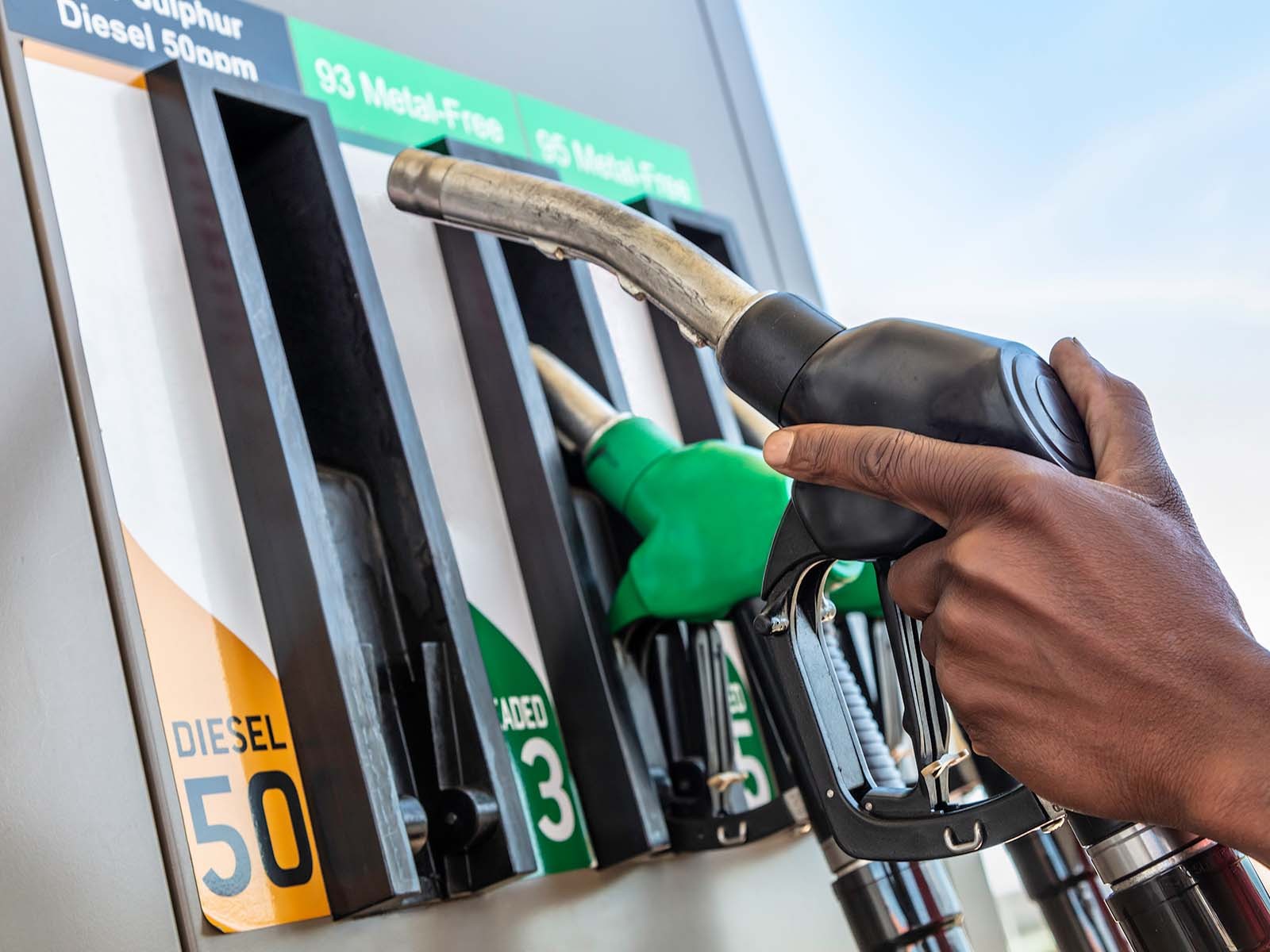
Ghana's government has announced a two-month extension of its GH¢2-per-litre diesel subsidy, providing continued relief to motorists, transport operators and businesses grappling with elevated international fuel costs. The intervention will run through September and November 2026, marking the fourth major fuel price relief measure the administration has introduced this year.
The extension represents a strategic shift in how the subsidy is financed. Rather than the previous arrangement where the full GH¢2 reduction came from diesel margins alone, the new mechanism splits the burden: GH¢1 now comes from a reduction in the D-Levy (a government fuel tax), whilst the remaining GH¢1 comes from industry margins. This burden-sharing approach mirrors the arrangement introduced on 16 April 2026, ensuring both government and fuel retailers contribute to maintaining affordable diesel prices.
Why this matters for Ghana
Diesel prices directly impact Ghana's transport, agriculture and manufacturing sectors. Commercial buses, lorries and industrial vehicles depend on affordable fuel to keep operating costs manageable. When diesel becomes expensive, these costs cascade through the economy—transport fares rise, food prices increase, and businesses reduce profit margins or cut workers. By maintaining the subsidy, the government aims to prevent such economic shockwaves during a period when global crude oil prices remain elevated.
The subsidy also signals government commitment to protecting consumers' purchasing power at a time when inflation pressures persist. For ordinary Ghanaians, especially those dependent on public transport, cheaper diesel translates to lower fares and more affordable goods and services.
Funding concerns and implementation challenges
Despite the extension's benefits, questions remain about implementation. JoyBusiness reports that oil marketing companies have outstanding payments for subsidies extended in August, raising concerns about whether retailers will be fully compensated under the new arrangement. This is a critical issue: if fuel retailers are not paid promptly, some may reduce supply or pass costs to consumers, undermining the subsidy's intended effect.
The decision to split subsidy costs between government revenue (D-Levy) and industry margins represents a pragmatic middle ground. It reduces the immediate fiscal burden on the state budget—a significant consideration for Ghana's public finances—whilst requiring fuel retailers to absorb part of the cost. However, this arrangement may face resistance from the industry if margins become unsustainably thin.
Context: Ghana's subsidy timeline
The government introduced its latest fuel intervention on 4 August 2026 following a spike in global oil prices. This extension marks the continuation of efforts begun earlier in the year, with the burden-sharing model itself dating back to mid-April. Each intervention has been framed as temporary, yet the pattern of repeated extensions suggests the government views sustained price relief as essential for economic stability and social cohesion.
The broader challenge remains: whilst subsidies provide short-term relief, they require consistent funding and carry long-term fiscal implications. Ghana will need to balance consumer protection with fiscal sustainability as global oil markets continue to fluctuate.
Source: MyJoyOnline


Comments (0)
Be the first to comment.