GNPC Charts New Course: Production, Gas Expansion and Exploration Drive 2024 Strategy
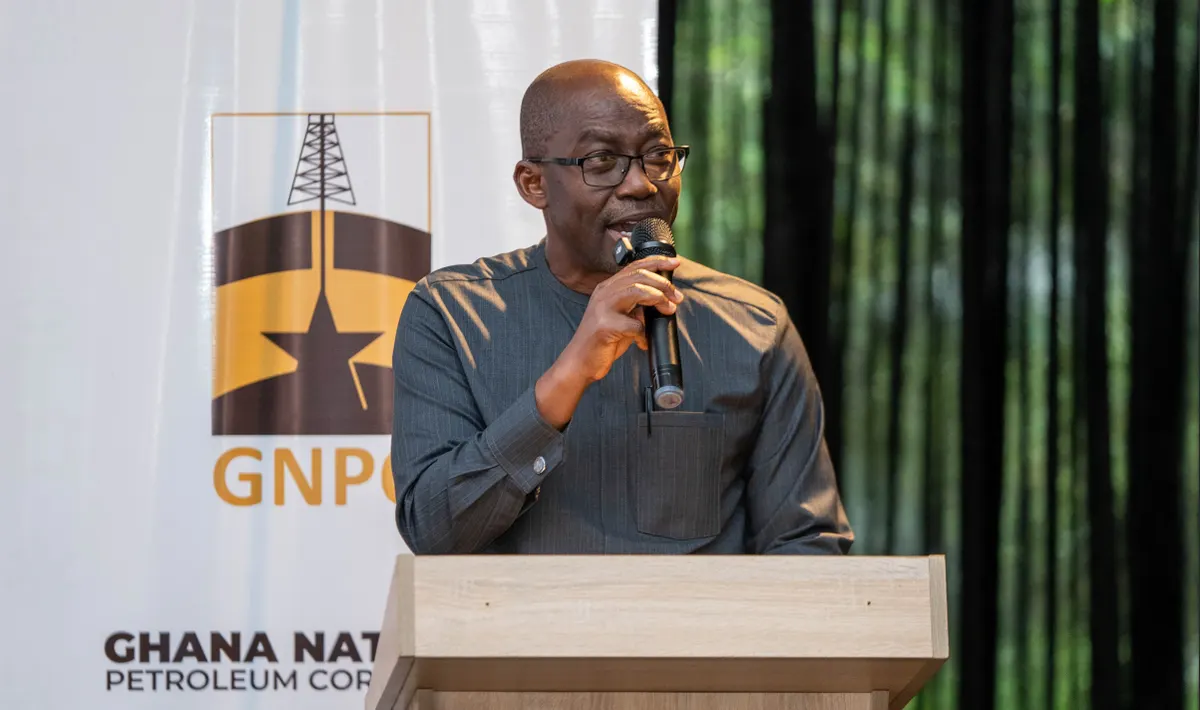
The Ghana National Petroleum Corporation (GNPC) has signalled a strategic pivot towards accelerating oil and gas production, expanding domestic gas utilisation, and ramping up exploration activities—moves aimed at maximising revenue generation and strengthening Ghana's energy security in the face of volatile global markets.
This renewed emphasis marks a departure from previous operational priorities and reflects GNPC's determination to extract greater value from Ghana's hydrocarbon resources at a time when the nation faces fiscal pressures and competing demands for investment in critical sectors.
Three-Pronged Strategy: Production, Gas and Exploration
GNPC's leadership has outlined a clear operational roadmap centred on three pillars. First, the corporation intends to unlock higher production volumes from existing and new fields, capitalising on proven reserves in the Jubilee, TEN and Sankofa-Gyfama fields. Second, developing Ghana's natural gas sector—both for domestic power generation and industrial use—has become a cornerstone priority, reducing dependency on imported liquefied natural gas (LNG) and lowering energy costs. Third, the corporation is intensifying exploration activities to identify additional commercial resources and extend the country's production lifespan beyond current reserve estimates.
The strategy reflects lessons learned from previous commodity booms and busts. By diversifying revenue streams between crude oil export, domestic gas supply, and exploration success, GNPC aims to create a more resilient business model less vulnerable to oil price crashes. This approach also aligns with global energy transition pressures, positioning Ghana's gas as a transitional fuel for neighbouring West African economies seeking alternatives to coal and diesel.
Why This Matters for Ghana
Oil and gas remain critical pillars of Ghana's export earnings and government revenue. Fluctuations in global oil prices have repeatedly destabilised national budgets, forcing government cutbacks and hindering development spending. By prioritising production growth, GNPC's strategy could significantly increase crude export volumes and foreign exchange inflows—essential for supporting Ghana's currency, reducing import pressures, and funding healthcare, education and infrastructure projects.
The gas expansion agenda carries particular weight domestically. Increased gas availability could lower electricity costs for households and industries, addressing longstanding complaints about high power tariffs that strain competitiveness. For manufacturers and export-oriented businesses, cheaper energy translates to lower production costs and improved profit margins. Domestically supplied gas also reduces the drain on foreign exchange reserves currently spent importing LNG.
Furthermore, successful exploration could extend Ghana's proven reserves—currently estimated at around 2.5 billion barrels of oil equivalent—and ensure the sector remains viable for decades rather than decades. This long-term perspective matters for planning purposes: it allows government to invest confidently in downstream industries, train workforces, and develop local supply chains supporting the sector.
However, GNPC's ambitions must be balanced against environmental and social concerns. Ghana's coastal communities depend on fishing and tourism; hasty exploration or production expansion risks damaging these livelihoods unless coupled with robust environmental management and community benefit agreements.
Operationalising the Vision
Success will depend on GNPC's ability to attract investment, manage costs, and navigate regulatory complexities. International oil companies operating in Ghana will need confidence in stable policy frameworks and transparent contracting. Domestically, GNPC must demonstrate operational efficiency, cost discipline, and accountability to public scrutiny—restoring trust after past controversies surrounding contract negotiations and spending transparency.
The coming years will reveal whether GNPC can execute this strategy effectively, translating ambition into tangible production gains and revenue improvements for Ghana.
Source: 3News



Comments (0)
Be the first to comment.