
Give Ofori-Atta space to return voluntarily, says Wontumi's lawyer
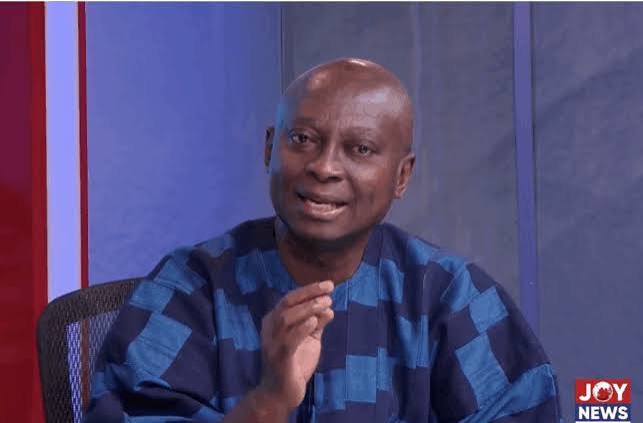

Samuel Atta Akyea, lead counsel for Ashanti Regional NPP Chairman Bernard Antwi-Boasiako (Chairman Wontumi), has called for a measured approach in Ghana's pursuit of former Finance Minister Ken Ofori-Atta, arguing that the former minister should be afforded the opportunity to return to the country of his own volition rather than through compulsory extradition proceedings.
Speaking on JoyNews' Newsfile programme on Saturday, Atta Akyea cautioned against rushing the extradition process, suggesting that forcing Ofori-Atta's return through legal machinery would be counterproductive. He emphasised that the former minister, given his legal background and understanding of international law, should be given adequate time to make an informed personal decision about returning to Ghana to face justice.
His intervention comes at a crucial juncture in the case. A United States court has raised concerns about the strength of Ghana's evidence against the former Finance Minister, whilst the Office of the Special Prosecutor continues to maintain that Ofori-Atta remains a fugitive from justice and should be extradited to face charges.
The extradition impasse
Extradition cases between nations involve intricate legal procedures and diplomatic considerations. Atta Akyea's position reflects broader concerns about the appropriateness of forcibly returning individuals through such mechanisms, particularly when an alternative—voluntary return—exists.
"I don't believe it will sit well with our sense of life when he is hauled here based on an extradition order," the lawyer stated, capturing what he sees as the dignity issue inherent in coercive legal proceedings. He noted that extradition carries significant legal and personal implications, and a person in Ofori-Atta's position would be acutely aware of those consequences.
The lawyer's suggestion reflects a pragmatic legal philosophy: that justice systems function better when defendants present themselves willingly rather than under compulsion. This approach, he argued, would allow the case to proceed without the additional complications that contested extradition could introduce.
Why this matters for Ghana
The Ofori-Atta case has become a significant test of Ghana's anti-corruption framework and the independence of its justice institutions. The former Finance Minister, who served under President Akufo-Addo, has faced allegations relating to his conduct in office. The Special Prosecutor's office has pursued the matter aggressively, reflecting the government's stated commitment to accountability.
However, the U.S. court's questions about Ghana's evidence suggest potential weaknesses in the prosecution's case. This development complicates the narrative around the investigation and could affect public confidence in the process if the case falters in American courts before ever reaching Ghanaian courts.
Atta Akyea's call for voluntary return also raises questions about the balance between pursuing justice and respecting procedural fairness. For ordinary Ghanaians, this case represents either a genuine anti-corruption effort or selective prosecution, depending on their political perspective. The manner in which authorities ultimately secure Ofori-Atta's return—coercively or voluntarily—will influence public perception of the justice system's integrity.
Whether the former minister will accept the implicit invitation to return voluntarily remains uncertain. For now, the case remains in limbo, with Ghana's determination to pursue extradition pitted against U.S. legal scrutiny and one senior lawyer's appeal for patience and restraint.
Source: MyJoyOnline


Comments (0)
Be the first to comment.