
Beyond the OSP: How Ghana's institutions failed in Ofori-Atta extradition bid
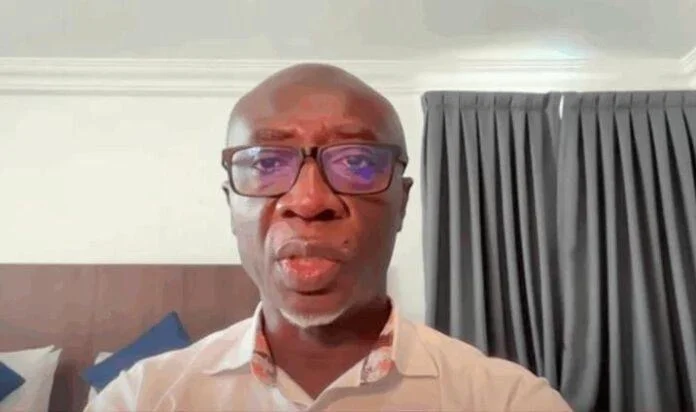

A University of Ghana law professor has pushed back against mounting criticism of the Office of the Special Prosecutor over its handling of the Ken Ofori-Atta extradition case, arguing that multiple state institutions share responsibility for the former Finance Minister's continued absence from Ghana.
Professor Kwadwo Appiagyei Atua's comments follow a recent US court decision that raised serious questions about evidence presented by Ghana's authorities, even as the OSP maintains that Ofori-Atta remains a fugitive from justice. The development has reignited debate about whether Ghana's institutions have adequately coordinated efforts to bring the former minister back to face investigation.
Who bears the blame?
Prof Atua contends that focusing criticism solely on the OSP misses a larger institutional failure. He highlighted the Attorney-General's Office and Ghana's security agencies as equally culpable in how the matter has unfolded, suggesting that criminal investigation and enforcement requires coordinated action across multiple state bodies.
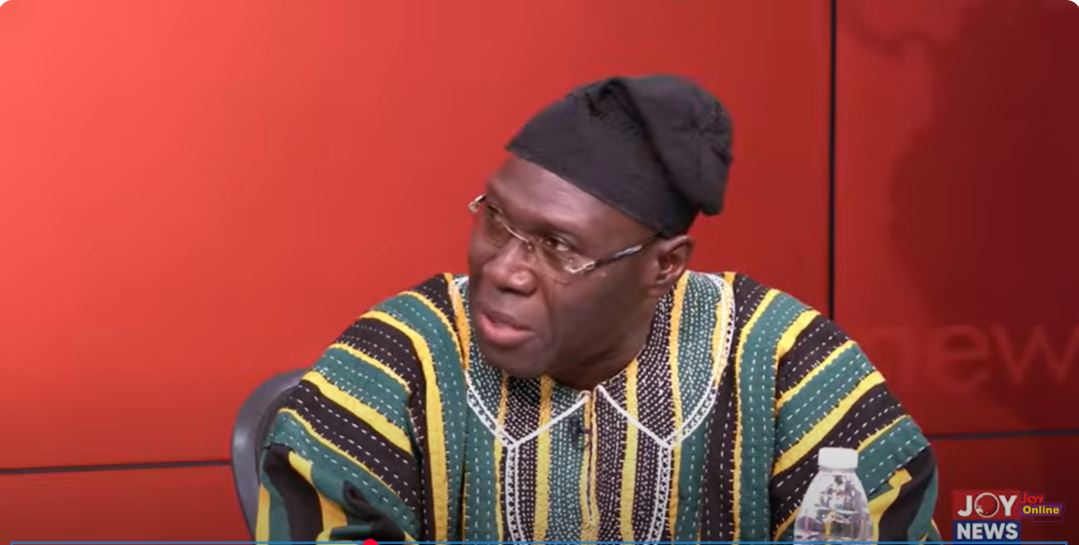
"The OSP is being overly held responsible for the so-called fleeing of Mr Ofori-Atta," he said during an interview on JoyNews' Newsfile. "There are other agencies involved who could have been held or should be responsible as well." This distribution of accountability reflects the complexity of securing the return of a suspect operating across international borders and immigration systems.
The medical permission argument
Prof Atua also reframed the narrative around Ofori-Atta's departure from Ghana, rejecting the characterisation that he unlawfully fled. According to the legal expert, the former minister received authorisation to leave Ghana for medical treatment—a critical distinction that changes how his extended stay should be understood.
"He didn't really flee because he got permission to go and seek medical attention," Prof Atua explained. He acknowledged that while Ofori-Atta exceeded the timeframe granted for his trip, medical evidence supports why he needed to remain longer, including undergoing surgery in the United States.
This argument introduces nuance often absent from public discourse: whether overstaying an approved medical leave constitutes the same legal violation as fleeing while facing criminal charges. The distinction may have implications for how Ghanaian courts and institutions should approach future cases involving suspects seeking legitimate healthcare abroad.
Why it matters for Ghana
The Ofori-Atta case exposes vulnerabilities in Ghana's institutional coordination and its capacity to secure extradition from the United States. When state agencies fail to work in tandem—or when responsibility becomes diffused—suspects may exploit gaps in the system. For Ghana's justice system to function credibly internationally, especially in cases involving high-profile figures, institutions must clarify roles and accountability.
Additionally, Prof Atua's critique of the US immigration judge's decision highlights another dimension: the judge's authority in immigration proceedings should remain distinct from assessments of criminal merit. Ghana's authorities may have muddled these separate legal domains, weakening their position. This lesson applies to future transnational cases where Ghana seeks cooperation from foreign courts.
The broader implication for ordinary Ghanaians is that institutional failures at the highest levels—among the OSP, Attorney-General's Office, and security agencies—undermine public confidence in the justice system's ability to hold powerful figures accountable. When cases appear to stall or when blame shifts between agencies, citizens question whether the rule of law applies equally regardless of status or resources.
Prof Atua noted that as of now, Ofori-Atta has secured permanent residency status in the United States, further complicating prospects for his return. The question remains what legal avenues remain available to Ghana and whether coordinated institutional effort could have produced a different outcome.
Source: MyJoyOnline



Comments (0)
Be the first to comment.