
Ghanaian Travellers are losing money to hidden fees – Here's how prepaid travel cards offer protection
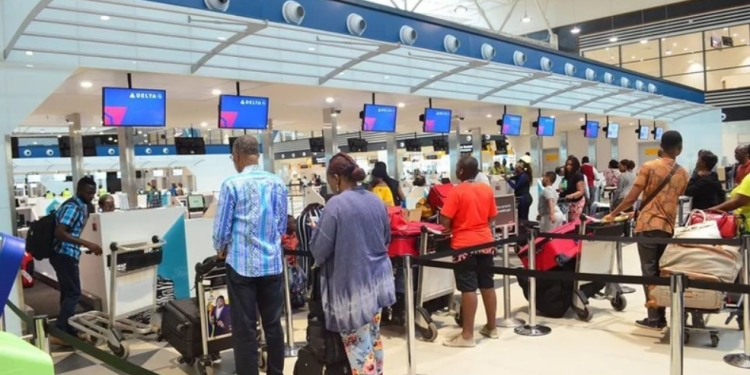
Millions of Ghanaians travel internationally each year – students heading to universities in the UK and North America, business professionals attending conferences across Africa and Asia, entrepreneurs visiting suppliers in China and Turkey, and families crossing West African borders. Yet most rely on traditional debit and credit cards that silently drain funds through hidden fees and unfavourable exchange rates, sometimes costing the equivalent of several nights' accommodation on a two-week trip.
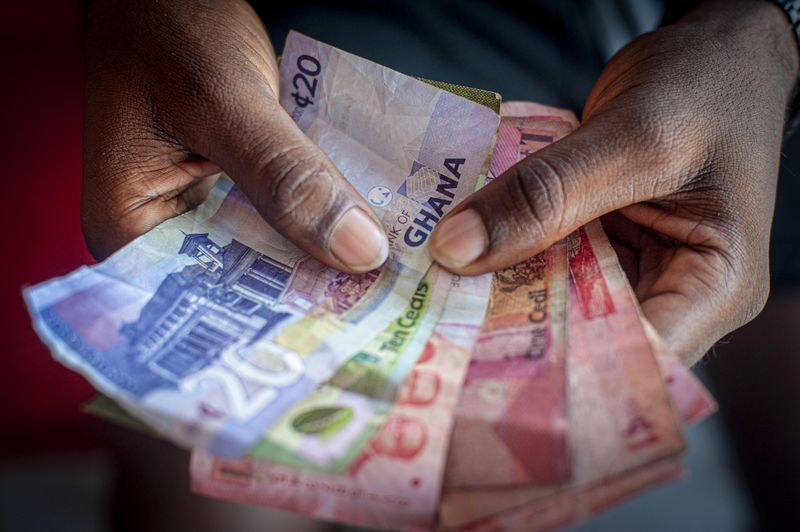
Prepaid travel cards offer a compelling alternative, particularly for Ghanaians navigating the cedi's ongoing volatility. By locking in exchange rates before departure and eliminating cross-border transaction fees, these cards provide both financial predictability and genuine protection against currency fluctuations that often catch traditional cardholders off guard.
The true cost of paying abroad with standard cards
When Ghanaians swipe a debit or credit card overseas, the charges are rarely transparent. Most banks embed cross-border transaction fees directly into foreign exchange rates – fees that can reach up to 7.5 per cent per transaction, according to industry analysis. On top of this, merchants often offer an option called Dynamic Currency Conversion (DCC), which charges an even steeper markup by converting transactions at the point of sale rather than at the bank's wholesale rate.
These individual charges seem modest in isolation, but they accumulate rapidly. A traveller on a two-week trip using a standard card could lose the equivalent of two or three night's hotel fees purely to currency conversion costs – money spent not on experiences or necessities, but on invisible financial intermediation.
For business travellers and students staying abroad for months, the cumulative impact is even more severe. A semester abroad or a quarterly business assignment can result in hundreds of dollars lost to transaction fees alone.
How prepaid travel cards work differently
A prepaid travel card functions as a pre-loaded money wallet. The user loads foreign currency into the card before departure – typically through their bank – and the funds are locked in at that day's exchange rate. Once abroad, the card works like a debit card at ATMs and merchant terminals, but without the cross-border fees that traditional cards incur.
The key innovation is simplicity: travellers know exactly how much spending power they have before stepping on the plane. The card stops working when funds are exhausted, creating an automatic budget constraint that discourages overspending and eliminates post-trip financial surprises.
Modern travel cards also come with mobile app functionality, allowing users to monitor transactions in real time, check remaining balances, view security PINs, and even freeze the card instantly if it's lost or stolen – a significant security advantage over carrying cash.
Why this matters for Ghana's mobile and international workforce
Ghana's economy increasingly depends on international mobility. Whether a student navigating tuition payments in dollars and pounds, an entrepreneur managing supplier relationships across multiple currencies, or a healthcare patient accessing treatment abroad, Ghanaians are exposed to currency risk that traditional banking solutions don't adequately address.
The cedi's depreciation against major currencies has been a persistent challenge. When a Ghanaian loads a prepaid travel card three months before departure at the prevailing rate, any subsequent weakening of the cedi is irrelevant – the value is already secured. A traditional debit cardholder, by contrast, bears that loss directly when converting back home or if the cedi depreciates during their trip.
Beyond currency protection, prepaid cards offer psychological and practical benefits. Students can budget their allowances without worrying about overdraft fees. Business travellers gain clearer expense control. Families sending money to relatives studying abroad can load funds onto a card, ensuring the money is used specifically for necessities rather than being vulnerable to theft or informal money transfer losses.
The evolution from Frank McNamara's forgotten wallet in 1950 to today's digital travel cards reflects a fundamental shift: payment technology should serve the traveller's interests, not the bank's fee structure. For Ghanaians navigating a volatile local currency and an increasingly cashless global economy, that shift is no longer optional – it's financial necessity.
Source: The Ghana Report



Comments (0)
Be the first to comment.