Ghanaian playwright Latif Abubakar stages Mahama's slavery reckoning in bold new production
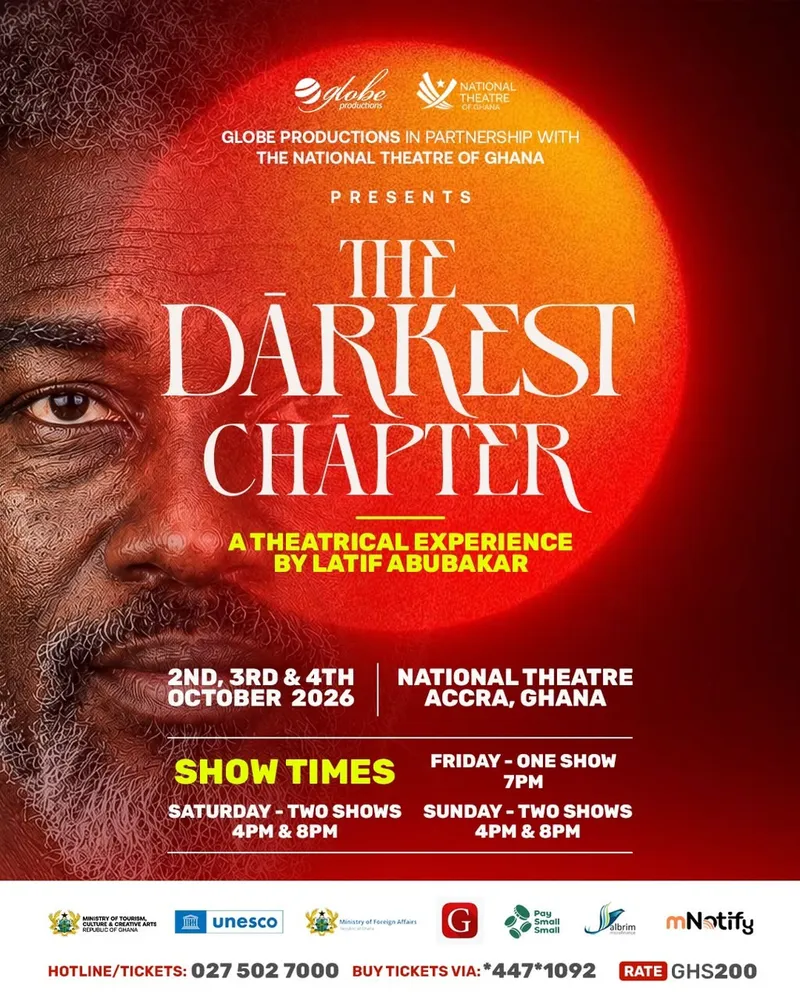
Ghanaian theatre is set for a landmark moment as acclaimed playwright Latif Abubakar brings his latest production, The Darkest Chapter, to the stage. The play marks his 21st theatrical venture and represents an ambitious dramatisation of President John Mahama's historic address to the United Nations General Assembly on the trans-Atlantic slave trade—a moment that captured international attention and reignited conversations about African history, reparations, and global accountability.
Abubakar, known for his bold engagement with socially significant themes, has crafted a theatrical response to Mahama's UN intervention, transforming a diplomatic speech into dramatic narrative. The move reflects a growing trend among Ghanaian artists of translating political and historical moments into culturally resonant performances that deepen public understanding and spark dialogue.
Why it matters for Ghana
President Mahama's UN address was a watershed moment for Ghana on the global stage. By speaking directly to the legacy of slavery and its ongoing impacts on African nations, he positioned Ghana and Africa more broadly as agents demanding recognition of historical injustice and fair accounting from Western powers. The address resonated with Ghanaians' broader conversations about national identity, pan-African solidarity, and economic reparations.
By staging this moment, Abubakar's The Darkest Chapter does more than commemorate a political speech—it transforms it into a cultural artefact. Theatre allows audiences to experience the emotional weight and moral complexity of these discussions in ways that news coverage alone cannot. For Ghanaian audiences, the production offers a chance to engage with questions of historical justice, national pride, and Africa's place in global conversations about accountability.
This aligns with Ghana's established role as a cultural and intellectual hub in West Africa. The country has long been a centre for processing Africa's difficult histories, from its museums dedicated to the slave trade to its annual pilgrimages and remembrance activities. Abubakar's theatrical intervention adds another layer to this ongoing national conversation.
Theatre as historical witness
Latif Abubakar has built a reputation for using drama as a vehicle for exploring Ghanaian and African experiences. With 21 productions to his name, he represents a significant voice in Ghana's contemporary theatre scene. The Darkest Chapter continues this trajectory by elevating a moment of political courage into theatrical art.
The production's timing is also significant. As conversations about reparations gain momentum globally, and as African nations increasingly assert their historical narratives on international platforms, Ghanaian theatre is contributing to this broader movement. By dramatising Mahama's UN intervention, Abubakar ensures that the speech's significance extends beyond diplomatic circles into popular consciousness and cultural memory.
What to expect
While specific details about staging, cast, and premiere dates require confirmation, the production promises to be a defining moment for Ghanaian theatre. Audiences can anticipate a work that grapples seriously with themes of historical trauma, African agency, and the emotional resonance of demanding justice on the world stage.
The play represents the kind of cultural work that strengthens nations—transforming political moments into enduring artistic statements that future generations can revisit and learn from. For Ghana, it reinforces the country's position as a space where important conversations about Africa's past and future continue to unfold, both in political forums and in the hearts of audiences seated in theatres across the country.
Source: 3News


Comments (0)
Be the first to comment.