
Centuries-Old Tree Tied to Okomfo Anokye Legend Falls at Asante Agona After Powerful Windstorm

A tree of deep cultural and historical significance in the town of Asante Agona has been toppled by powerful winds, sending shockwaves through the local community and sparking wider conversation among Ghanaians about the preservation of sites linked to the country's rich Asante heritage. The tree, believed to be centuries old and connected to the legendary Okomfo Anokye — the revered priest associated with the founding of the Asante Confederacy and the mystical descent of the Golden Stool — was uprooted, leaving residents visibly distressed.
Who Was Okomfo Anokye and Why Does This Tree Matter?
Okomfo Anokye is one of the most celebrated figures in Ghanaian history. Serving as the chief priest alongside Asantehene Osei Tutu I in the late 17th and early 18th centuries, he is credited with calling down the Golden Stool — the Sika Dwa Kofi — from the heavens, an act that symbolically united the Asante people and established the foundation of the powerful Asante Kingdom. His legacy is deeply woven into the cultural fabric of the Ashanti Region and, by extension, all of Ghana.
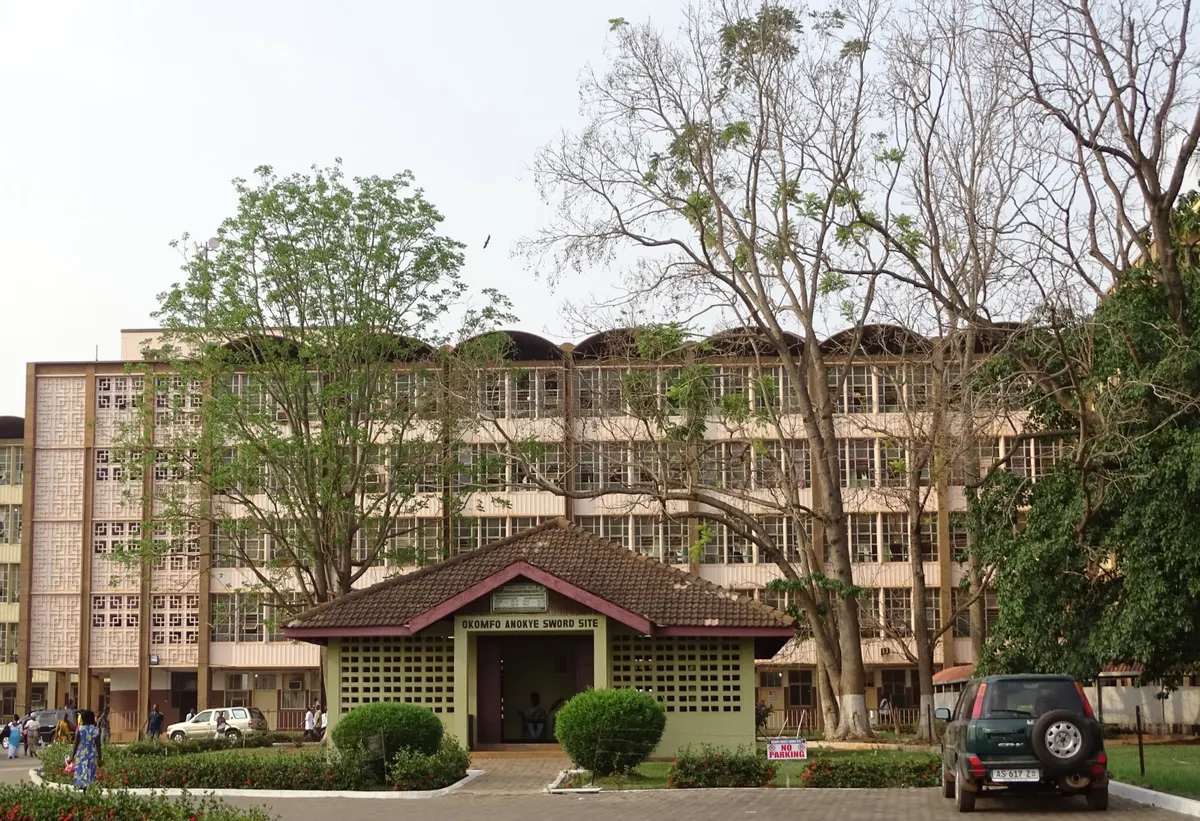
Trees and natural landmarks associated with Okomfo Anokye carry enormous spiritual and historical weight in Asante tradition. Perhaps the most well-known example is the Okomfo Anokye Sword, said to have been plunged into the ground at the Komfo Anokye Teaching Hospital in Kumasi — a sword that, according to legend, cannot be removed. Sites connected to Okomfo Anokye are regarded not merely as historical curiosities but as living symbols of Asante identity and spiritual power. The felling of such a tree, even by natural causes, is therefore viewed by many as a deeply significant event.
Why It Matters for Ghana
The loss of this landmark raises important questions about the stewardship of Ghana's cultural and historical heritage. Sites tied to legendary figures like Okomfo Anokye attract local reverence, domestic tourism, and international scholarly interest. When such landmarks are lost — whether to natural forces, urban development, or neglect — a tangible piece of the nation's story disappears with them.
Ghana currently maintains several heritage sites under varying degrees of formal protection, including those recognised by the Ghana Museums and Monuments Board. However, natural landmarks such as sacred trees can be more difficult to preserve, sitting as they do at the intersection of living tradition and institutional conservation. This latest incident may prompt renewed calls for authorities and traditional leaders to identify, document, and where possible, protect trees and natural sites of cultural importance before they are lost forever.
Residents who gathered at Asante Agona following the incident reflected the deep emotional connection communities maintain with such landmarks. For many, these are not simply old trees — they are physical links to ancestors, to spiritual power, and to a collective memory that defines who they are.
Calls for Documentation and Protection
Cultural heritage experts and historians have long argued that Ghana's oral traditions and the physical sites connected to them deserve greater institutional attention. While monuments and built structures receive a measure of formal protection, living heritage — including sacred groves and historically significant trees — often relies solely on community guardianship.
- Traditional authorities in the Ashanti Region may be expected to perform customary rites following the tree's fall, in keeping with Asante spiritual practice.
- The incident serves as a reminder of the vulnerability of natural heritage sites to increasingly erratic weather patterns, which many attribute to the effects of climate change across West Africa.
- Community leaders and heritage advocates are likely to call on the Ghana Museums and Monuments Board to conduct a comprehensive audit of similar sites across the country.
The fallen tree at Asante Agona is more than a local story — it is a prompt for Ghana to reflect on how it honours and protects the physical remnants of its extraordinary past.
Source: 3News



Comments (0)
Be the first to comment.