Ghanaian Music Faces Same Threat: How Streaming Farms Are Undermining West African Talent
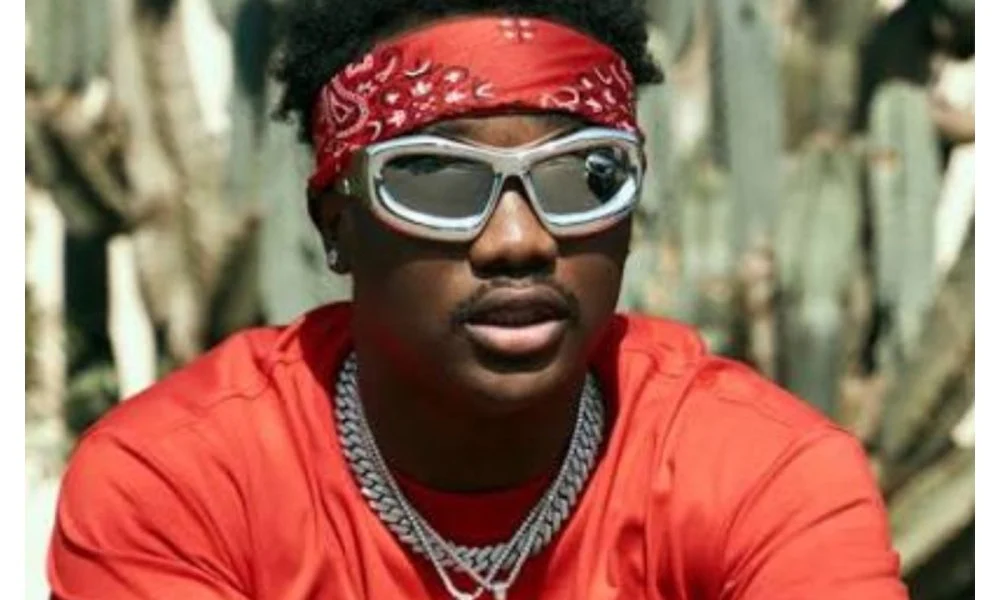
The West African music industry is grappling with a growing crisis that threatens to undermine the credibility of streaming metrics and disadvantage genuinely talented artists. Nigerian Afrobeats singer Hotkeed has raised alarm about the widespread use of streaming farms—services that artificially inflate play counts on platforms like Spotify, Apple Music and YouTube—claiming he knows of at least 50 Nigerian artists exploiting the scheme.
Hotkeed's accusations, made in a recent interview, reveal a troubling pattern where artists are purchasing fake streams to inflate their chart positions and social media credibility. He described the impact as devastating: each artist using streaming farms effectively displaces genuine emerging talent from visibility on algorithmic playlists and recommendation systems. The practice has become so normalised that promoters actively recruit new clients, approaching artists directly to offer their services.
The Mechanics and Scale of the Problem
Streaming farms operate by using bot networks and bulk purchasing to generate hundreds of thousands or millions of artificial plays within short timeframes. Artists pay fees to these services to artificially boost their streaming numbers, creating the appearance of viral success. The problem has metastasised across African music industries, particularly in Nigeria and increasingly in Ghana's own burgeoning music scene.
Hotkeed's most striking revelation was his willingness to expose offenders. He warned that any artist who crosses him and uses streaming farms will be publicly identified. He contrasted his own artistic integrity—preferring 2,000 genuine streams to 2 million fraudulent ones—against the desperation he witnesses in the industry. What makes his statement particularly significant is his observation that streaming farm operators actively recruit talent, suggesting this is now an established, commercialised ecosystem rather than isolated cheating.
Why It Matters for Ghana's Music Industry
Ghana's music sector, buoyed by the international success of Afrobeats and the rising profiles of artists like Sarkodie, Black Sherif, and Tion Wayne, faces similar pressures. As Ghanaian artists compete for space on global playlists and sponsorship deals increasingly tied to streaming numbers, the temptation to use artificial boosting services grows stronger.
Streaming fraud distorts the market in several ways. Record labels and playlist curators rely on stream counts to identify talent, meaning fake streams can trick gatekeepers into investing in artists without genuine fanbase depth. More damaging, talented Ghanaian artists with authentic audiences may struggle to gain traction against competitors wielding artificial numbers. Streaming platforms' algorithms also reward popular tracks with more visibility, creating a compounding advantage for those gaming the system.
Beyond competition, streaming fraud undermines the entire value proposition of digital platforms. When major labels and platforms cannot trust stream counts, investment decisions become unreliable. This cascades into reduced songwriter royalties, skewed data for marketing campaigns, and ultimately, a less functional music economy.
The Broader Implications
Hotkeed's claims also highlight a generational frustration within African music. Established artists and industry observers are increasingly vocal about the disconnect between streamed success and actual commercial viability. Artists with millions of streams sometimes struggle to sell concert tickets or merchandise, suggesting their audiences may not be real.
The challenge for regulatory bodies, platforms, and industry organisations like Ghana's music rights societies is significant. Spotify and Apple Music have mechanisms to detect unusual streaming patterns, but the technology remains imperfect. Some services employ increasingly sophisticated methods to evade detection.
For Ghanaian musicians, the lesson is clear: sustainable success requires building authentic fanbases. Whether through social media engagement, live performances, radio play, or organic playlist inclusion, genuine connection with listeners ultimately provides more durable career foundations than artificial metrics ever could.
Source: The Ghana Report



Comments (0)
Be the first to comment.