Davido's Dominance: Why the Nigerian Superstar Matters to Ghana's Music Scene
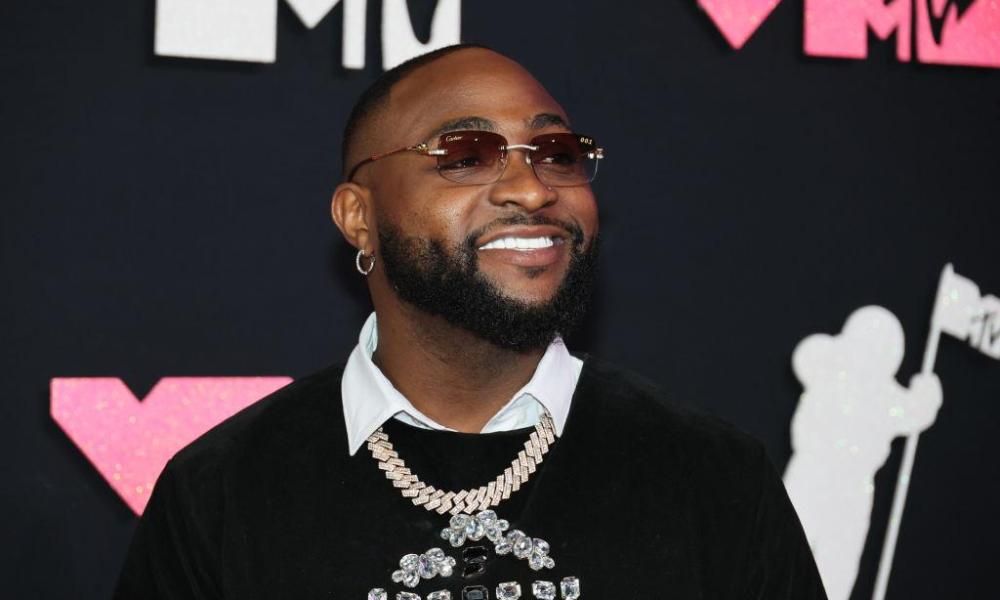
Nigerian afrobeats sensation David Adeleke, professionally known as Davido, continues to command unprecedented influence across Africa's entertainment landscape, according to his talent manager Asa Asika. In a recent podcast appearance, Asika positioned the 32-year-old singer as the most influential Nigerian under 40, a claim rooted not in subjective opinion but in measurable social media dominance that extends far beyond Nigeria's borders.
Asika's assessment carries weight in Ghana, where Davido has long been a fixture in nightclubs, on radio playlists, and at major events. The artist's ability to remain culturally relevant despite multiple controversies distinguishes him from peers whose careers have faltered under similar scrutiny. For Ghanaian audiences particularly interested in West African music dynamics, this resilience offers insight into how global platforms amplify certain voices while others fade.
The Social Media Advantage
At the core of Asika's argument lies a quantifiable metric: Davido's follower count across Instagram, TikTok, YouTube and Twitter dwarfs that of other Nigerian entertainers. This isn't merely vanity—social media reach translates into real commercial power. Brands queue to associate with Davido, according to his manager, who noted that the artist's music videos no longer require personal financial investment. Major corporations fund production costs simply for the exposure his platform provides.
For Ghana, where the music industry increasingly depends on digital distribution and influencer partnerships, Davido's model is instructive. Ghanaian artists like Sarkodie, King Promise, and Shatta Wale monitor such trends carefully, understanding that West African dominance requires mastering not just music quality but social media strategy and brand positioning.
Why It Matters for Ghana
Davido's influence operates at a continental scale that affects how West African music is packaged, consumed, and monetised. When he collaborates with Ghanaian artists—as he has with several over the years—those partnerships gain amplification through his unmatched reach. Conversely, his dominance also creates competition; Ghanaian musicians must work harder to carve out regional and international space.
The broader implications involve platform politics and soft power. A single African entertainer wielding influence comparable to a nation's leader, as Asika half-jokingly suggested, reflects the growing weight of celebrity in shaping culture and consumer behaviour. In Ghana, where music and entertainment drive national tourism, employment, and brand reputation, understanding how figures like Davido accumulate and wield influence informs strategic thinking about local talent development and industry investment.
Moreover, Davido's resilience through scandal—a point Asika emphasised—reveals something about audience loyalty in the digital age. Controversies that once destroyed careers now become brief news cycles if the entertainer maintains consistent output and engagement. This pattern affects how Ghanaian industry players approach reputation management and public relations.
The Bigger Picture
Asika's comments also underscore the shift in power dynamics within African entertainment. Two decades ago, Hollywood and Western pop culture dominated aspirations. Today, an Afrobeats artist can accumulate more social influence than most political leaders. For Ghana, this transition is both opportunity and challenge—opportunity to export talent and culture at scale, but challenge in ensuring that Ghanaian voices compete effectively in a crowded marketplace where Davido and similar mega-influencers set the standard.
Whether one agrees with Asika's assessment of Davido's status is less important than recognising what the claim represents: the consolidation of cultural and commercial power around individual entertainers capable of commanding global platforms. For Ghanaians invested in music, business, or cultural soft power, that's a metric worth monitoring.
Source: The Ghana Report


Comments (0)
Be the first to comment.