Ghanaian-British Film 'Locked-IN' Goes Free on YouTube After Oscar-Qualifying Festival Run
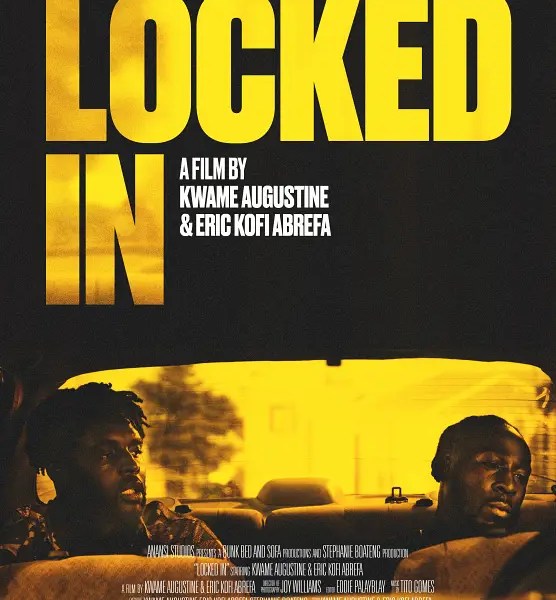
A provocative new short film exploring the complexities of homecoming and diaspora exploitation will premiere free worldwide on YouTube on 31 August 2026. Locked-IN, created by and starring British-Ghanaian actor and writer Kwame Augustine alongside Eric Kofi Abrefa, marks a significant milestone for independent African storytelling on a global platform.
The film, directed by Stephanie Boateng, follows two friends, Mike and Kwesi, as they travel to Ghana in pursuit of what appears to be an opportunity—a lucrative land deal. What unfolds, however, is far more complicated. Along their journey, the pair encounter obstacles that progressively challenge their plans, test their trust in one another, and force them to confront the true motivations behind their return.
A Fresh Perspective on Neocolonialism
At its core, Locked-IN interrogates modern neocolonialism as it manifests through the diaspora lens. Rather than focusing on historical or overtly obvious exploitation, the film examines what exploitation looks like when it comes wearing a familiar face—when it emerges through relationships, business dealings, and the promise of mutual benefit among those who share cultural or familial ties.
Augustine, who also co-wrote the film, describes it as a story that "looks like an adventure and lands like a reckoning." This narrative approach resonates deeply with contemporary conversations about returnee narratives in Africa, where the promise of opportunity often masks complex power dynamics and competing interests. The film raises urgent questions: who truly benefits? Who ends up being used? And what does genuine "coming home" actually cost?
For Ghanaian audiences, these questions carry particular weight. The country has long been a destination for diaspora investment and business ventures, with mixed outcomes. Tales of returnees encountering unexpected challenges, broken promises, and complicated relationships with those left behind are common in Ghanaian communities.
Why It Matters for Ghana
Locked-IN arrives at a moment when Ghanaian and African storytelling is increasingly gaining international recognition and resources. The film's Oscar- and BAFTA-qualifying festival circuit, which included prestigious events like the Tampere Film Festival and London Short Film Festival, underscores how contemporary African narratives are being recognised by major international film institutions.
More significantly, the free YouTube release democratises access to this story. Rather than remaining confined to festival circuits or elite viewing spaces, it becomes available to millions—including Ghanaians both at home and abroad who have lived versions of these experiences. This accessibility matters for a country where digital platforms have become primary drivers of cultural conversation.
Augustine's work extends beyond this single project. The London-Accra-based creative currently stars in the highly anticipated Fable reboot by Playground Games, set for release in February 2027, where he joins a cast including Hayley Atwell and Richard Ayoade. More notably, he is in pre-production on his feature film debut, UNCLE, which expands the world and questions of Locked-IN into a full-length narrative.
- Augustine is an accomplished actor, writer, director and producer with screen credits including award-winning series JOHNNY and BBC's Doctors
- The film examines invisible exploitation within diaspora networks and contemporary neocolonialism
- Free global release on YouTube signals growing accessibility of African independent cinema
What Comes Next
The trajectory from short film to feature expansion demonstrates Augustine's serious commitment to exploring diaspora narratives at scale. UNCLE, written with Elijah Baker, promises to deepen these urgent conversations about identity, belonging, and exploitation for audiences seeking more nuanced African storytelling.
For Ghanaians interested in contemporary African cinema that reflects lived experience, Locked-IN offers both artistic craftsmanship and thematic urgency. Its 31 August YouTube premiere represents not just a film release, but a moment when African voices continue claiming space in global conversations.
Source: Ameyaw Debrah

Comments (0)
Be the first to comment.