From Pusiga to Brooklyn: How a Ghanaian healthcare worker is bridging two worlds through charity
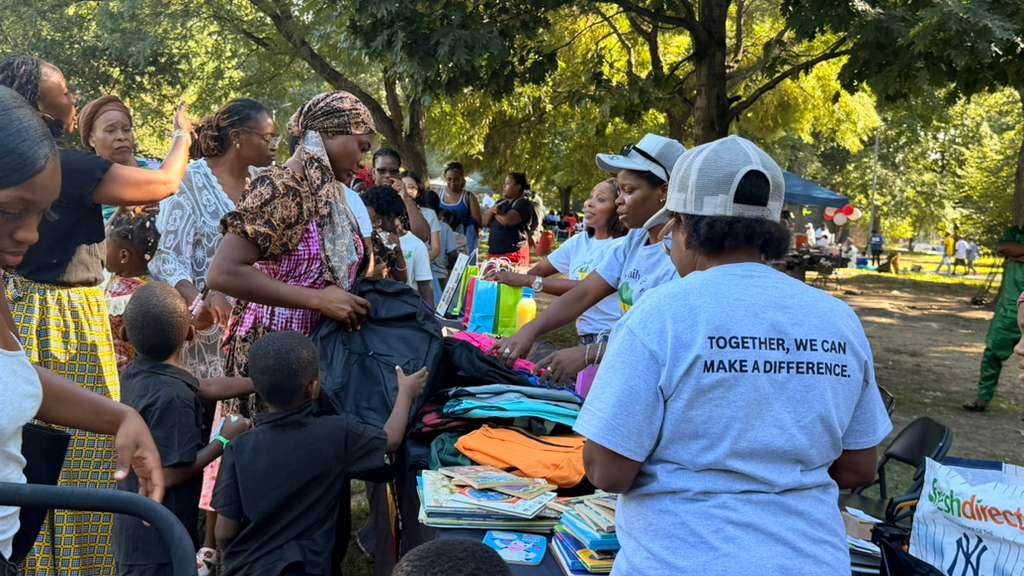
Gertrude Atongi's journey from Pusiga in Ghana's Upper East Region to Brooklyn in New York represents more than personal professional advancement—it embodies a commitment to serving communities on both sides of the Atlantic. Working as a Programme Manager at a Brooklyn hospital whilst leading the Atongi Family and Friends Basic Needs Foundation, she has created a unique bridge between her ancestral home and her adopted city, channelling years of healthcare and social work experience into tangible support for vulnerable populations.
The foundation, established in 2003 with her late father Anthony Atongi, has become a remarkable example of diaspora philanthropy in action. Even after her father's death in December 2021, the organisation has sustained and expanded its operations, driven by the family's philosophy that those who leave home should not abandon it. In Ghana, the foundation has donated essential medical equipment, beds and educational materials to health facilities, whilst also adopting and reconstructing an Islamic school in Pusiga where it continues to provide uniforms and learning resources to pupils.
Building health and education in Ghana
The foundation's impact in the Upper East has been measurable and sustained. Approximately 150 vulnerable people have been enrolled in Ghana's National Health Insurance Scheme through the organisation's efforts, whilst health screening exercises have been organised and 50 students have received support to continue their secondary education. In July 2023, the foundation launched a community feeding programme serving more than 150 vulnerable people in Pusiga with meals and financial assistance to families.
Ms Atongi's professional qualifications—which include two master's degrees in nursing and social work, plus specialist training in infant and family mental health—directly inform the foundation's approach. In September 2021, she received endorsement as an Infant Mental Health Specialist from the New York State Association for Infant Mental Health, and in 2024 became a certified Infant Family Reflective Supervisor, roles that extend her influence into professional practice across the United States.
Dual operations serving two continents
The foundation's work in New York reflects similar principles to its Ghana operations. Working from Brooklyn and Queens, it provides hot meals, hygiene products and clothing to families in shelters, partnering with local development corporations on food pantries, school programmes and holiday distributions. A Thanksgiving event at a Brooklyn family shelter in November demonstrated the foundation's commitment to building community dignity rather than merely distributing charity.
Ms Atongi's professional career spans three decades, beginning in 1993 with roles at the Brooklyn AIDS Task Force, the Jewish Child Care Association and the Port Authority of New York and New Jersey, before joining her current hospital in 2016 as a Family Support Worker Supervisor. Her responsibilities now include overseeing programmes that improve maternal and child health outcomes and strengthen family well-being—work that echoes her foundation's mission.
Why it matters for Ghana
Atongi's work exemplifies how Ghanaians in the diaspora can maintain meaningful connections to their communities whilst building successful international careers. Her foundation model—combining direct relief with systemic support like health insurance enrolment and educational advancement—offers a template for effective diaspora engagement. The sustained focus on Pusiga specifically demonstrates that diaspora philanthropy need not be scattershot; it can be concentrated and strategic, building institutional capacity over time.
For Ghana's development discourse, her work highlights the role skilled diaspora professionals can play in healthcare and social services. The foundation's partnership approach—working with local organisations like Amazing Grace Children's Charity and the International Pentecostal Mission Food Program—also shows how diaspora resources are most effective when channelled through existing local structures rather than imposing external frameworks.
As Ghana continues to develop its social protection systems and healthcare infrastructure, the energy and resources mobilised by diaspora leaders like Atongi represent an underutilised asset. Her foundation's focus on vulnerable groups—women, youth and people with special needs—aligns with Ghana's own development priorities, suggesting that stronger institutional frameworks to support diaspora giving could multiply such impact across the country.
Source: MyJoyOnline

Comments (0)
Be the first to comment.