
Ghana to overhaul cocoa law: New bill guarantees farmers 70% of export value
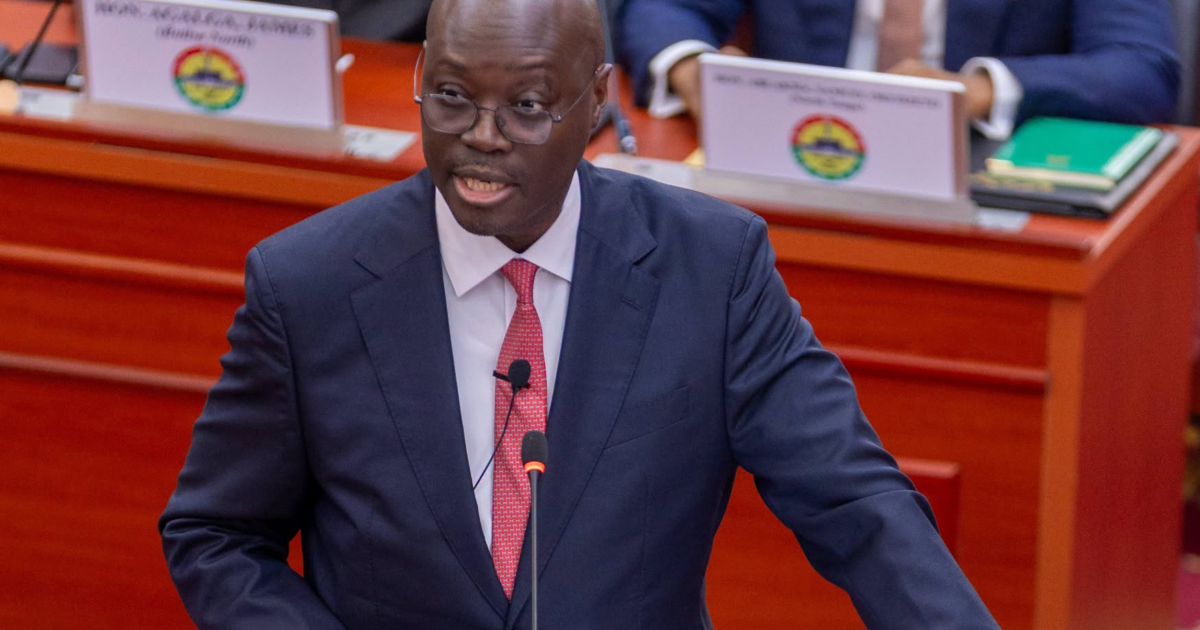

Ghana's government is preparing sweeping reforms to its cocoa sector through a new COCOBOD Bill that will replace legislation dating back four decades, Finance Minister Dr Cassiel Ato Forson announced during the 2026 Mid-Year Budget Review in Parliament. The overhaul marks a significant shift in how the nation manages one of its most critical export commodities and income sources for millions of farmers.
At the heart of the reforms is a landmark guarantee: cocoa farmers will receive no less than 70% of the gross Free-on-Board (FOB) price for their beans. This represents a substantial improvement in farmer earnings and addresses long-standing complaints about inadequate compensation in a sector that has underpinned Ghana's economy for generations.
What the new bill will change
The proposed legislation will repeal the Ghana Cocoa Board Act of 1984 (PNDCL 81), the legal framework that has governed COCOBOD operations for over 40 years. In its place, the new law will introduce a dynamic producer pricing mechanism that ties what farmers receive directly to real-world market conditions.
Unlike the current system, the new pricing structure will automatically adjust based on fluctuations in international cocoa prices, currency exchange rate movements, and other relevant market factors. This mechanism aims to protect farmers from volatile global markets whilst ensuring transparent, formula-driven payments rather than arbitrary decisions.
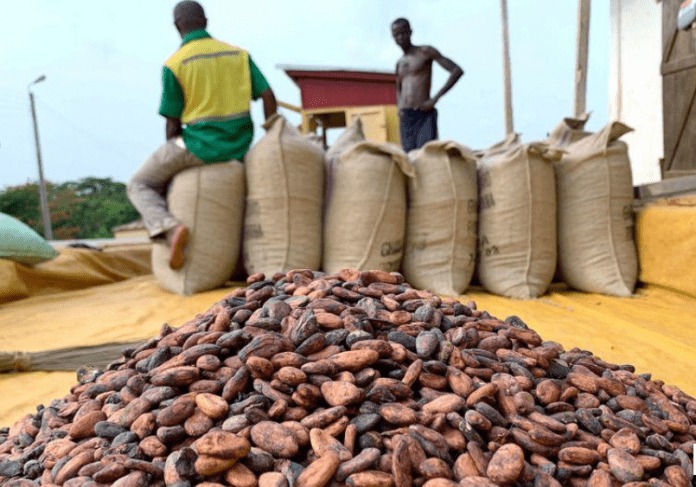
The bill also mandates aggressive local processing: at least 50% of Ghana's cocoa beans must be processed domestically. This requirement could transform Ghana's role in the global cocoa supply chain, shifting the country from a raw material exporter to a value-added producer. Local cocoa processing creates jobs in manufacturing, packaging, and distribution whilst capturing greater profit margins that currently flow to overseas processors.
Why it matters for Ghana
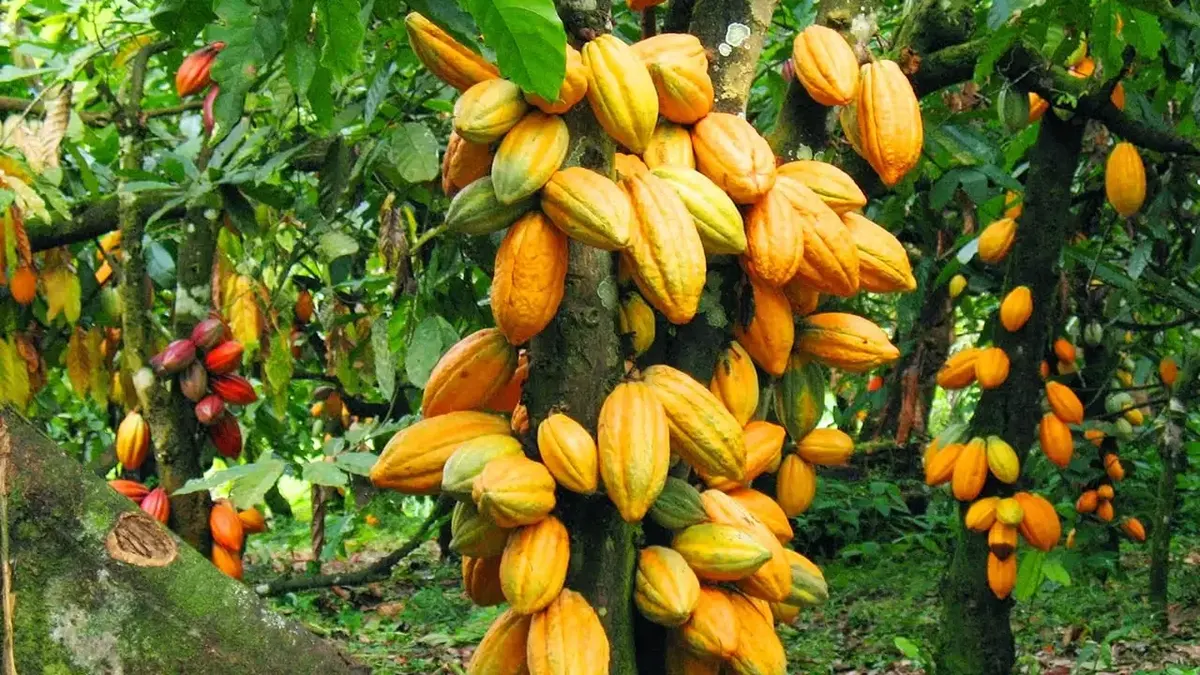
Cocoa remains Ghana's largest agricultural export and a critical source of foreign exchange, employing millions of Ghanaians either directly or indirectly. Yet farmers have long struggled with poverty despite the commodity's global importance. Guaranteeing 70% of FOB price directly addresses this imbalance and could meaningfully improve rural incomes across cocoa-growing regions in the Ashanti, Western, and Eastern regions.
The financial restructuring of COCOBOD itself is equally significant. The board has faced chronic financial difficulties that have delayed farmer payments and undermined sector confidence. A new financing framework is intended to restore long-term sustainability and operational efficiency, reducing the burden on both government budgets and farmers waiting for their money.
The local processing requirement could catalyse industrial development. Ghana currently exports largely unprocessed cocoa whilst importing cocoa-based products at premium prices. Mandating 50% local processing creates space for chocolate manufacturers, cocoa powder producers, and cocoa butter refineries to establish operations in Ghana, potentially attracting foreign investment and creating high-skilled manufacturing jobs.
The government frames these reforms as essential to position Ghana's cocoa industry for sustainable long-term growth amid increasing global competition from other cocoa producers and changing international trading dynamics. By improving farmer returns, strengthening COCOBOD's finances, and adding value locally, the reforms attempt to secure Ghana's position as a leading global cocoa producer whilst ensuring the benefits are shared more equitably across the supply chain.
Source: MyJoyOnline


Comments (0)
Be the first to comment.