
Ghana strengthens worker protections as mining industry shifts to contract model
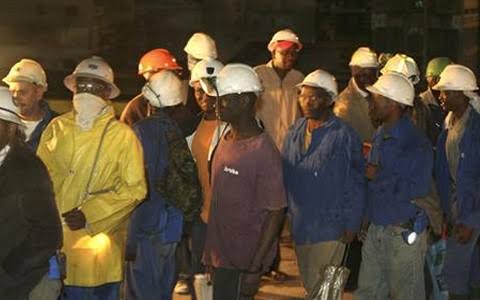

Ghana's Ministry of Lands and Natural Resources has introduced three new protective measures designed to shield mineworkers from exploitation as the country's mining sector transitions from owner mining to contract mining arrangements. The safeguards aim to ensure workers do not lose wages, benefits or job security during this significant industry restructuring, which prioritises local Ghanaian ownership of mining contracts.
The announcement comes after consultations with the Ghana Mineworkers Union, industry experts and other stakeholders who raised concerns about the transition's potential impact on workers. The government has pledged a "zero tolerance" approach to unfair labour practices as the changes take effect.
Three key protections for mining workers
The Ministry outlined three main measures the Minerals Commission must implement by November 30, 2026:
- Wage and benefits protection: Mining contractors cannot reduce workers' salaries, allowances or benefits compared to what owner mining workers received for comparable roles before the transition. Contract workers must receive equivalent compensation packages.
- Industry-wide pay harmonisation: The Minerals Commission must standardise salaries and conditions of service across Ghana's entire mining value chain, addressing longstanding disparities that stakeholders said could worsen during the changeover.
- Contractor classification: Eligible mining contractors must be categorised based on their capacity to deliver mining services, ensuring only qualified companies handle mining operations.
Local content requirement reshaping Ghana's mining landscape
These protections operate alongside Ghana's local content policy, which mandates that indigenous Ghanaian companies undertake all contract mining for surface operations. For underground mining, Ghanaian-owned companies must hold at least a 50 per cent stake in partnerships. This requirement took effect on January 1, 2025, through the sixth edition of the Local Procurement List.
The Ministry noted that multinational mining companies already operating in Ghana have successfully adapted to these local content requirements, suggesting the transition is achievable without harming operations or worker welfare.
Why it matters for Ghana
Mining remains a cornerstone of Ghana's economy, contributing significantly to government revenue and employment. The contract mining transition reflects government policy to ensure Ghanaians exercise greater ownership and control over the country's mineral wealth—a longstanding demand from civil society and workers' organisations.
However, the shift carries real risks. Contract arrangements often introduce cost-cutting pressures, and workers feared they could bear the brunt through reduced wages or weakened protections. By establishing these three safeguards before full implementation, the government signals commitment to ensuring local ownership does not come at workers' expense.
The Ghana Mineworkers Union and industry experts had raised alarms about potential wage compression and deteriorating conditions under contract mining, particularly if competition between contractors drove down labour costs. The harmonisation measure directly addresses this concern by preventing a "race to the bottom" in mining sector pay.
The zero-tolerance stance on cartelisation, bid rigging and fronting (where foreign companies hide behind Ghanaian faces) indicates the government recognises genuine local participation requires not just ownership changes but ethical implementation. Fronting schemes could undermine both local ownership objectives and worker protections if unscrupulous operators exploit gaps in oversight.
With President John Dramani Mahama's administration framing these protections as part of its "Reset Agenda," mining workers and industry observers will watch closely whether the Minerals Commission enforces these measures consistently and effectively when implementation begins next year.
Source: MyJoyOnline





Comments (0)
Be the first to comment.