Ghana's workplaces and classrooms need the Feedback Sandwich Model—here's why
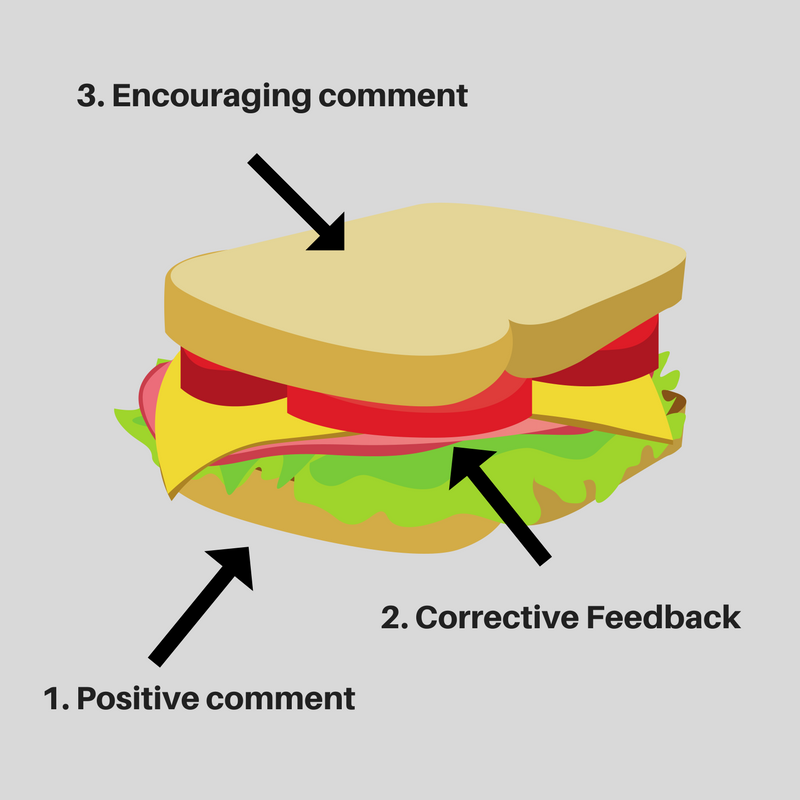
Critical feedback often stings. A student leaves the lecture hall demoralised. An employee receives a performance review that crushes rather than motivates. But what if there was a proven, human-centred way to deliver honest criticism that actually drives improvement instead of breeding defensiveness and resentment?
Dr. Linda Narh, Senior Lecturer and Programme Coordinator at the University of Professional Studies Accra (UPSA), has championed a deceptively simple technique called the Feedback Sandwich Model (FSM)—a framework that Ghanaian educators, managers and leaders across public and private sectors should seriously consider adopting.
What is the Feedback Sandwich Model?
The FSM structures feedback in three distinct layers. First, the positive opening: specific, genuine praise that highlights effort, strengths or achievements. This builds psychological safety and opens the recipient's mind to what follows. Second, the constructive middle: clearly identifying areas for improvement by focusing on behaviours and outcomes, not personal attacks. Rather than saying "your work is bad", the sandwich approach says "your argument would be stronger with more recent sources". Finally, the affirmation layer: a statement that reinforces belief in the person's potential and value, ending the conversation with encouragement rather than doubt.
The difference is profound. Imagine a lecturer telling a student: "Your delivery was confident and engaging—good work. However, your data sources are outdated; using recent peer-reviewed studies would strengthen your argument significantly. This shows real potential, and I'm excited to see what you produce next." The student leaves motivated. Compare that to blunt criticism delivered without context or encouragement, and the contrast becomes clear.
Why it matters for Ghana's workplaces and education system
Ghana's corporate and educational environments have historically leaned towards hierarchical, top-down communication. Authority figures—lecturers, managers, senior officials—often deliver feedback with little regard for how it lands emotionally. This can breed a culture where junior staff and students fear speaking up, become defensive, or disengage entirely.
Neuroscience backs up why this matters. Research from evolutionary psychology shows that social rejection activates the same brain regions as physical pain. Harsh criticism without affirmation can feel like rejection, literally triggering a threat response that shuts down learning. The sandwich model does the opposite: it activates feelings of safety and belonging, which psychologist Carol Dweck's extensive research on growth mindset shows is essential for meaningful improvement.
In Ghanaian classrooms, where students already face immense pressure, feedback that combines honest critique with belief in potential could transform academic outcomes. In corporate Ghana—where employee engagement and retention remain challenges—managers trained in FSM could reduce defensiveness and build stronger, more trusting teams.
More than a gimmick: it's about human dignity
The FSM is not about sugar-coating problems. It is about delivering truth with dignity and respect. When people feel appreciated rather than attacked, they are far more receptive to feedback. This is not soft management theory; it is grounded in organisational behaviour research and educational psychology.
In an era where much communication in Ghanaian organisations happens via emails and formal reviews—often impersonal and transactional—the sandwich brings warmth and humanity back. It acknowledges that behind every presentation, report or project is a person with hopes, insecurities and a genuine desire to contribute. That recognition alone can transform workplace culture.
The next time you need to give feedback—whether as a manager, educator or team lead—pause. Consider the person in front of you. Structure your feedback like a sandwich: balanced, filled with truth and care. Your relationships, teams and organisation will be stronger for it.
Source: MyJoyOnline



Comments (0)
Be the first to comment.