
Ghana's Silent Road Crisis: Why Ignored Traffic Signs Are Killing Ghanaians
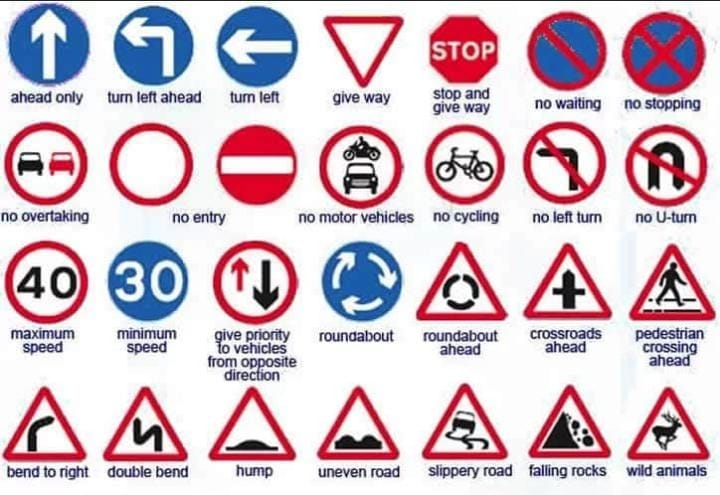
Ghana's roads are lined with silent witnesses to a national discipline crisis. Speed limit signs near Achimota School stand ignored. Zebra crossings painted bright white at Circle and Kaneshie are treated as mere decoration. Stop signs at East Legon junctions and "No U-Turn" warnings across Spintex gather dust while drivers make split-second decisions based on convenience rather than road safety regulations. The result is preventable tragedy dressed up as accident.
This is not a road infrastructure problem. Ghana has the signs. Ghana has the painted markings. Ghana even has the traffic laws. What Ghana lacks is a culture of compliance — a collective agreement that rules exist not as suggestions but as the fragile social contract that keeps people alive.
When Taxi Logic Replaces Traffic Law
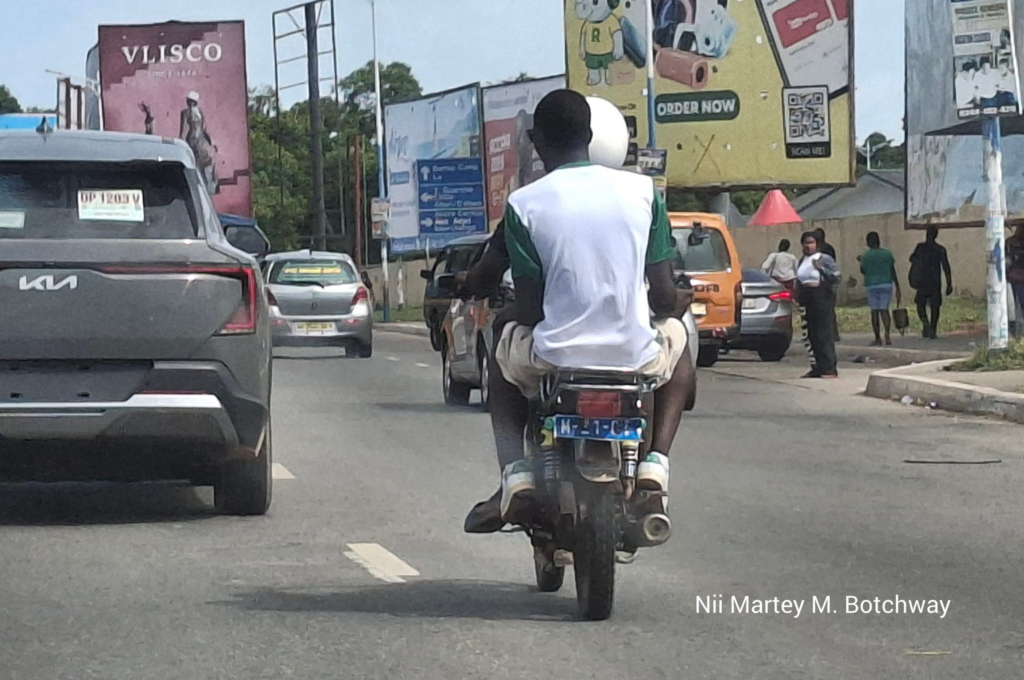
Walk through Accra and observe what actually governs the roads. A trotro stops mid-traffic at Ring Road to pick up a passenger, and the entire stream brakes and swerves in response. A taxi driver makes a sudden U-turn at Accra Mall because a passenger shouted "Left here," and Spintex adjusts. A driver sees a police checkpoint at Tesano and slows down, but spots a speed limit sign at Awoshie with no officer present and accelerates. We have, in effect, replaced the written traffic code with an unwritten one based on visible enforcement and personal urgency.
The consequence is chaos dressed in familiarity. Drivers educated only in how to operate a vehicle, not in why signs exist. Passengers silent when drivers break rules. Pedestrians forced to gamble their safety on whether a driver will stop at a zebra crossing. Road cameras mounted but not monitored. Traffic penalties issued sporadically, enforced inconsistently, and often ignored by repeat offenders.
Every ignored sign represents a calculated risk — one that occasionally ends in a funeral.
Why This Matters for Ghana
Road traffic injuries are a leading cause of death among young Ghanaians. The World Health Organization has consistently identified poor road safety practices in West African countries as a critical public health concern. When a 50 km/h speed limit near Achimota School is ignored, it is not a minor traffic infraction. It is a choice that increases the likelihood a child will not return home. When a zebra crossing at 37 Hospital is bypassed, someone trying to get to work may never arrive.
The financial cost is equally severe. Traffic congestion caused by drivers ignoring parking restrictions and lane markings wastes billions in productivity. The Tetteh Quarshie interchange gridlock that backs up to Adenta often begins with a driver ignoring a "Give Way" sign, setting off a chain reaction that affects thousands of commuters daily.
More fundamentally, this reflects a deeper crisis in civic discipline. If Ghanaians cannot agree to follow road signs, it signals a breakdown in the social compact that underpins functioning cities. It suggests that personal convenience consistently overrides collective welfare — a mindset that extends beyond driving.
What Must Change Now
Reversing this requires multiple simultaneous interventions. Driver licensing must become genuine driver education, teaching not just parallel parking but the purpose behind every sign and the consequences of ignoring it. The DVLA must ensure that before anyone operates a vehicle on Ghana's roads, they understand that a sign is not optional based on whether police are watching.
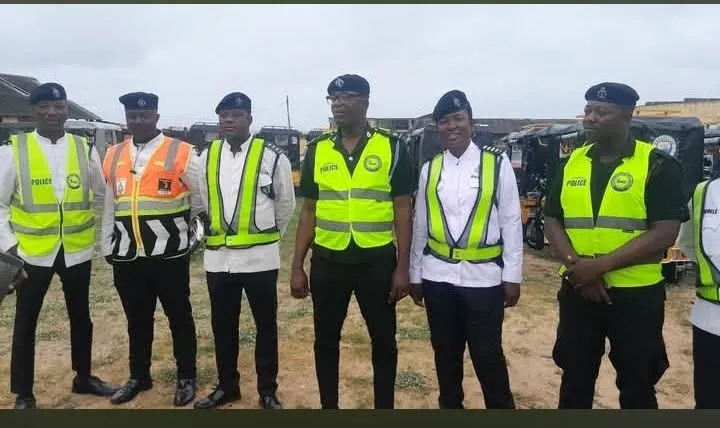
Enforcement must become consistent. Road safety cameras should be actively monitored, with traffic violations documented and penalties applied regardless of whether an officer witnessed the infraction. Repeat offenders must face escalating penalties, not slaps on the wrist. Pedestrians and passengers also need education — they are part of the system and must understand their role in demanding compliance.
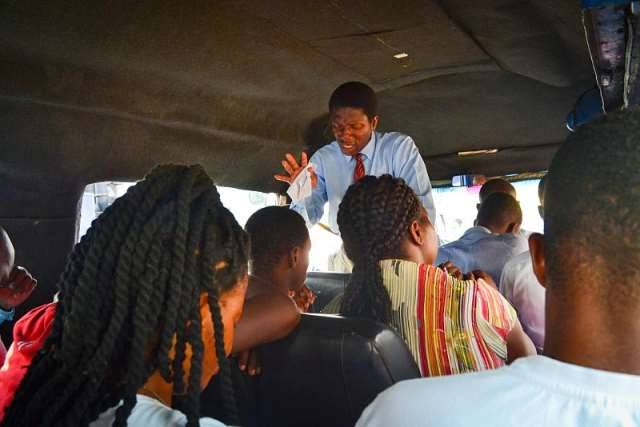
Passengers, in particular, must speak up. When a driver ignores a stop sign, passengers should object. When a trotro stops illegally, passengers should refuse to board. Social pressure, combined with legal enforcement and genuine education, can shift behaviour.
Ghana's road signs are already paid for. They are already painted. They are already standing in the sun. The only missing ingredient is the collective decision that they matter. That decision must be made now, because every day it is delayed, someone else pays with their life.
Source: MyJoyOnline
Comments (0)
Be the first to comment.