
Ghana's Power Sector Gets GHC6bn Boost, But Revenue Crisis Threatens Stability


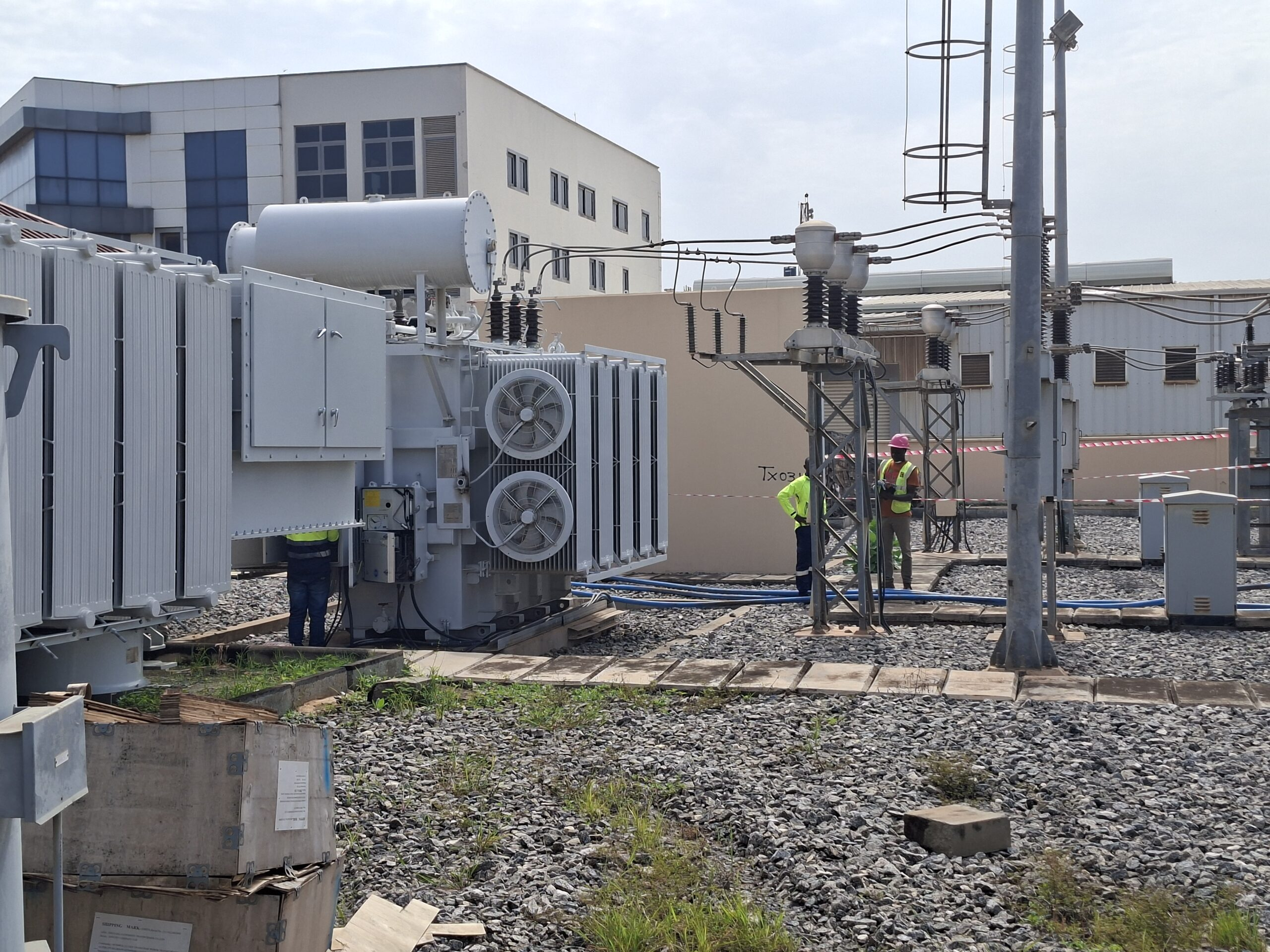
Ghana's power sector has received a significant financial injection of GHC6 billion, a move welcomed by the Centre for Economic and Social Policy (CEMSE) as a necessary step towards stabilising the troubled industry. However, the policy think tank has raised alarm over a critical weakness that could undermine these investments: the persistent failure of the Electricity Company of Ghana (ECG) to collect revenues effectively from consumers.
The allocation represents government commitment to addressing long-standing challenges in Ghana's electricity supply chain, from generation and transmission to distribution. Yet analysts warn that without solving the revenue collection crisis at ECG, even substantial budget injections may fail to deliver lasting reform.
The Revenue Collection Crisis
The ECG's poor revenue mobilisation has been identified as a fundamental threat to the sector's financial health. When utilities fail to collect payments from customers, they cannot generate the cash needed to pay generators, maintain infrastructure, or invest in network expansion. This creates a vicious cycle: unpaid bills lead to cash shortages, which limit maintenance and upgrades, which encourages further non-payment by frustrated consumers.
Ghana has struggled with this problem for years. High levels of non-technical losses—including theft and meter tampering—combined with commercial losses from customers who simply do not pay their bills, drain resources from the system. These losses are ultimately borne by taxpayers, who must subsidise the sector through government allocations like the GHC6 billion announced.
Why It Matters for Ghana
Stable, affordable electricity is essential for Ghana's economic growth. Manufacturing, mining, agriculture, and services all depend on reliable power supply. Frequent outages and high tariffs discourage business investment and increase operating costs for entrepreneurs across the country.
The government's GHC6 billion commitment shows recognition of the sector's importance. However, CEMSE's warning highlights a fundamental truth: money alone cannot fix the power sector if the underlying commercial model is broken. Revenue collection must improve for reforms to stick.
- Consumer trust: Ghanaians who experience constant outages and arbitrary billing are less likely to pay their bills, deepening the crisis.
- Economic competitiveness: Unreliable power raises costs for Ghanaian businesses competing regionally and internationally.
- Fiscal sustainability: Without improved collections, government will need to keep injecting taxpayer money indefinitely, diverting funds from health, education and other priorities.
The Path Forward
Experts suggest that alongside budget allocation, Ghana must tackle revenue collection head-on. This requires investment in modern metering technology, enforcement of payment obligations, and consumer education. It also demands that ECG strengthens its commercial operations and management to reduce losses.
The GHC6 billion allocation alone will not solve Ghana's power sector challenges. Success depends on whether the government and ECG can simultaneously improve their ability to collect revenue from the millions of Ghanaians and businesses who depend on electricity daily. Without that dual approach, the sector risks remaining financially fragile despite generous budget support.
Source: 3News


Comments (0)
Be the first to comment.