
Ghana's Nuclear Power Dream: Forson Promises 2,000 Scientists, Thousands of Jobs and US$200 Million Boost


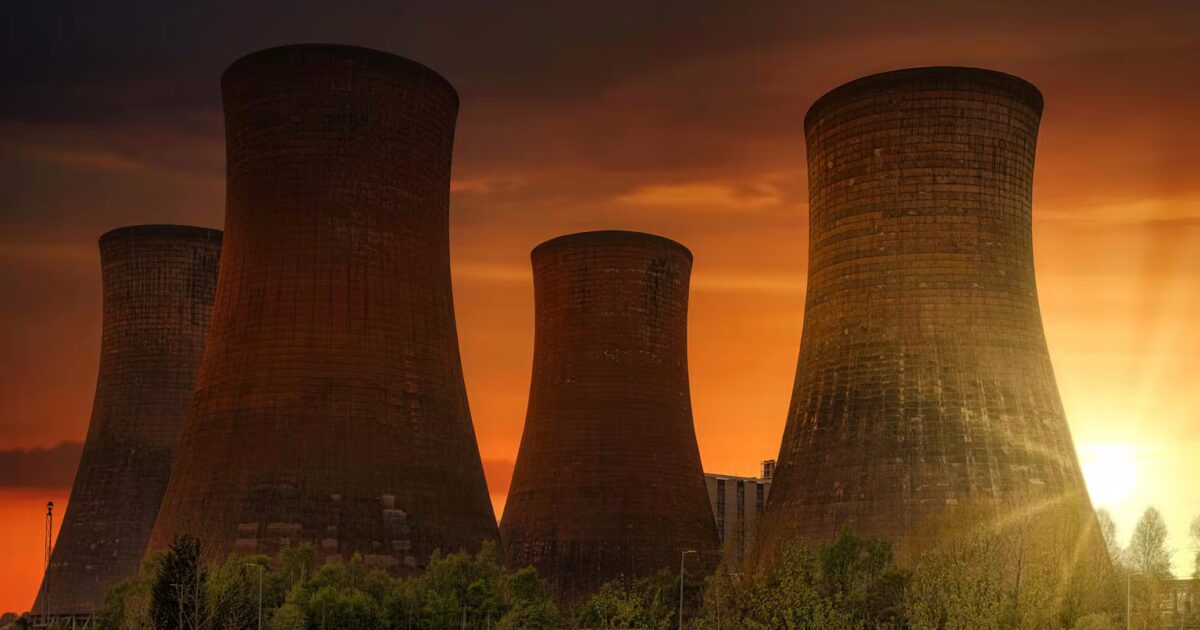
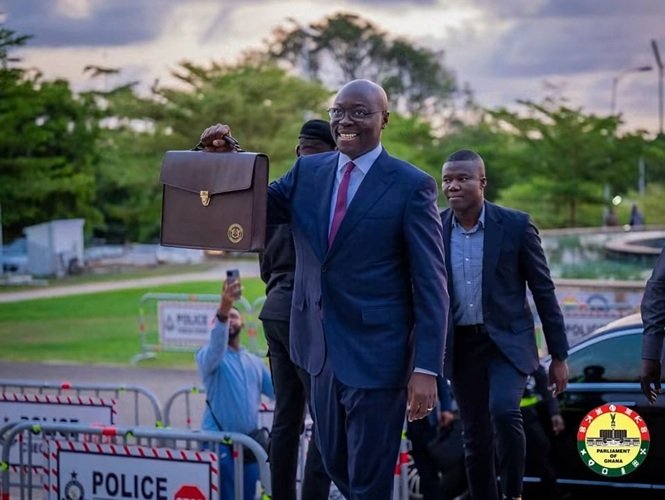
Finance Minister Dr Cassiel Ato Forson has made a bold case for Ghana's nuclear energy ambitions, declaring that the country's planned state-owned nuclear power plant will serve as a catalyst for industrial growth, employment creation and long-term energy security. Forson outlined a vision in which nuclear power moves Ghana away from its over-dependence on fossil fuels and unreliable hydro generation, placing the country on a path towards sustainable, large-scale electricity production.
What the government is promising
According to Forson, the government intends to commit US$200 million towards the nuclear energy project beginning in January 2027, signalling a serious financial commitment to what has previously been seen as a distant ambition. Beyond the financial pledge, one of the most striking announcements is a plan to train 2,000 scientists and technical personnel to support the nuclear programme. This human capital development component, Forson argues, is central to ensuring that Ghana does not simply import technology but builds genuine domestic expertise over time.
The minister stressed that the nuclear plant, which will be state-owned, is intended to power heavy industry and manufacturing — sectors that have long struggled with unreliable and expensive electricity supply. By providing cheaper and more consistent baseload power, the government believes nuclear energy could unlock investment in industries that currently find Ghana's power costs prohibitive.
Why it matters for Ghana
Ghana has wrestled with its energy sector for decades. The country has experienced persistent power crises — famously referred to locally as dumsor — driven by a combination of low water levels in hydro dams, aging thermal infrastructure, high costs of fuel imports and significant losses within the distribution network. These challenges have imposed heavy costs on businesses and households alike, and have acted as a brake on industrial expansion.
Nuclear power, proponents argue, offers a stable, high-output alternative that is not subject to seasonal rainfall variation or volatile global fuel prices. For a country seeking to industrialise and add value to its natural resources — including gold, bauxite and cocoa — a reliable and affordable electricity supply is not a luxury but a necessity.
Ghana's nuclear ambitions are not entirely new. The Ghana Atomic Energy Commission (GAEC) has been engaged in research and preparatory work for many years, and the country has worked with international partners including the International Atomic Energy Agency (IAEA) to build readiness. However, moving from planning and research to actual construction and operation has remained a significant hurdle.
Opportunities, challenges and what comes next
The announcement raises important questions alongside the considerable optimism. Nuclear power plants are among the most complex and expensive infrastructure projects any government can undertake, and timelines in the sector are notoriously difficult to meet. The 2027 start date for funding disbursement will be watched closely by observers who have seen energy sector promises in Ghana fall short before.
The commitment to training 2,000 scientists is, however, widely seen as a positive step regardless of how the broader project unfolds. A well-trained pool of nuclear scientists and engineers would benefit Ghana's energy sector, research institutions and regional standing for decades to come.
- Ghana is one of several African nations exploring nuclear energy as a solution to chronic electricity shortages and industrial power demands.
- A state-owned model, as proposed by Forson, would keep the strategic asset under public control, though it also places financial risk squarely on the government's books.
- Regional neighbours and ECOWAS partners will be watching Ghana's progress, as a successful West African nuclear project could have implications for energy cooperation across the bloc.
For ordinary Ghanaians, the ultimate measure of success will be simple: reliable, affordable electricity that powers homes, schools, hospitals and factories without interruption. If the nuclear programme can deliver on that promise, it will represent one of the most significant infrastructure achievements in the country's history.
Source: 3News


Comments (0)
Be the first to comment.