Ghana's new COCOBOD Act: balancing cocoa protection with farmers' land rights
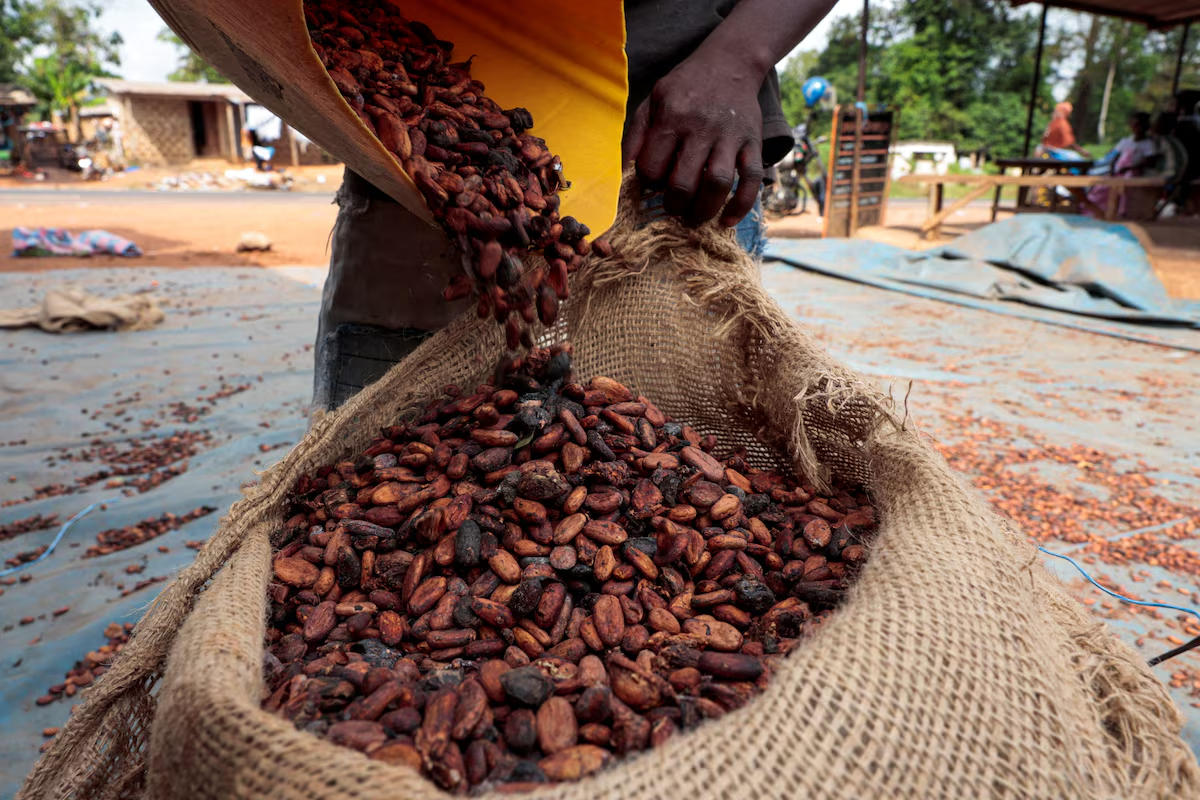
Ghana's Government has introduced strengthened legal protections for the cocoa sector through the new COCOBOD Act, designed to combat the devastating impact of illegal mining on productive farmland. However, experts are warning that key clauses in the legislation may inadvertently penalise law-abiding smallholder farmers while failing to deter the criminal actors it targets.
The Act includes Clauses 81 and 110, which regulate the conversion of cocoa farmland and impose criminal sanctions for non-compliance. Whilst the Government's intention—protecting Ghana's vital cocoa industry from galamsey destruction—is widely supported, critics argue the implementation raises serious concerns about proportionality, accessibility and constitutional fairness.
The administrative burden on smallholder farmers
Over 90 percent of Ghana's cocoa production comes from smallholder farmers, typically cultivating fewer than five acres. Many are elderly, have limited formal education, and live in remote rural communities with restricted access to government services. Under Clause 81, these farmers must obtain ministerial approval before converting cocoa farms to alternative agricultural crops—a requirement that may prove impractical in practice.
The process could require lengthy travel to government offices, navigation of unfamiliar bureaucratic procedures, preparation of formal applications, and extended waiting periods for centralised decisions. For farmers whose expertise lies in cocoa cultivation, not administrative compliance, these hurdles represent a significant barrier to lawful land-use decisions on their own property.
The concern intensifies when Clause 81 is considered alongside Clause 110, which reportedly criminalises farm conversion without ministerial authorisation. This transforms the issue from administrative inconvenience into potential criminal liability, with farmers risking prosecution for converting aging or unproductive cocoa farms to other legitimate crops such as coconut, rubber or cashew.
Why it matters for Ghana
The legislation reflects a genuine crisis: illegal mining has destroyed cocoa farms, polluted water systems, and degraded forests across Ghana. As a cornerstone of the national economy, protecting cocoa production is legitimate policy priority. However, the current approach may undermine its own objectives.
Criminal law traditionally targets conduct causing significant public harm. Whilst illegal mining warrants strong sanctions, criminalising smallholder farmers for administrative non-compliance is disproportionate. Ironically, law-abiding farmers are most likely to face consequences, whilst illegal mining operators—already operating outside legal frameworks—are unlikely to seek ministerial approval before destroying farms. This mismatch risks penalising the sector's backbone rather than its threats.
Additionally, a centralised approval system processing thousands of applications nationwide faces foreseeable risks: administrative delays, inconsistent decision-making, rising transaction costs, and opportunities for corruption. A system too cumbersome to navigate may ultimately reduce compliance rather than strengthen it.
The path forward
Ghana's cocoa sector requires robust protection against galamsey devastation. However, effective policy must distinguish between legitimate regulatory oversight and disproportionate criminal penalties. Alternative approaches—such as streamlined, decentralised approval processes; exemptions for small-scale conversions; or targeting criminal sanctions specifically at mining-related farm destruction rather than all conversions—merit serious consideration.
As Parliament examines the COCOBOD Act, balancing environmental protection with farmers' constitutional rights and practical accessibility will determine whether the legislation successfully defends Ghana's cocoa future without unjustly burdening those who make it possible.
Source: MyJoyOnline




Comments (0)
Be the first to comment.