
Ghana's Mining Law Overhaul: Communities Get Final Say on New Licences Before Accra Approves
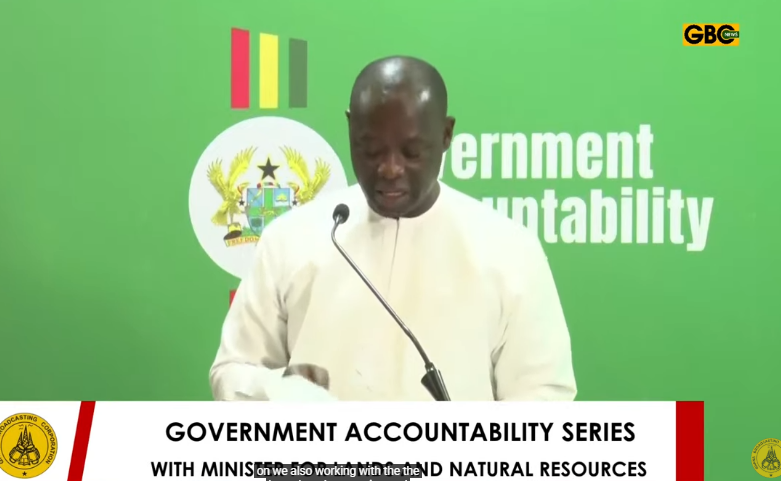
Ghana's government has moved to overhaul how mining licences are granted, placing communities at the heart of the approval process. Under proposed amendments to the Minerals and Mining Bill now being gazetted for Parliament, mining companies will be required to obtain formal recommendations from host communities before their applications can even be considered by central authorities in Accra—a significant shift in how the sector operates.
Lands and Natural Resources Minister Emmanuel Armah-Kofi Buah unveiled the changes during the Government Accountability Series on Tuesday, July 15, describing them as part of a broader push to make Ghana's mining framework more transparent, community-centred and investor-friendly. The Cabinet has already approved the revised Bill, which addresses decades of criticism that communities have had little say in mining decisions affecting their lands and livelihoods.
How the New System Will Work
The cornerstone of the reform is the establishment of District Mining Committees, formal bodies that will evaluate mining proposals at the local level before they reach national decision-makers. "Anybody who is going to be engaged in licensing will begin the licensing process with the communities. They will give the recommendations before you come to Accra," Mr Armah-Kofi Buah explained.
The Bill also proposes collapsing Ghana's existing exploration licencing system. Currently, companies can obtain both reconnaissance and prospecting licences as stepping stones to full mining rights. The new framework will replace these with a single exploration licence valid for a maximum of five years. This change is designed to tackle what the Minister called the "speculation" problem—where firms acquire large concessions, hold them indefinitely and do little actual exploration or investment.
Under the stricter regime, exploration licence holders will face clear milestones. After two years, they must demonstrate tangible progress against an approved work programme. If they pass that checkpoint, their licence can be extended for the remainder of the five-year maximum period. If they fail to show meaningful progress after five years, the concession reverts to the state. "If after five years you cannot act, we will take it from you," the Minister stated.
Why This Matters for Ghana
These reforms address long-standing tensions between mining companies, government and communities. For years, mining-affected areas have complained that their voices are ignored in favour of investor interests, even though they bear the environmental and social costs of extraction. By embedding community approval early in the licensing process, the government is attempting to prevent conflicts later—and to ensure local concerns about water, land use, health and employment are heard before concessions are granted.
The move also reflects frustration with speculative licensing practices that have fragmented Ghana's mining landscape and created uncertainty. Companies that acquire large areas without investing or exploring provide little benefit to the state or communities, yet can block other operators from accessing the same ground. The new five-year maximum for exploration licences, coupled with strict performance requirements, aims to keep the sector dynamic and focused on genuine development.
For investors, the reforms present both a challenge and an opportunity. The requirement to secure community backing adds a step to the licensing process, potentially delaying approvals. However, the government has framed the changes as creating a clearer, more predictable legal environment in the long term—one that rewards serious operators and weeds out speculators. Minister Armah-Kofi Buah emphasised that the revised Bill provides a "modern and coherent legal framework" intended to strengthen governance, promote responsible investment and ensure Ghana's mineral resources deliver greater national benefit.
The proposed amendments are now moving through the gazettal process and will soon be submitted to Parliament for debate and approval. Ghana's mining sector, which generates substantial export revenue and employment, will be watching closely to see how these changes reshape industry practice and community relations.
Source: MyJoyOnline




Comments (0)
Be the first to comment.