
Ghana Recovers Over 1,500 Acres of Mining-Scarred Land in Ashanti as Environmental Restoration Accelerates

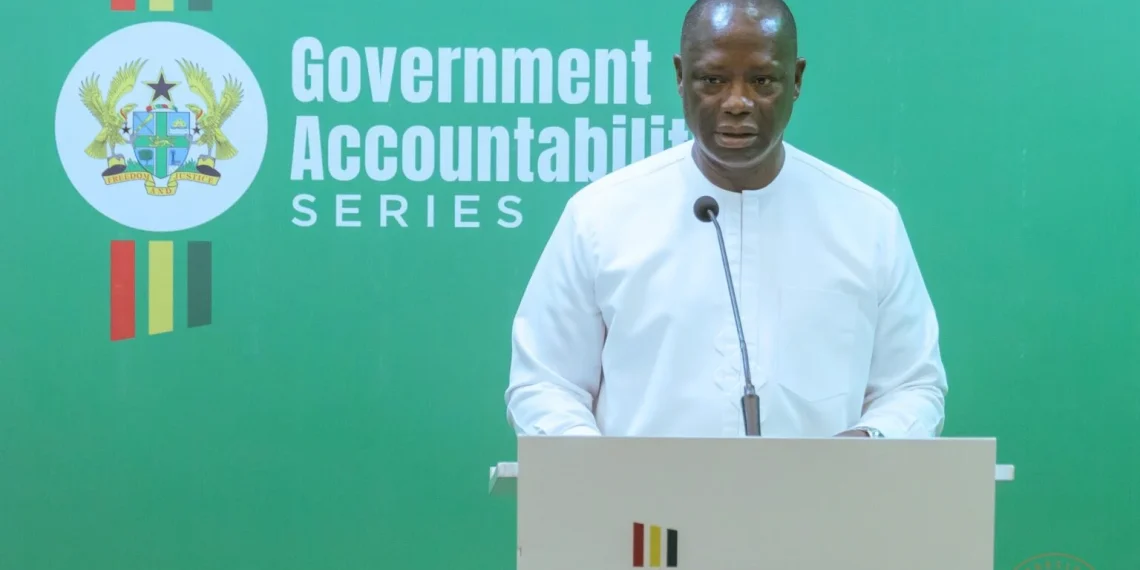
Ghana's Ministry of Lands and Natural Resources has successfully reclaimed and restored 1,535 acres of severely degraded mining land in the Ashanti Region, marking a significant step in the country's fight against the environmental devastation caused by illegal and unsustainable mining activities. Minister Emmanuel Armah–Kofi Buah announced the achievement during a Government Accountability Series briefing, emphasising that the restoration work is transforming barren, mined-out landscapes into ecologically functional environments.
The reclamation effort represents more than just land recovery—it signals a coordinated national push to address the growing environmental crisis left behind by decades of mining operations, both licensed and illicit. With the Ashanti Region serving as a focal point for these efforts, the initiative demonstrates the government's commitment to turning damaged terrain into productive land that can support agricultural, forestry, or conservation purposes.
Scaling Up Restoration Efforts Nationwide
The Ashanti achievement is just one component of a much broader restoration programme. The Ministry has secured commitments from private sector partners to reclaim an additional 1,500 acres by the end of the current year, while government agencies are independently working to restore 960 acres across degraded sites throughout the country. This multi-pronged approach—combining government action with private sector participation—suggests recognition that addressing Ghana's mining-related environmental damage requires resources and coordination beyond what government alone can provide.
The scale of these numbers underscores the magnitude of the challenge facing the nation. Mining, particularly artisanal and small-scale mining operations, has left thousands of acres across Ghana scarred, with topsoil stripped away, water bodies polluted, and vegetation completely removed. Reclaiming even a few thousand acres annually represents meaningful progress, though environmental experts would note that Ghana's total degraded mining footprint remains vastly larger.
Why It Matters for Ghana
Land restoration has become increasingly critical for Ghana's environmental and economic future. Degraded mining sites threaten water security—a pressing concern given that many communities downstream of mining areas depend on rivers and streams that have been polluted by mining runoff containing mercury and cyanide. Recovered land can be redirected toward agriculture, reforestation, or conservation, helping to rebuild Ghana's forest cover and support rural livelihoods that have been disrupted by mining expansion.
The restoration initiative also signals a shift in how government is tackling illegal mining, a scourge that has plagued Ghana for over a decade. Rather than focusing enforcement efforts alone, the strategy combines efforts to stop ongoing illegal activities with remediation of lands already damaged. This dual approach acknowledges that enforcement without restoration leaves communities with permanently scarred landscapes and poisoned water sources.
For Ashanti Region specifically, which has borne the heaviest environmental burden from both legal and illegal mining, land recovery offers hope for ecosystem rehabilitation and community resilience. Restored lands can support water retention, which is vital in a region where water stress is increasing. They can also serve as buffers for remaining forests and agricultural land, helping to protect what remains of the region's natural capital.
The Bigger Picture
The government's reclamation work complements parallel efforts to tighten mining regulations, arrest illegal miners, and protect Ghana's remaining forest reserves and water bodies. However, restoring degraded land is painstaking work that requires sustained funding, technical expertise, and community engagement. The involvement of private sector partners suggests the Ministry recognises that success depends on shared responsibility and long-term commitment.
As Ghana continues to rely on mining revenues while grappling with its environmental costs, initiatives like this land reclamation programme represent an attempt to strike a balance—extracting mineral wealth whilst ensuring that the landscapes and water systems future generations depend on are not permanently destroyed.
Source: MyJoyOnline



Comments (0)
Be the first to comment.