Ghana's Labour Minister Hails Breakthrough in 2025 Wage Talks as Both Sides Find Middle Ground

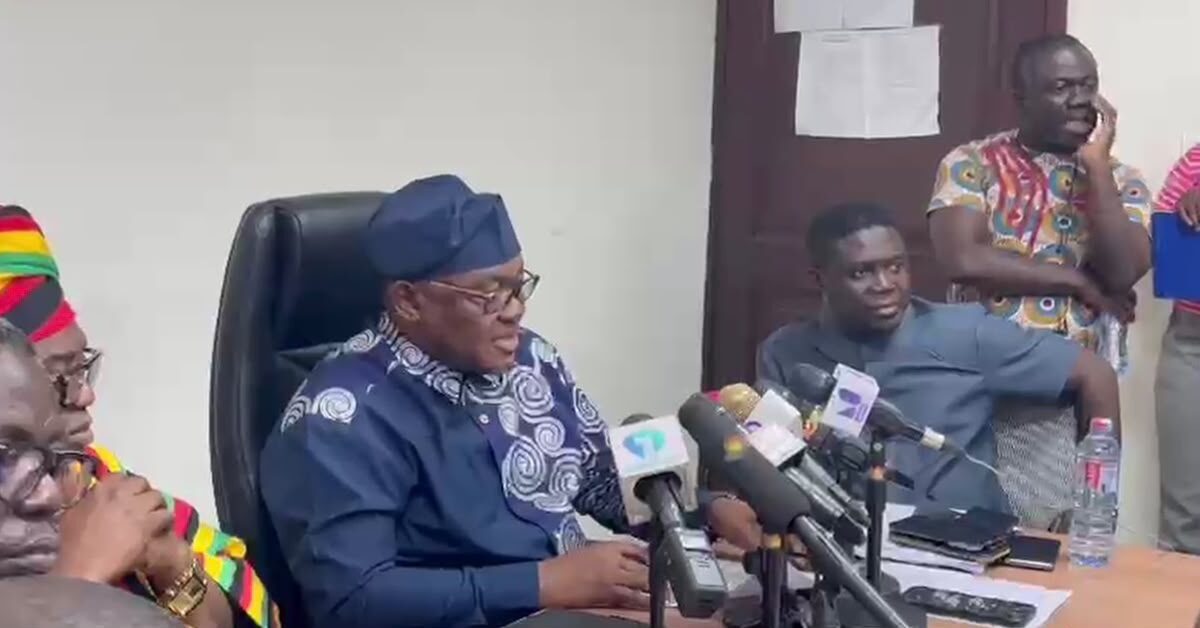
Ghana's Labour Minister has commended organised labour unions for their willingness to negotiate pragmatically during the 2025 salary negotiations, signalling a resolution to wage discussions that had threatened industrial disruption. The minister's comments underscore a successful conclusion to delicate talks between government, employers and worker representatives, where both sides acknowledged competing pressures and agreed to find workable solutions.
What the compromise means
The negotiations reflected the reality facing many African economies: government budgets are constrained by debt servicing, inflation control and infrastructure needs, yet workers face genuine hardship from cost-of-living increases. By finding middle ground, organised labour avoided the kind of strikes and industrial action that can further damage Ghana's economic prospects whilst government acknowledged legitimate worker grievances. The minister's praise suggests this outcome was far from guaranteed—it required restraint and flexibility from both parties.
This year's negotiations were particularly significant because Ghana's economy remains under pressure. The International Monetary Fund programme, ongoing inflation concerns and currency stability issues have limited government's fiscal space. For workers, however, the cost of food, transport, utilities and healthcare continues rising, making wage growth essential for maintaining living standards.
Why it matters for Ghana
Successful labour negotiations are crucial for Ghana's economic stability and social cohesion. When government and unions reach agreements without acrimony, it creates predictability for businesses, protects public services from disruption and demonstrates that Ghana's institutions can manage competing interests through dialogue rather than confrontation. This matters particularly as Ghana positions itself as a stable investment destination in West Africa.
The willingness of organised labour to compromise, despite real pressures on workers, also reflects maturity in Ghana's labour movement. Unions could have pursued more aggressive strategies—lengthy strikes, public campaigns or go-slow tactics—but chose negotiation. This approach, though sometimes frustrating for workers seeking larger gains, ultimately protects jobs and livelihoods better than confrontational tactics that can drive businesses to cut staff or relocate.
For ordinary Ghanaians, the outcome means greater job security and continued economic activity. Teachers, healthcare workers, public servants and other organised workers will receive wage adjustments, though likely more modest than ideal. The stability prevents the kind of public service paralysis that hurts citizens reliant on government services.
The broader context
Ghana's organised labour sector, represented by umbrella organisations, has historically played a pivotal role in the country's industrial relations. These negotiations happen annually, typically generating tension but usually concluding before critical deadlines. The 2025 round appears to follow this pattern, with unions securing some gains whilst government managed its fiscal constraints.
Looking ahead, the real test will be whether the agreed terms actually improve workers' purchasing power given ongoing inflation, or merely slow its erosion. The minister's framing of 'common ground' suggests both sides accepted that perfect solutions are impossible—but imperfect compromise beats the costs of conflict.
Source: 3News

Comments (0)
Be the first to comment.