Ghana's Digital Economy Under Siege: Why Fraud Prevention Needs More Than Technology
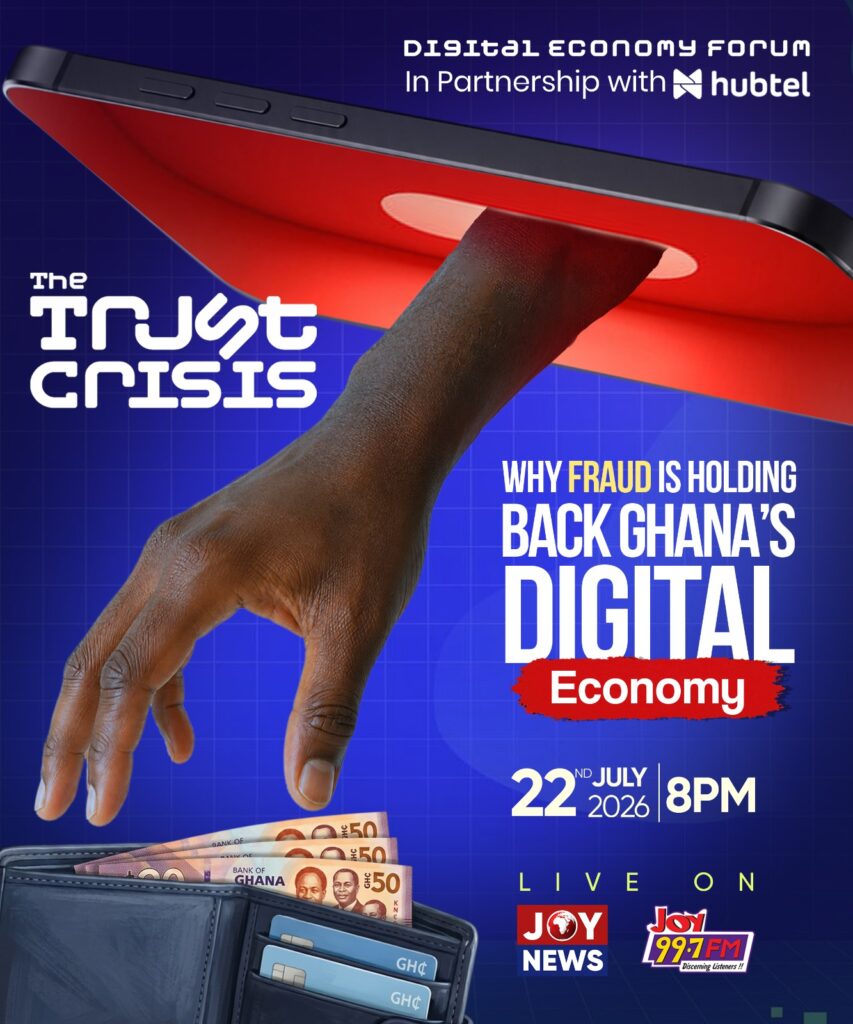
Ghana's booming digital economy faces a critical vulnerability: the human and institutional gaps that enable fraudsters to operate with near-impunity. As mobile money transactions soar and more Ghanaians embrace online banking and digital payments, a new documentary and national forum are shining a spotlight on what experts call the missing "capable guardians" that should protect consumers from rising fraud.
Dr. Albert Antwi-Boasiako, founder of the e-Crime Bureau, argues that digital fraud is not simply a technology problem—it thrives where awareness is low, detection systems are weak, and enforcement is poor. Speaking ahead of Ghana's maiden Digital Economy Forum scheduled for July 2026, he outlined a sobering reality: fraudsters make rational, calculated decisions. They strike when the reward is high, the chance of detection is low, and the consequences feel distant.
The Scale of the Problem
The numbers underscore the urgency. Ghana's mobile money ecosystem processed approximately GH¢3.01 trillion in transaction value during 2024, up sharply from GH¢1.92 trillion in 2023. Transaction volumes reached 8.1 billion, compared to 6.8 billion the previous year. This explosive growth in digital adoption has created new opportunities—but also new vulnerabilities.
The Bank of Ghana's 2024 fraud report reveals the human cost. Payment service providers alone recorded 15,673 fraud cases during the year, with the value at risk in the sector climbing by 18 percent to approximately GH¢19 million. These figures represent not just money lost, but eroded consumer confidence in the digital platforms that are supposed to modernise Ghana's economy.
Impersonation emerges as a particularly dangerous fraud type. Criminals impersonate legitimate businesses and service providers, exploiting the fact that many Ghanaians now identify companies and execute payments through social media pages, WhatsApp numbers, and online platforms rather than official channels. This creates a trust vacuum that fraudsters are eager to fill.
Why This Matters for Ghana
As Ghana aspires to deepen its digital economy and reduce cash-based transactions, the fraud crisis poses a genuine threat to that ambition. Without robust protections, consumers will lose confidence in mobile money, fintech apps, and online marketplaces—the very tools needed to drive financial inclusion and economic growth.
Dr. Antwi-Boasiako emphasises that "capable guardians" must operate at multiple levels. These include educated users who recognise fraud tactics; businesses that verify their legitimate online channels; payment platforms with systems to flag unusual behaviour; regulators who enforce standards; and law-enforcement agencies equipped to investigate and prosecute offenders. The absence of any one layer weakens the entire chain.
Ghana's central bank has acknowledged this challenge, focusing on oversight of payment system players to keep risks minimal. However, the gap between oversight and enforcement remains visible. When criminals believe detection is unlikely and consequences are weak, they act. The current enforcement landscape—from investigation to prosecution—appears insufficient to deter sophisticated fraudsters operating across digital borders.
A Collective Responsibility
Solving the fraud crisis requires more than regulatory tinkering. Government, private businesses, digital service providers, and individual users all bear responsibility. Dr. Antwi-Boasiako stresses this is fundamentally a social and cultural issue, not merely a technical one.
The Digital Economy Forum, organised by Hubtel and airing on JoyNews and Joy FM, aims to bring these stakeholders together—regulators, banks, fintech companies, telecoms firms, cybersecurity experts, and consumers—to confront the trust crisis head-on. This dialogue is overdue.
Ghana's digital economy cannot reach its potential if citizens fear using the platforms that enable it. The path forward requires investment not just in payment infrastructure, but in the awareness, systems, and enforcement mechanisms that protect users from exploitation. Without this commitment, fraud will continue to be the invisible tax on Ghana's digital future.
Source: MyJoyOnline




Comments (0)
Be the first to comment.