
Ghana's Foreign Ministry Vows Digital Overhaul of Attestation Service After Corruption Exposé
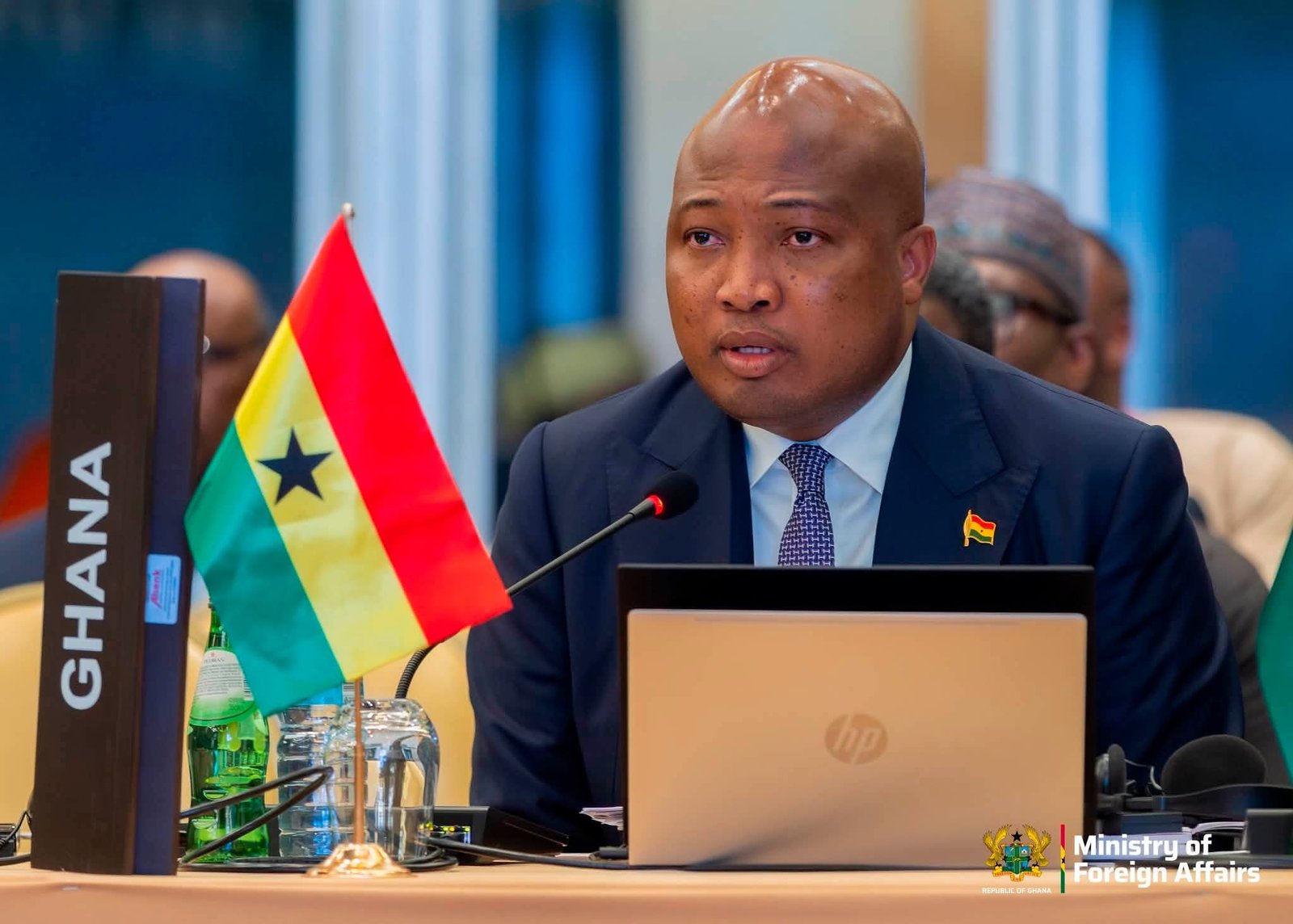

Ghana's Ministry of Foreign Affairs has pledged sweeping reforms to its attestation service, including a shift to fully digital processing and cashless payments, after investigative journalists exposed how fraudsters exploit the system to fleece Ghanaians seeking authenticated government documents.
The Ministry issued a statement on Thursday commending The Fourth Estate for an undercover investigation published a day earlier, which revealed how unscrupulous intermediaries profit by charging desperate citizens inflated fees to expedite attestations—the official verification that documents are genuine copies of government records.
Tackling the Middleman Problem
The attestation process has become a notorious bottleneck in Ghana's bureaucracy, with queues stretching for hours and vulnerable applicants—often those needing documents urgently for overseas travel, education or employment—prey to middlemen offering shortcuts for unauthorised fees far exceeding the official GH¢200 charge.
The Ministry confirmed that one individual implicated in The Fourth Estate's investigation has already been sanctioned by his institution, referred to law enforcement and banned from the Foreign Ministry's premises. The Ministry stressed it operates a zero-tolerance policy towards such facilitators and warned the public that using middlemen is strictly illegal.
However, the Ministry acknowledged a systemic challenge: attestation involves multiple government agencies across different branches, creating coordination gaps that middlemen exploit. The reforms now underway aim to eliminate these vulnerabilities entirely.
Digital Transformation on the Horizon
The centrepiece of the Ministry's reform agenda is digitisation of the entire attestation pipeline. Plans include moving to cashless payment systems—with fees collected only through official banking channels by Controller and Accountant-General's Department officials—and developing online platforms to handle applications, processing and document collection.
The Ministry expressed confidence that these reforms will deliver results comparable to Ghana's overhaul of its passport system, where digitalisation dramatically reduced processing times and corruption. Digital systems create audit trails, reduce human discretion and make it harder for fraudsters to operate in the shadows.
Why This Matters for Ghana
Attestation fraud represents a hidden tax on Ghanaians seeking to study, work or migrate abroad, disproportionately affecting lower-income citizens who cannot afford inflated middleman fees. The problem also damages Ghana's international reputation: potential employers and universities abroad view unnecessary delays and questionable authentication as red flags about institutional reliability.
The coordination challenge the Ministry identified is significant—attestation requires verification from multiple bodies including educational institutions, the Police and other agencies. The ongoing push for better inter-agency coordination, which the Ministry notes has been underway for months, reflects recognition that piecemeal solutions fail when institutions do not communicate effectively.
These reforms, if executed, would represent a meaningful step towards formalising Ghana's digital government agenda. They also underscore the value of investigative journalism in Ghana: The Fourth Estate's exposé prompted an immediate institutional response and accelerated a reform agenda that had been languishing.
The Ministry encouraged citizens with complaints or enquiries about attestation to contact it directly, reaffirming its commitment to transparency and ethical standards. For now, the public should note the official fee remains GH¢200, payable only to government collectors issued with official receipts—anyone quoting higher sums through intermediaries is attempting fraud.
Source: The Ghanaian Times




Comments (0)
Be the first to comment.