Gyampo Condemns Timing of Manhyia South MP Arrest Attempt, Defends EOCO Official
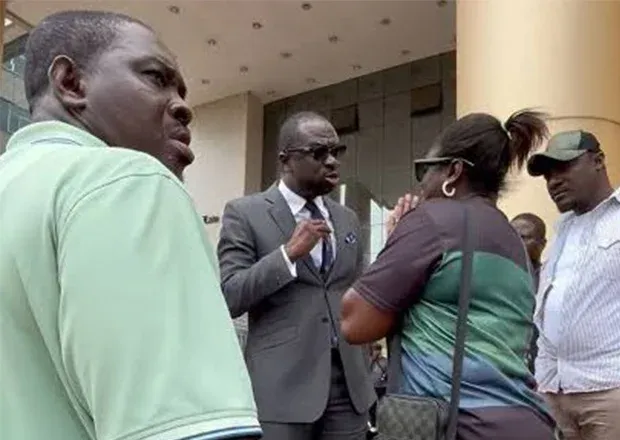
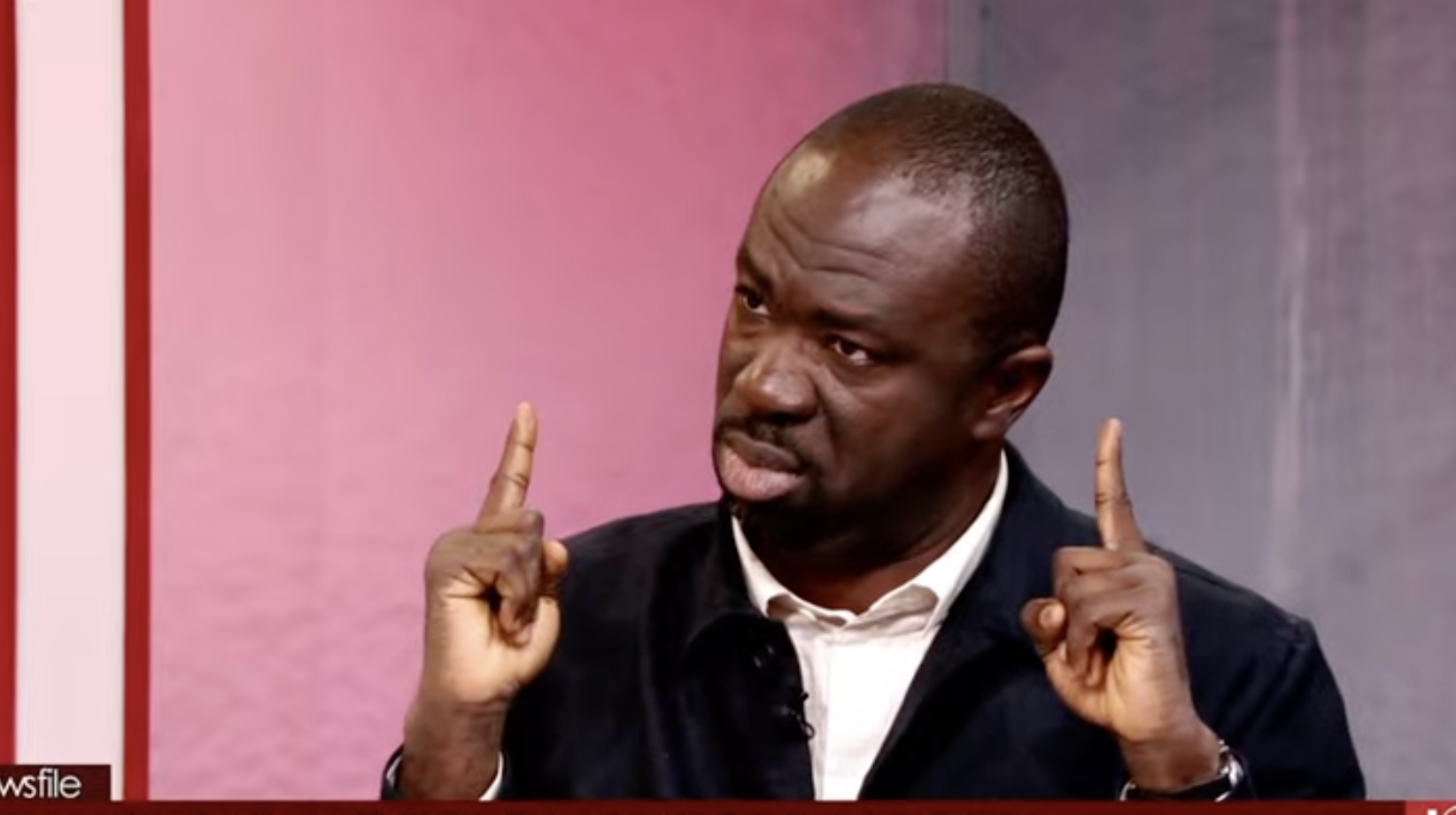
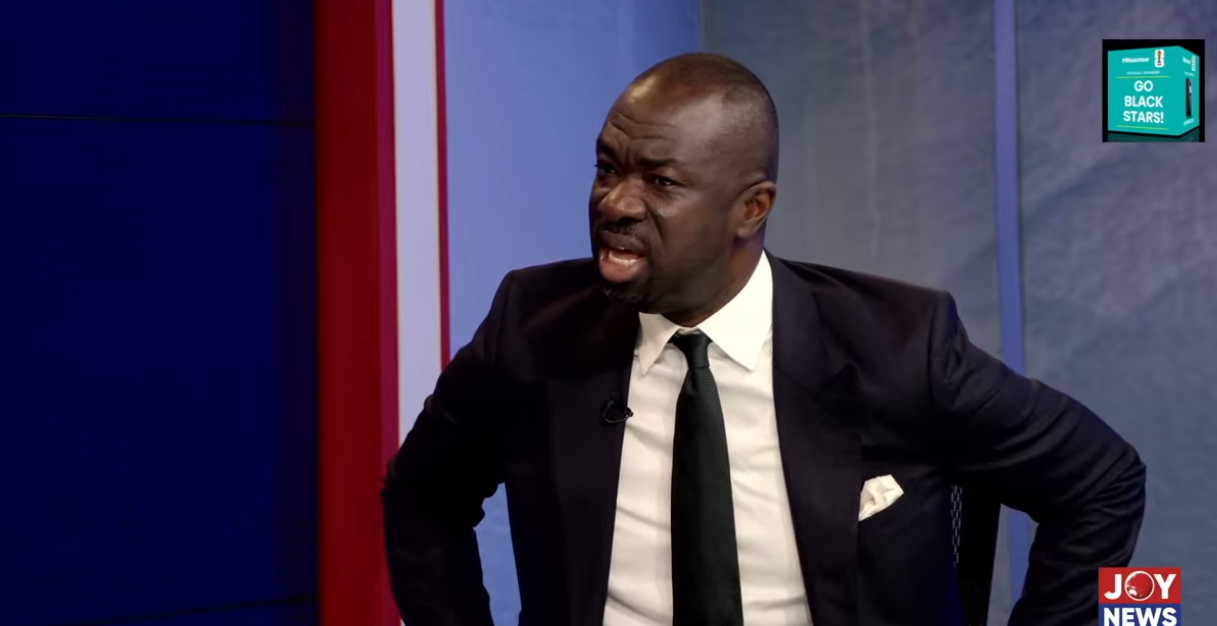
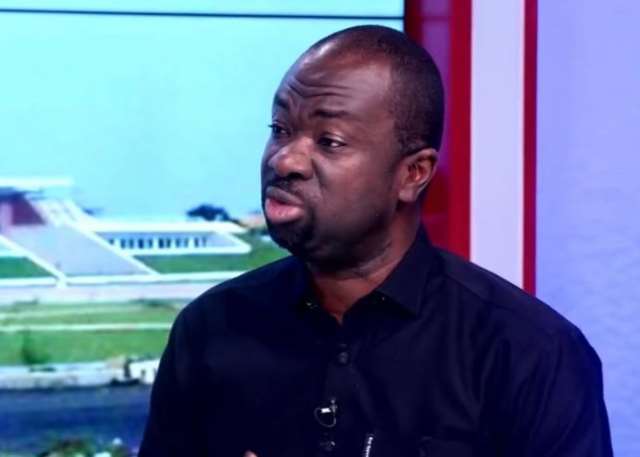
Political scientist and University of Ghana lecturer Prof Ransford Gyampo has waded into the controversial attempted arrest of the Manhyia South Member of Parliament, acknowledging concerns about the timing whilst defending the Economic and Organised Crime Office (EOCO) official involved in the incident.
The attempted arrest, which has sparked significant debate within political circles, centred on the manner in which security officials approached the MP. Prof Gyampo's intervention signals growing concern among academics and political analysts about how law enforcement agencies conduct arrests of high-profile political figures, particularly those with parliamentary immunity considerations.
The Core Issue: Timing and Procedure
Prof Gyampo's statement underscores a critical distinction in the controversy—whilst he concedes that the timing of the arrest attempt was questionable, he has stopped short of condemning the EOCO official who was reportedly manhandled during the process. This nuanced position reflects broader anxieties within Ghana's political and civil society circles about balancing accountability with procedural propriety.
The incident raises important questions about how law enforcement communicates with parliamentary figures and the protocols that should govern arrests of MPs. Ghana's Constitution grants certain protections to legislators, and any enforcement action must navigate these legal frameworks carefully.
Why It Matters for Ghana
This case sits at the intersection of several critical issues for Ghanaian democracy: the independence of anti-corruption agencies, parliamentary privilege, rule of law, and public trust in institutions.
- Anti-corruption enforcement—EOCO's credibility depends on pursuing investigations impartially, regardless of political status
- Parliamentary accountability—MPs must not enjoy blanket immunity from legitimate legal processes, yet proper procedures must be followed
- Institutional respect—How security agencies treat officials during enforcement actions reflects broader democratic health
Prof Gyampo's intervention is significant because academics and analysts wield considerable influence in shaping public discourse and institutional accountability. His acknowledgement that timing concerns are valid may encourage EOCO and relevant authorities to review their procedural guidelines for high-profile arrests.
The Broader Conversation
The incident reflects tensions that many African democracies face—maintaining independent anti-corruption institutions whilst respecting constitutional protections for elected officials. Ghana has invested in strengthening EOCO as a specialised anti-crime agency, and public confidence in its work depends on both technical competence and procedural fairness.
Going forward, stakeholders including Parliament, EOCO, and the Attorney General's Office may need to establish clearer protocols for arrest attempts involving MPs. Such guidelines could specify advance notification procedures, appropriate venues for arrest, and coordination mechanisms that respect both immunity rules and investigative prerogatives.
The controversy also highlights the importance of civil society and academic voices in scrutinising state action. Prof Gyampo's balanced critique—acknowledging procedural concerns whilst defending the official involved—models how Ghanaians can engage critically with governance issues without defaulting to partisan positioning.
Source: 3News

Comments (0)
Be the first to comment.