
Ghana's FDA Seizes Over 2,100 Dangerous Alcohol-Energy Drink Bottles in Nationwide Crackdown
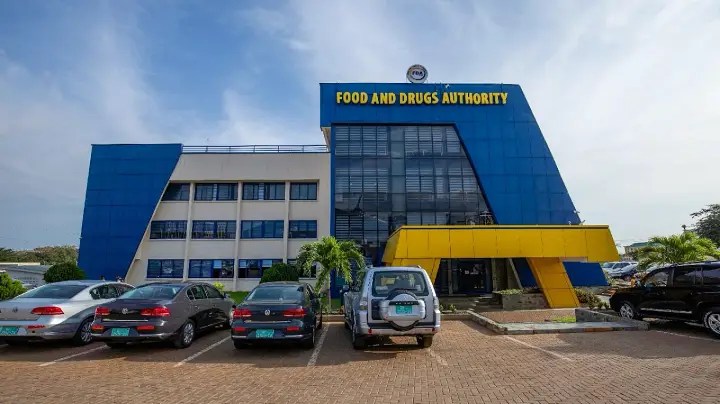

Ghana's Food and Drugs Authority has followed through on a quiet but serious warning issued in February, launching a nationwide enforcement operation in late April that has removed over 2,100 bottles of dangerous alcohol-energy drinks from the market. Working alongside the Ghana Police Service, the FDA's Market Surveillance Team conducted raids across communities, confiscating products including Bullet Vodka Drink, Vody Vodka Mixed Drink, Cody's Vodka Energy Drink, Jojo Carbonated Vodka Mix, and Bel Ice Vodka Energy Mix Drink, among others.
Why These Drinks Are Dangerous
The core issue is straightforward but serious: these beverages combine alcohol—a central nervous system depressant—with powerful stimulants such as caffeine, inositol, kola nut, glucuronolactone, ginseng and guarana. This combination creates a dangerous pharmacological effect. The stimulants mask the body's natural warning signs of intoxication, causing drinkers to feel less drunk than they actually are. This false sense of sobriety leads consumers to drink more than they should, increasing the risk of alcohol poisoning, liver damage, and other serious health complications. The stimulants can also elevate heart rate and blood pressure to dangerous levels when mixed with alcohol.
Ghana's Overdue Response
While this may feel like a sudden move by Ghanaian regulators, health authorities in many developed nations banned or heavily restricted such drinks years ago. The United States, European countries, and other nations recognised the public health risk and acted decisively. Ghana, it seems, is now catching up—and doing so with real enforcement teeth. The FDA's decision to issue a deadline (31 March 2026) and then back it up with actual street-level enforcement demonstrates a shift toward protecting consumer health over commercial convenience.
Some traders appear to have ignored the initial directive, perhaps betting the FDA would not follow through. They miscalculated. The joint operation with the police service sent a clear message that this was not merely a suggestion.
What Happens Next and What You Should Do
For now, many of these branded products should disappear from shelves. However, consumers should remain vigilant. Some manufacturers may attempt to relaunch these drinks under new brand names or reformulated versions that still contain problematic stimulant-alcohol combinations but with slightly different ingredient lists. Others may pause production temporarily, hoping for a shift in enforcement priorities.
The most practical advice: read the label on any alcoholic beverage you buy, especially energy drinks, mixed drinks, or less mainstream brands. If you see caffeine, guarana, ginseng, inositol, or glucuronolactone listed on an alcoholic product, reconsider your purchase. These ingredients have no place in alcohol.
This enforcement action is a rare win for consumer protection in Ghana's informal marketplace. It proves that when the FDA and police work together, they can move products that pose real health risks. The question now is whether this momentum continues, and whether consumers themselves start paying closer attention to what they consume.
Source: Ameyaw Debrah


Comments (0)
Be the first to comment.