
FDA and CPA seize 4 million counterfeit baby diapers in nationwide crackdown
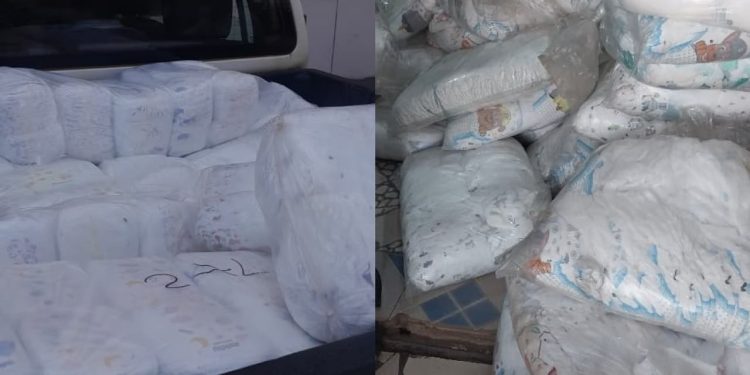

Ghana's Food and Drugs Authority (FDA) and Consumer Protection Agency (CPA) have removed over four million fake, unregistered and non-compliant baby diapers from circulation in a major nationwide enforcement operation aimed at safeguarding infant health and consumer safety.
The market surveillance exercise, which intensified in September 2026, represents a significant push by regulators to eliminate substandard baby-care products from Ghanaian retailers. Nana Prempeh Okogyeabour Aduhene, Executive Director of Mediation and Arbitration at the CPA, confirmed the scale of the operation, describing the seizures as part of a comprehensive campaign to enforce Ghana's regulatory standards across the entire nation.
Regional operations and enforcement details
The latest phase of the crackdown began in the Western Region, with teams conducting systematic inspections of shops and business premises in Takoradi and Tarkwa. In Takoradi alone, authorities seized non-compliant products from multiple retailers including Kadiesoa Mothercare, Akosua Ventures, El-Vitessa Enterprise, Diaper House, R. Boys Everyday Needs, Kari-J Essentials and King C Ventures. The operation subsequently expanded to Tarkwa, targeting enterprises including Clevid Enterprise, Claxvis, Gladys Kwofie Anum Ventures and Brecom Enterprise. Among the products seized were unbranded variants and Softcare diapers that failed to meet regulatory compliance standards.
The FDA and CPA have signalled that enforcement activities will extend to the Bono Region and other areas not yet covered, with the campaign expected to continue through the end of 2026. Regulatory authorities have issued a clear warning to businesses: any retailer or distributor stocking baby-care products that do not meet Ghana's strict regulatory requirements faces potential legal action and product seizure.
Why it matters for Ghana
This enforcement operation addresses a critical public health concern affecting Ghana's youngest citizens. Counterfeit and unregistered baby diapers pose genuine risks to infant skin health and hygiene, potentially causing infections, allergies and other dermatological complications. Many fake products lack proper quality control, sterilisation processes and safety testing, leaving babies vulnerable to contamination and harmful materials.
For Ghanaian parents and guardians, the campaign provides reassurance that regulatory bodies are actively working to protect children from unsafe imported or locally produced imitation products. The scale of the operation—spanning multiple regions and involving millions of units—suggests that counterfeit diapers have become a significant problem in Ghana's retail sector, likely driven by lower prices that attract cost-conscious consumers unaware of safety risks.
The crackdown also sends an important economic signal to legitimate retailers and importers: compliance with FDA and CPA standards is not optional. Businesses that have invested in sourcing genuine, registered products gain competitive advantage, while unscrupulous traders face confiscation and potential prosecution. This approach aims to level the playing field and protect legitimate commerce.
Broader consumer protection implications
This operation reflects broader concerns about counterfeit consumer goods in Ghana, particularly in essential categories affecting vulnerable populations such as infants. Similar surveillance efforts may be extended to other baby-care and health-related products in future, establishing a precedent for more rigorous market monitoring.
Consumers are advised to purchase baby diapers from reputable retailers and to check product packaging for FDA registration marks and compliance certification. Parents concerned about product authenticity can report suspicious retailers to the CPA hotline or the FDA's consumer complaint portal.
Source: The Ghana Report




Comments (0)
Be the first to comment.