Ghana's EV Industry Unites to Push for Import Duty Reform and Lower Vehicle Costs
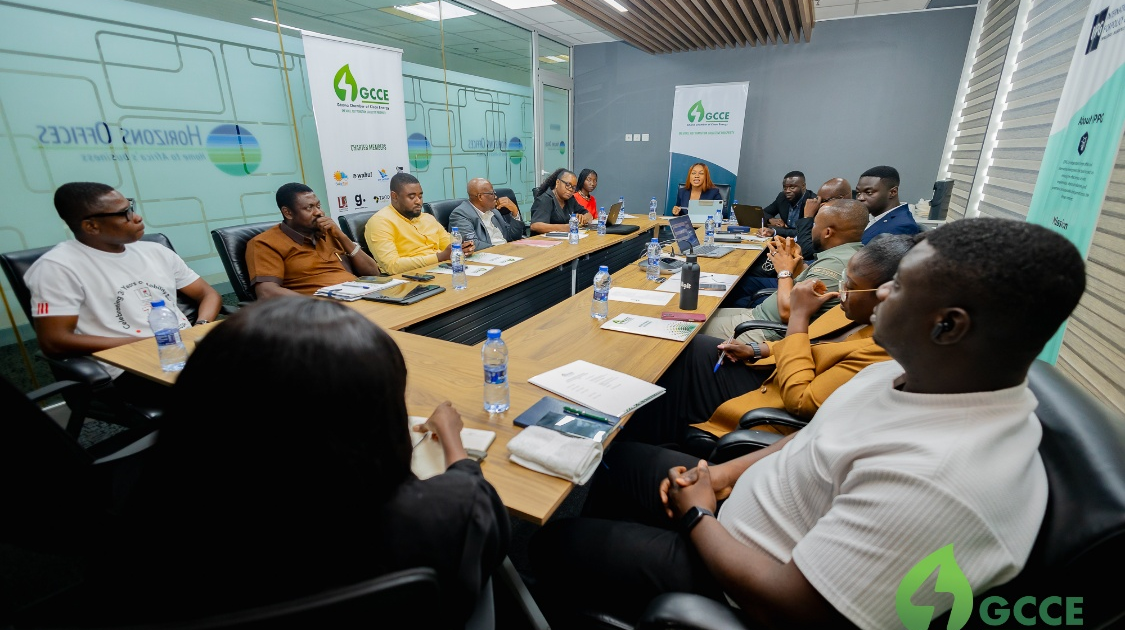
Ghana's emerging electric vehicle sector has taken a significant step towards unified advocacy, with the Ghana Chamber of Clean Energy convening an inaugural EV Working Group to tackle one of the industry's most pressing challenges: prohibitively high import duties that are stalling mass adoption.
The July 2026 meeting brought together major players including EcoDrive, Solar Taxi, Grace Mobility, Leasafric Ghana, and Uber, alongside importers, assemblers, and technology providers. The collaborative platform represents a shift from fragmented company-level lobbying to a coordinated industry position on fiscal and policy reforms needed to unlock Ghana's electric mobility potential.
The Problem: High Costs, Slow Growth
While Ghana has made rhetorical commitments to clean energy and electric mobility, the gap between policy aspiration and practical implementation remains wide. Import duties on electric vehicles remain steep, and announced fiscal incentives have not materialised at the pace the sector requires. The result is predictable: EVs remain unaffordable for most Ghanaian consumers and businesses, limiting market penetration far below potential.
For a country grappling with urban air pollution and transport emissions, this represents a missed opportunity. The EV Working Group's establishment acknowledges that individual companies lobbying piecemeal have failed to move the needle on reform, necessitating a unified voice.
Three Strategic Priorities
The Working Group has outlined a disciplined approach to its advocacy. First, it will develop evidence-based proposals for duty reform that balance affordability with fiscal responsibility—a crucial framing that acknowledges government's revenue concerns rather than demanding reform in a vacuum.
Second, the group will advocate for policies protecting Ghana's nascent EV assembly and manufacturing sector. This ensures reform strengthens local industry rather than flooding the market with cheap imports that undermine domestic production capabilities.
Third, it aims to build consensus on broader electric mobility policies and incentive design, positioning itself as a collaborative partner with government rather than a special interest demanding concessions.
Why This Matters for Ghana
Ghana's electric vehicle sector is at an inflection point. The government has signalled support for clean transport, but without coordinated industry input on practical reform, policy remains disconnected from market realities. This Working Group effort could reshape that dynamic.
For Ghanaian consumers, lower EV import duties would accelerate access to cheaper, cleaner transport options—particularly crucial in congested urban centres where air quality is deteriorating. For local businesses, it signals potential for assembly and manufacturing jobs in a growth sector. For government, engaging a unified industry voice reduces fragmented lobbying and enables evidence-based policymaking.
The Working Group's upcoming engagement with the Ministry of Finance, Ministry of Transport, and Ghana Revenue Authority will test whether industry unity can drive meaningful reform. Success requires government willingness to adjust tariffs without sacrificing revenue targets—a delicate balance the group's emphasis on fiscal responsibility is designed to facilitate.
The scope also extends beyond passenger vehicles; the group explicitly mentions two- and three-wheelers, categories essential for last-mile connectivity in Ghanaian cities and informal transport networks. Reforming duties on these vehicles could unlock transformation in urban mobility at a more accessible price point than four-wheelers.
Ghana's clean energy transition depends not just on policy declarations but on ecosystem development. This Working Group represents the private sector taking ownership of that challenge, equipped with evidence and united resolve.
Source: MyJoyOnline




Comments (0)
Be the first to comment.