
Ghana's Energy Sector Overhaul: How Government Plans to Break the IPP Debt Cycle

Ghana's energy sector is undergoing significant structural reforms designed to restore financial health and prevent a return to the crippling debt accumulation that has plagued the industry for years. The government has made substantial progress in tackling one of the sector's most persistent problems: outstanding payments to Independent Power Producers (IPPs) that have threatened system stability and deterred future investment.
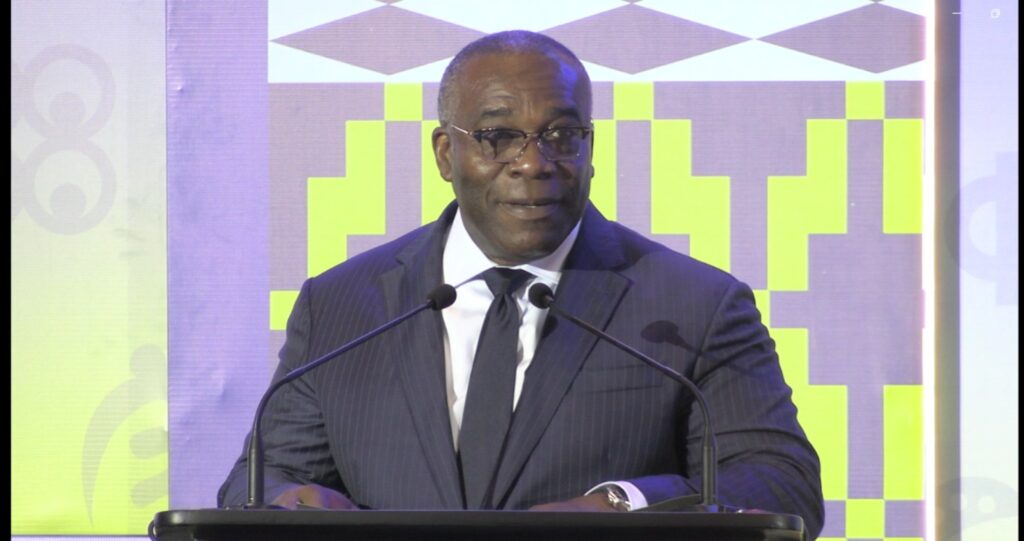
Deputy Energy Minister Richard Gyan-Mensah revealed at the African Power Pool's 60th Annual Meeting that renegotiating IPP contracts has already freed up more than $240 million in savings. These funds are being redirected toward clearing arrears and improving overall sector finances. The government is currently paying between 80 to 90% of monthly IPP obligations, with officials expressing confidence they will achieve full monthly settlements soon.
The Reform Strategy: Multiple Fronts
The government's approach addresses both immediate cash flow problems and long-term structural weaknesses. Beyond IPP renegotiations, reforms include tariff adjustments and strengthening the cash waterfall mechanism—the system that channels revenue through distribution companies to generation sources. These measures are intended to improve how money flows through the sector and ensure all stakeholders receive payment promptly.
Improved debt collection by the Electricity Company of Ghana (ECG), which serves southern regions, and the Northern Electricity Distribution Company (NEDCo) are proving critical to this strategy. When utilities collect more revenue from customers, more cash becomes available to pay generators, creating a virtuous cycle rather than the debt spiral that previously characterised the sector.
VRA Chief Executive Edward Obeng Kenzo stressed that reliable, affordable electricity is essential for Ghana's economic growth. The power sector underpins mining operations—a cornerstone of Ghana's economy—and supports small and medium-sized enterprises that drive job creation and industrial development.
Why This Matters for Ghana
Ghana's previous accumulation of IPP debts created a vicious cycle: generators couldn't invest in new capacity, the system couldn't meet demand reliably, industries faced blackouts, and customer confidence eroded. The government's current reforms attempt to break this pattern by ensuring financial discipline and predictability.
For ordinary Ghanaians, success means more stable electricity supply for homes and businesses. For industry, it signals that long-term power supply contracts are reliable again. For the government, financial sustainability in energy reduces the fiscal burden on other sectors and creates space for investment in healthcare, education and infrastructure.
However, these reforms depend on sustained commitment. Tariff increases, whilst necessary for sustainability, affect household budgets and business costs. The government will need to balance affordability with financial reality—a challenge that has previously caused political resistance to necessary reforms.
The sector's trajectory over the next 12 to 18 months will determine whether Ghana has genuinely turned a corner or whether progress stalls if political pressures mount against tariff adjustments or collection enforcement.
Source: MyJoyOnline



Comments (0)
Be the first to comment.