Major power blackout hits Accra and regional centres, raising fresh reliability concerns
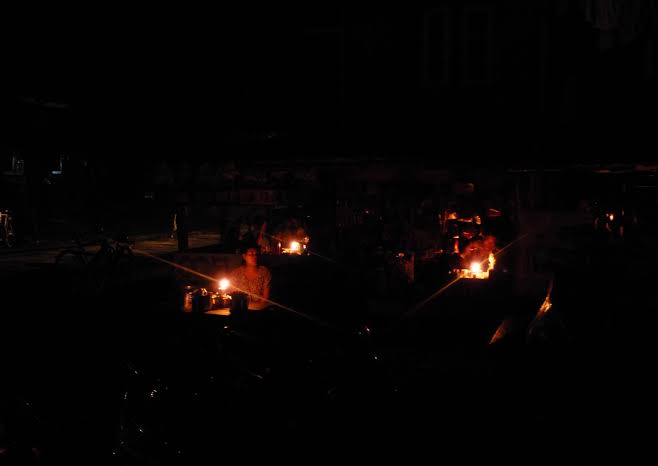
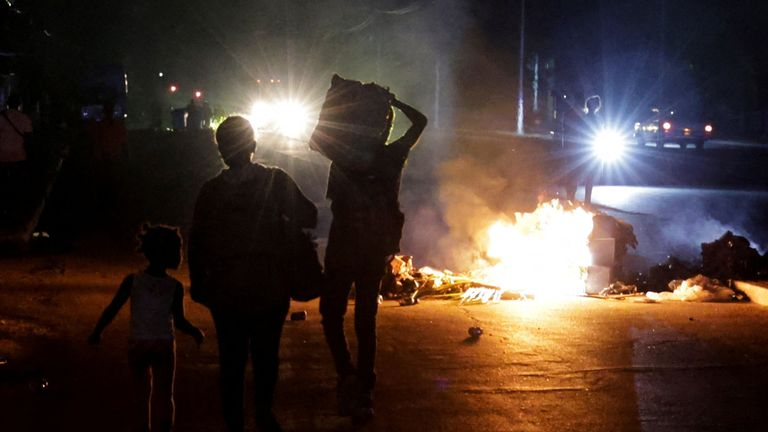
A significant power outage plunged multiple areas of Ghana into darkness in the early morning hours of Thursday, 20 August, disrupting daily activities across the capital and several regional centres. The blackout, which began around 4:15 a.m., affected numerous communities in and around Accra, including Adabraka, Weija, Tesano, Achimota, Dzorwulu, Legon, Madina, Adenta, North Kaneshie and Oyarifa. Beyond the capital, residents in parts of the Eastern, Central and Ashanti regions also reported losing electricity supply during the same period.
At the time of reporting, electricity authorities had not disclosed the underlying cause of the disruption, nor had they provided a timeline for restoring power to affected communities. This lack of transparency left thousands of residents and business owners in uncertainty, unable to plan their day or understand when normal operations would resume.
A pattern of recurring disruptions
The Thursday blackout is the second major power interruption to hit Ghana in less than a month. On 29 July, just three weeks earlier, a similarly widespread outage affected Accra, Tema, Kasoa, and parts of the Ashanti and Eastern regions. The quick recurrence of these incidents has intensified public concern about the stability and reliability of Ghana's electricity grid.
Social media platforms filled with complaints from frustrated residents and business owners who questioned why such disruptions continue to plague the national power supply. The frequency of these blackouts raises serious questions about infrastructure maintenance, grid management and the country's capacity to meet growing electricity demand without such service interruptions.
Why it matters for Ghana
Reliable electricity is fundamental to Ghana's economic development and quality of life. Repeated blackouts disrupt businesses, hospitals, schools and households across all social classes. Small traders, manufacturers and service providers lose revenue during outages. Healthcare facilities struggle to operate critical equipment. Students miss learning time when schools lack power. Households cannot refrigerate food, charge devices or conduct evening activities.
Beyond immediate inconvenience, recurring power disruptions signal broader infrastructure challenges that could affect Ghana's attractiveness to foreign investors and undermine domestic economic growth. Industries considering expansion or relocation within West Africa need assurance of stable power supply. When major blackouts become commonplace, confidence in the country's infrastructure erodes.
The pattern also raises questions about regulatory oversight and management of the Electricity Company of Ghana (ECG) and the system operators responsible for grid stability. Ghanaians deserve transparency about what causes these outages, what steps are being taken to prevent them, and what timeline exists for addressing underlying infrastructure weaknesses.
What comes next
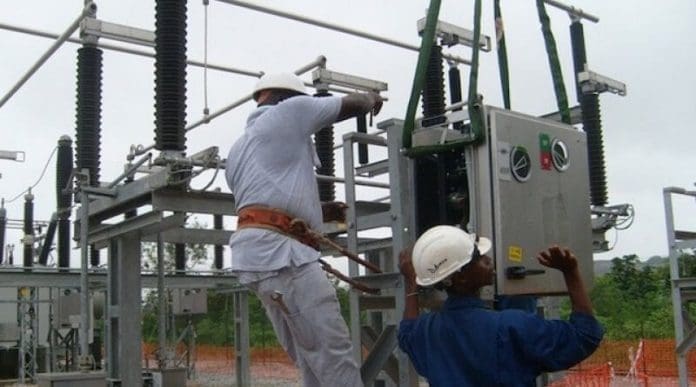
The electricity sector must move beyond reactive responses to these crises and implement preventive measures. This includes regular maintenance of transmission and distribution infrastructure, investment in grid modernisation, and clearer communication with the public about power supply challenges. Until power authorities demonstrate sustained improvement in reliability and transparency, Ghanaians will continue to view electricity supply as an unresolved national challenge requiring urgent, comprehensive solutions.
Source: MyJoyOnline

Comments (0)
Be the first to comment.