
Ghana's Creative Economy at Crossroads: US Envoy Pushes for Investment and Policy Reform


Ghana's creative economy has reached a pivotal moment. The United States Embassy, through Chargé d'Affaires Rolf Olson, is amplifying calls for substantial investment and government policy reforms to position the country's burgeoning film and media sector as a serious player in the global market—a shift that could generate significant employment and export revenue for the nation.
Speaking at the closing of the Creative Economy Summit Ghana 2026 in Accra this week, Olson highlighted how streaming platforms have democratised global entertainment consumption, allowing quality stories from any country to reach worldwide audiences. He cited Bollywood and Nollywood as proof that African and Asian creative industries, once marginalised, can dominate international markets through excellence and investment.
What Ghana Must Do Now
The diplomat's message was unambiguous: Ghana cannot rely on talent alone. Three pillars must be strengthened simultaneously. First, government must tighten intellectual property laws to ensure Ghanaian creators retain ownership and profits from their work. Second, taxation and production financing policies need overhaul to make Ghana an attractive hub for both local and international investors. Third, contract enforcement must be robust enough to give foreign companies confidence in partnering with Ghanaian producers.
The US Embassy has already demonstrated commitment by bringing accomplished American film professionals—including director Rochelle Ramis and producers Aaron Rashad Thomas and Paul Garns—to lead masterclasses and directing laboratories over the past two weeks. This kind of knowledge transfer is critical; Ghanaian creatives gain exposure to international best practices whilst establishing networks that could facilitate future collaborations and funding.
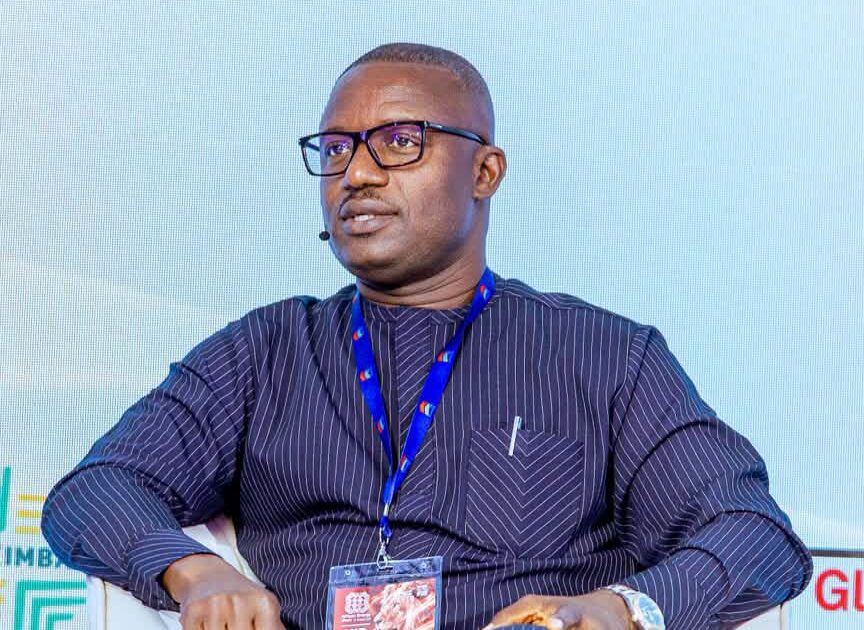
Kofi Okyere Darko, Director of Diaspora Affairs at the Office of the President, reinforced this multi-stakeholder approach. The creative economy, he argued, can no longer be championed by filmmakers and musicians alone. Technology firms, financial institutions, government agencies and international investors must all play active roles in building infrastructure and financing mechanisms that transform creativity into scalable business.
Why This Matters for Ghana
Ghana's creative sector already generates substantial informal revenue through music, film and digital content, but much of that value leaks abroad because local infrastructure is underdeveloped. A coordinated push to formalise the industry, protect intellectual property and attract investment could unlock millions in export earnings and create thousands of high-skilled jobs—particularly for young people in urban centres.
Countries like Nigeria have demonstrated the economic potential: Nollywood now contributes billions annually to Nigeria's GDP and employs tens of thousands directly and indirectly. Ghana possesses comparable talent but has lagged in creating the institutional scaffolding—proper financing mechanisms, tax incentives, production facilities and regulatory clarity—that allows talent to scale into industry.
Additionally, a thriving Ghanaian creative sector strengthens the nation's soft power and cultural influence across Africa and the diaspora. Stories produced in Ghana can shape how the country is perceived globally, attracting tourism, foreign investment and cultural partnerships.
The Road Ahead
Summit curator Dorina Amina Abubakar emphasised that the initiative seeks to build long-term partnerships and strengthen business models, not merely showcase individual talents. This signals a maturation in how Ghana's creative community thinks about sustainability and scale.
The ball is now in government's court. Policy reforms on taxation, IP protection and production incentives must follow quickly if Ghana is to capitalise on this momentum and compete with Nigeria, Kenya and South Africa for regional creative leadership.
Source: The Ghanaian Times




Comments (0)
Be the first to comment.