
Ghana's Courts Crumbling While Leadership Prioritises Ceremonial Visits, Critic Argues
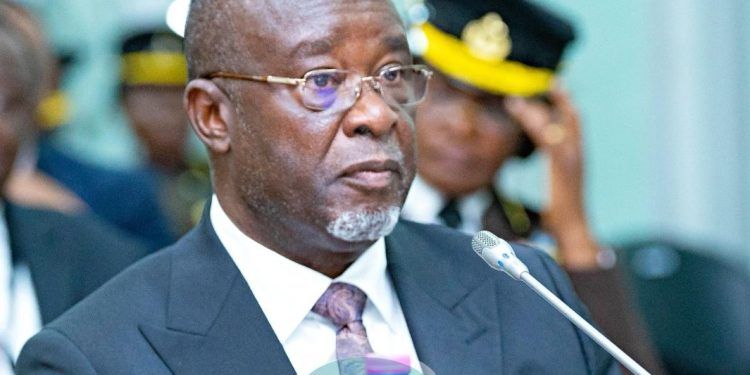

Ghana's judicial infrastructure is facing serious criticism over its neglected physical state, with allegations that the country's top judicial officer is sidelining urgent maintenance and repair needs in favour of ceremonial engagements at government institutions.
Haruna Mohammed has raised concerns that whilst numerous courthouses remain in deplorable conditions—potentially affecting the delivery of justice—the Chief Justice appears focused on attending official visits to state organisations rather than tackling the infrastructure crisis within the judiciary itself.
The State of Ghana's Courts
Court facilities across Ghana have long been a subject of concern. Many courthouses, particularly in regional and district capitals, suffer from poor maintenance, inadequate facilities, and structural issues that impact both judicial officers and the public accessing the justice system. These conditions can lead to delayed trials, discomfort for litigants, and an unprofessional environment that undermines public confidence in the courts.
The criticism suggests a disconnect between what is being prioritised at the highest levels of judicial leadership and the ground-level realities faced by courts attempting to function with limited resources and deteriorating infrastructure. Basic issues such as roof repairs, adequate seating, functional utilities, and security concerns reportedly persist unaddressed.
Why It Matters for Ghana
The state of Ghana's courts directly affects every citizen's access to justice. When courtrooms are poorly maintained, cases can be delayed, trials disrupted, and the entire judicial process undermined. For a nation committed to the rule of law and constitutional democracy, functional, dignified court facilities are fundamental.
The criticism also raises questions about resource allocation and priorities within the judiciary. Ghana's judicial system is already under pressure from case backlogs, staffing shortages, and budget constraints. Whether leadership is adequately focused on addressing these systemic challenges becomes crucial when infrastructure falls into disrepair.
Citizens in regional areas may be particularly affected, as they often travel significant distances to access courts only to find inadequate facilities. This compounds already difficult circumstances for those pursuing justice through the legal system.
The Broader Challenge
This criticism is part of a wider conversation about judicial independence and the adequacy of resources allocated to Ghana's courts. The judiciary's ability to function effectively depends on both legal autonomy and practical support—including proper facilities and infrastructure.
Addressing court infrastructure requires sustained investment and attention at leadership level. Whether through budget advocacy, donor partnerships, or administrative prioritisation, tackling the physical state of courts is essential for maintaining public confidence in the justice system and ensuring that all Ghanaians—regardless of location—can access courts that reflect the dignity of the law.
Source: 3News



Comments (0)
Be the first to comment.