Ghana's Construction Cost Inflation Plummets to 4% in 2026, Signalling Relief for Developers
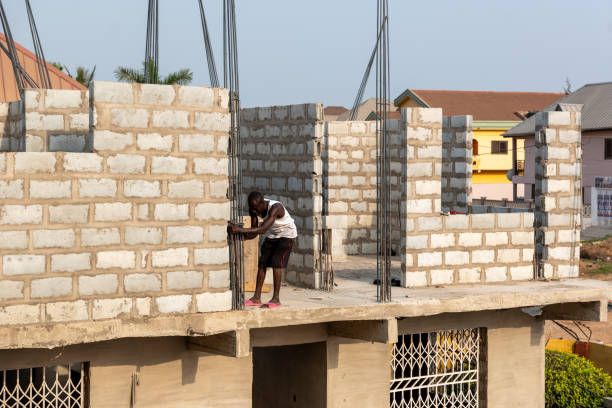
Ghana's construction industry is experiencing a significant shift as building input cost inflation has plunged from 14.2% in 2025 to 4% in 2026, according to Ghana's Government Statistician. This substantial drop represents a major turnaround for developers and construction firms who have struggled with rising material costs over the past year.
The latest data reveals that between June and July 2026, building input prices increased marginally by just 0.3%, suggesting the sector may finally be stabilising after prolonged inflationary pressures. This moderation comes at a critical time when Ghana's construction industry has been grappling with supply chain disruptions and volatile material pricing.
What's Driving the Shift?
The dramatic reduction in building cost inflation reflects improved market conditions for construction materials. Stabilised commodity prices, better supply chain management, and possibly increased competition among suppliers appear to be contributing factors. The monthly increment of 0.3% between June and July suggests a more predictable pricing environment emerging for builders and contractors.
For property developers and construction companies operating across Ghana, this development could translate into more manageable project budgets and improved profit margins. The construction sector, which has been a cornerstone of Ghana's infrastructure development, has faced considerable headwinds with clients and contractors deferring projects due to inflated costs.
Why This Matters for Ghana
A cooling construction cost inflation has several implications for Ghana's economy and citizens. Firstly, it could spur renewed investment in residential, commercial and industrial projects that were shelved or postponed during the high-inflation period. This revival would create employment opportunities across the construction value chain—from skilled tradespeople to material suppliers.
Secondly, for ordinary Ghanaians seeking to build homes or invest in property, the slowdown in building costs means construction projects may become more affordable. Property developers may pass on savings through competitive pricing, making homeownership and commercial real estate more accessible.
Thirdly, the government's infrastructure agenda could benefit significantly. Public sector construction projects funded through the national budget face tighter constraints when input costs are high. The 70% reduction in inflation rates creates breathing room for executing planned infrastructure developments—from roads and schools to healthcare facilities.
The stability in monthly price movements also provides greater certainty for long-term project planning. Contractors can now forecast costs more accurately, enabling them to submit competitive bids without excessive contingency buffers to cushion against unpredictable price swings.
Looking Ahead
While the downward trend is encouraging, stakeholders will be monitoring closely whether this moderation is sustained or temporary. The construction industry requires consistent pricing signals to make confident investment decisions. Continued vigilance on global commodity prices, exchange rates and local supply dynamics will be essential, as these factors can quickly reverse the gains achieved so far.
Government and industry players will likely welcome this development as the economy continues its recovery trajectory, with improved construction cost conditions potentially becoming a catalyst for broader economic growth across the sector.
Source: 3News




Comments (0)
Be the first to comment.