Ghana's Cocoa Legacy Needs a World-Class Museum, Industry Leaders Say

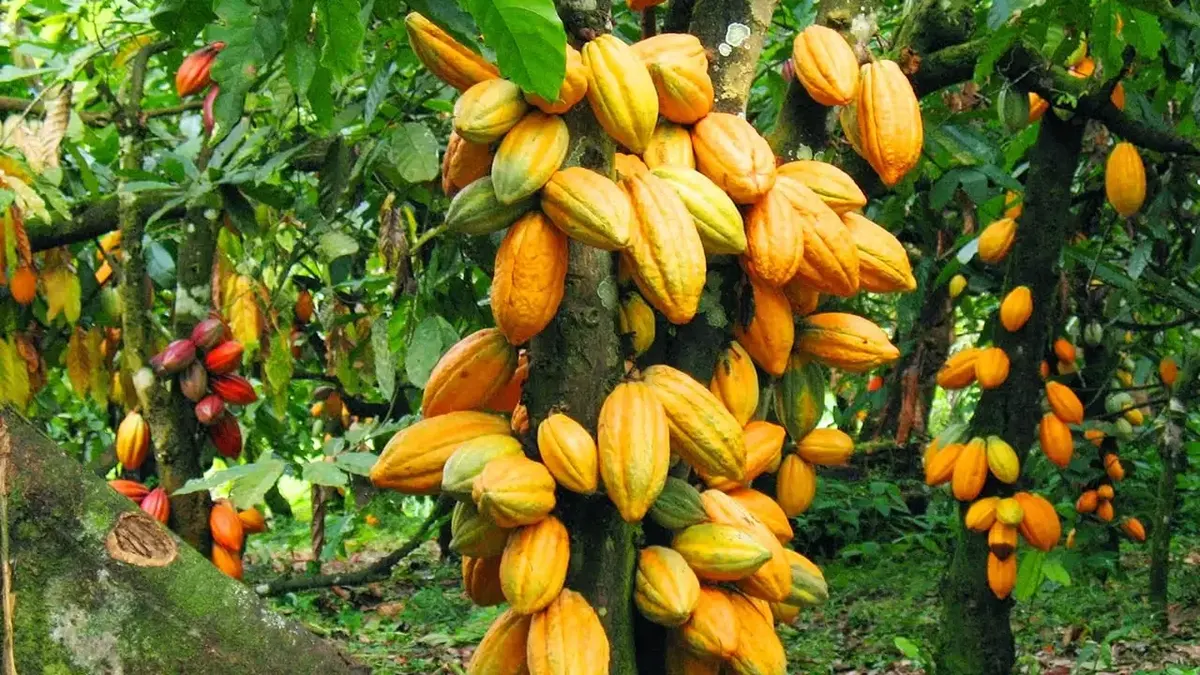
Ghana's cocoa industry has issued a clarion call for the establishment of an ultra-modern museum and heritage centre in Western North region, arguing that such a facility is essential to documenting and preserving the rich history of the crop that has shaped the nation's economy and identity for over a century.
The Ghana Tourism Authority (GTA) has championed this initiative, emphasising that a dedicated museum would serve as both a cultural repository and a significant tourist attraction. The proposed facility would go beyond traditional exhibition spaces to become a comprehensive centre that tells the complete story of Ghanaian cocoa—from its introduction to the Gold Coast through to its current status as one of the world's leading cocoa-producing nations.
What the Museum Would Showcase
According to the GTA's vision, the heritage centre would preserve and display the history, heritage, technology and human interest stories connected to cocoa cultivation and trade. This encompasses the evolution of farming techniques, the role of cocoa farmers in nation-building, colonial-era commerce, post-independence agricultural policies, and the lived experiences of cocoa-farming communities across generations.
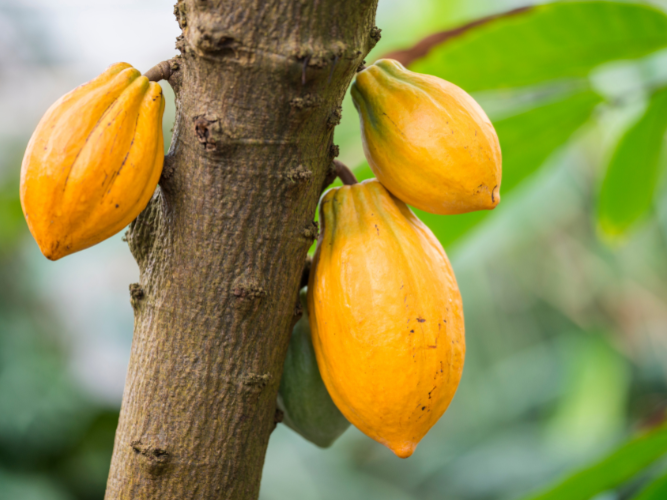
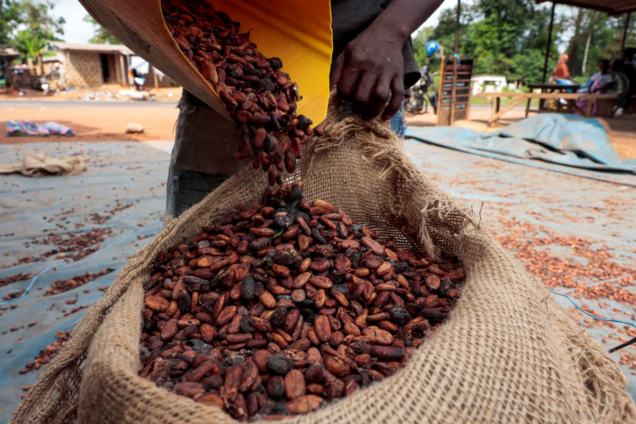
Such a facility would create space for interactive exhibits demonstrating traditional and modern processing methods, the journey from pod to finished chocolate product, and the economic significance of cocoa to Ghana's development. Personal narratives and archival materials would humanise the industry, moving beyond dry economic statistics to celebrate the millions of Ghanaians who have worked in cocoa production.
Why It Matters for Ghana
Cocoa remains central to Ghana's economy and global reputation. The country produces approximately 20 per cent of the world's cocoa supply and the sector employs millions directly and indirectly. However, this contribution is often taken for granted domestically, with younger generations having limited awareness of cocoa's historical importance or the innovations their predecessors developed.
Western North region—home to major cocoa-producing areas including parts of the traditional Ashanti and Brong Ahafo zones—is the logical location for such a centre. The region's deep roots in cocoa farming since the late 19th century make it an authentic and meaningful setting.
Beyond cultural preservation, a world-class museum would strengthen Ghana's tourism offering. Nations like Côte d'Ivoire and Indonesia have recognised cocoa heritage as a draw for visitors, and Ghana stands to gain significantly from similar infrastructure. Educational value is equally important; students, researchers and international visitors would gain insights into one of Africa's most significant agricultural success stories.
A modern heritage centre would also provide economic opportunities for local communities through employment, training programmes, and ancillary business development. It could become a hub for agricultural innovation discussions and a venue for conferences addressing challenges in the cocoa sector, such as climate change adaptation, pest management and sustainable farming practices.
The GTA's push for this project reflects growing recognition that preserving institutional and cultural memory is as important as managing present production. As global demand for traceable, ethically-sourced cocoa increases, Ghana's ability to tell its cocoa story authoritatively becomes a competitive advantage in premium markets.
Source: 3News

Comments (0)
Be the first to comment.