Ghana's cocoa farmers face pricing overhaul as Parliament debates reforms bill
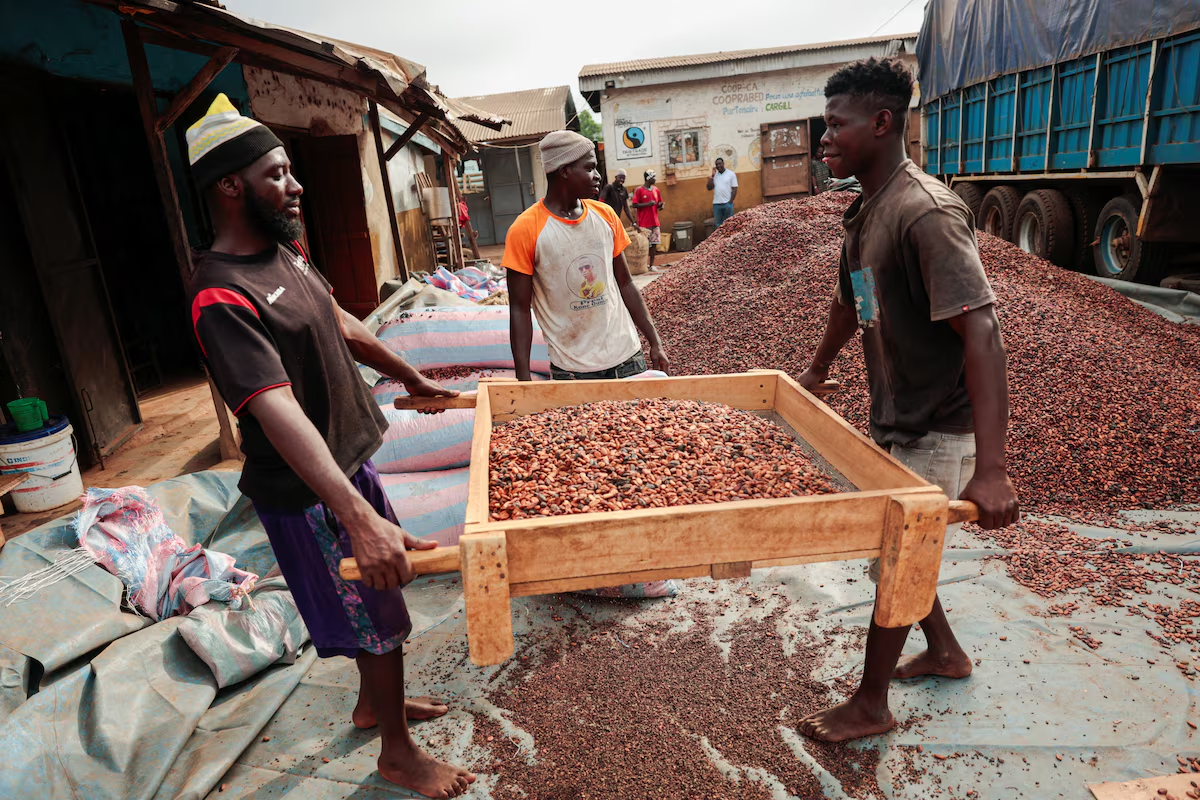
Ghana's cocoa sector faces a significant shake-up that could fundamentally alter how farmers are paid, with opposition lawmakers raising alarm over proposed reforms that would eliminate the guaranteed minimum farm gate price system that has underpinned the industry for decades.
Kojo Oppong Nkrumah, Ranking Member on Parliament's Economy and Development Committee, has cautioned that the proposed Cocoa Board Reforms Bill threatens to destabilise the livelihoods of hundreds of thousands of farmers across Ghana's cocoa-growing regions. Speaking on JoyNews' PM Express, the Ofoase Ayirebi MP warned that if passed in its current form, the legislation would replace the traditional guaranteed pricing model with a fluctuating mechanism that leaves farmers exposed to global market volatility.
The guaranteed price system and why farmers depend on it
Since colonial times, Ghana's cocoa farmers have relied on a minimum guarantee farm gate price announced at the start of each growing season. This predictability has been central to the industry's stability, allowing farmers to plan investments in production, maintenance and household expenses with confidence. Under the current system, even if global cocoa prices collapse, farmers know they will receive a floor price set by authorities.
The Cocoa Board Reforms Bill proposes replacing this with a pricing formula based on FOB (Free on Board) export prices, with farmers receiving approximately 70 per cent of international benchmark rates. Oppong Nkrumah argues this shifts all market risk onto producers, particularly smallholder farmers who lack the financial buffers of larger operations.
Why it matters for Ghana
Cocoa is Ghana's second-largest export after gold, generating billions of cedis annually and supporting roughly two million farming households. The sector employs vast supply chains—from traders to processors to exporters—making pricing policy a matter of national economic importance. A destabilised cocoa industry risks lower production, rural migration, and reduced export earnings at a time when Ghana's macroeconomic position is fragile.
The controversy reflects a broader tension between efficiency-focused reforms and farmer protection. Proponents of the bill may argue that tying prices too rigidly to state budgets creates unsustainable fiscal liabilities and prevents Ghana's cocoa sector from competing efficiently. Critics counter that removing guarantees in a sector dominated by smallholders with limited market power will only deepen rural poverty.
The parliamentary standoff
The Minority bloc in Parliament has successfully blocked an attempt to fast-track the bill under a certificate of urgency, demanding wider consultation. Oppong Nkrumah highlighted the precedent of a previous Cabinet decision to cut cocoa prices by 30 per cent, which devastated farming communities across the country. He argued that such consequential decisions require thorough stakeholder engagement, not rushed parliamentary procedure.
He called for direct consultations with cocoa farmers before any final vote, emphasising that their voices must shape legislation affecting their futures. The Minority has indicated negotiations are ongoing and further submissions on the bill are forthcoming.
For Ghana's cocoa farmers—many of them ageing smallholders with limited alternative livelihoods—the outcome of this parliamentary debate will directly determine their economic security in coming years.
Source: MyJoyOnline


Comments (0)
Be the first to comment.