Ghana's cocaine crisis deepens: 11 major busts reveal alarming shift from transit hub to consumer market
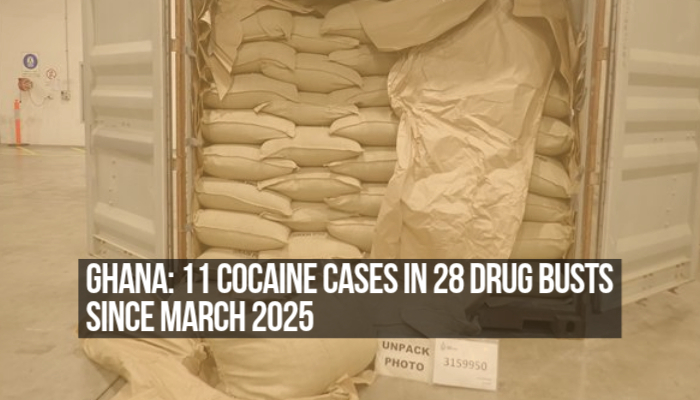
Ghana's struggle with cocaine trafficking has intensified sharply over the past 18 months, with national authorities and international partners uncovering 11 major cocaine cases as part of 28 total drug busts since March 2025. The alarming pattern reveals not just Ghana's continued role as a transit point for South American narcotics destined for Europe, but an emerging crisis of domestic consumption that security officials now openly acknowledge.
A comprehensive analysis of seizures by the National Narcotics Control Bureau (NACOC), National Intelligence Bureau, Ghana Police Service and foreign authorities shows cocaine valued between $1.3 billion and $1.7 billion has been intercepted. Yet the data tells a troubling story: while seven cocaine cases were busted on Ghanaian soil, the quantities seized abroad dwarf domestic captures. European ports—Amsterdam, Antwerp and Dunkirk—have intercepted approximately 12.4 tonnes compared to just 3.6 tonnes recovered domestically. This three-to-one ratio underscores traffickers' ability to move bulk shipments through Ghana's ports with relative ease.
The record busts and trafficking routes
The June 2025 interception of nearly 4,500 kilogrammes hidden in a wood shipment at Amsterdam's port marked the largest seizure ever recorded there. Months later, Antwerp customs discovered 2,829 kg concealed in cassava flour from Tema port in November, followed by a further 1,158 kg in December. Most recently, French authorities at Dunkirk seized approximately 3.9 tonnes in September 2026 in a container falsely declared as plastic waste, valued at €225 million.
Within Ghana, the largest domestic seizure remains the 3,319.68 kg buried under sand in a tipper truck at Pedu Junction, Cape Coast, in March 2025—valued at over $350 million by the National Intelligence Bureau. What makes these seizures significant is their revelation of trafficking sophistication: cocaine is being chemically treated to evade detection, hidden in food products like gari and cassava flour, and routed through commercial shipping channels.
Kotoka International Airport has also emerged as a critical interception point. In April 2025, officers seized 89.74 kg in 73 cocaine slabs bound for the Netherlands. Subsequent airport discoveries in February and August 2026 suggest traffickers are adapting methods, concealing shipments in everyday packaged foods destined for export.
Why it matters for Ghana
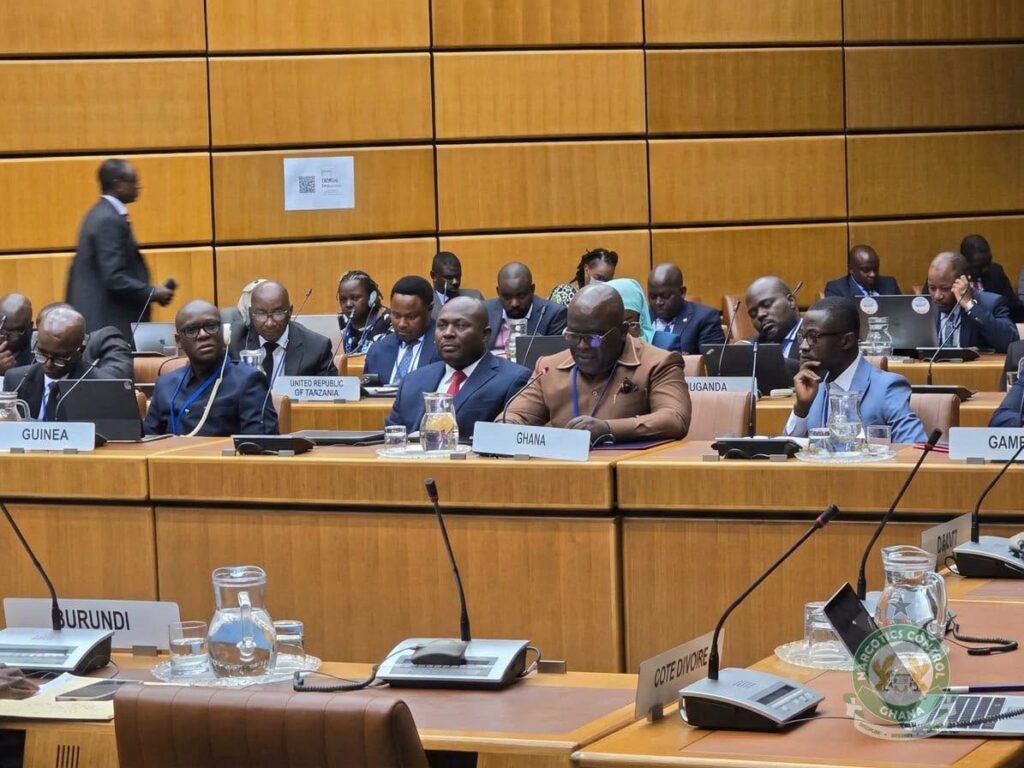
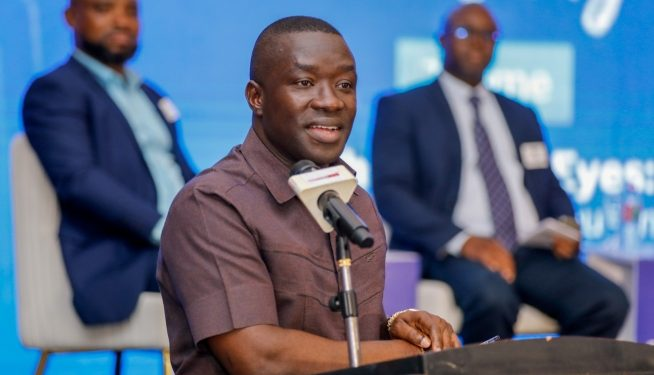
The implications for Ghana are severe and multifaceted. First, the country faces reputational damage internationally as a cocaine hub, which threatens legitimate trade and investment. Second, and more urgently, NACOC's Director-General Brigadier General Maxwell Obuba Mantey disclosed in May 2025 that Ghana is no longer merely a transit corridor but now contends with rising local consumption. Drug-related arrests surged 197 per cent in 2025 alone, signalling addiction rates climbing among Ghanaian youth and communities.
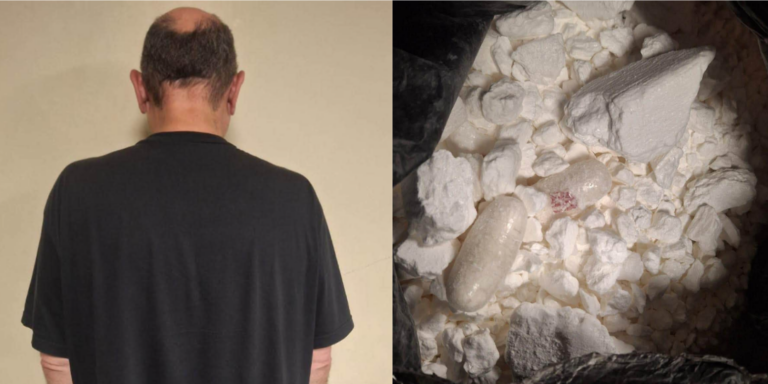
The involvement of state actors compounds the crisis. In the Dunkirk seizure, ten people are being held including four Customs Division officers of the Ghana Revenue Authority, raising alarming questions about institutional compromise. Though NACOC denies any suspects were presidential security detail members, the arrests suggest corruption within border control apparatus that traffickers exploit systematically.
Notably, no one has yet been convicted in connection with any major cocaine seizures—a critical failure that undermines deterrence. With cases stalled in courts and investigations ongoing, traffickers operate with limited fear of prosecution, emboldening further shipments.
The broader pattern: methamphetamine and heroin
Cocaine is not Ghana's only drug trafficking concern. In April 2026, Australian police seized 320 kg of methamphetamine concealed in charcoal from Ghana, valued at A$296 million. Heroin couriers have also been arrested at regional airports, including a South African woman detained at Johannesburg's OR Tambo Airport in September 2026, the third suspected courier from Accra in three weeks.
This diversification of drug types and trafficking routes suggests organised criminal networks are embedding themselves deeper into Ghana's maritime and air infrastructure, using the country not just for transit but as a production and distribution staging ground.
Source: MyJoyOnline

Comments (0)
Be the first to comment.